Author: Ren Rose

  • Pan-Seared Salmon: A Light & Fresh Spring Meal

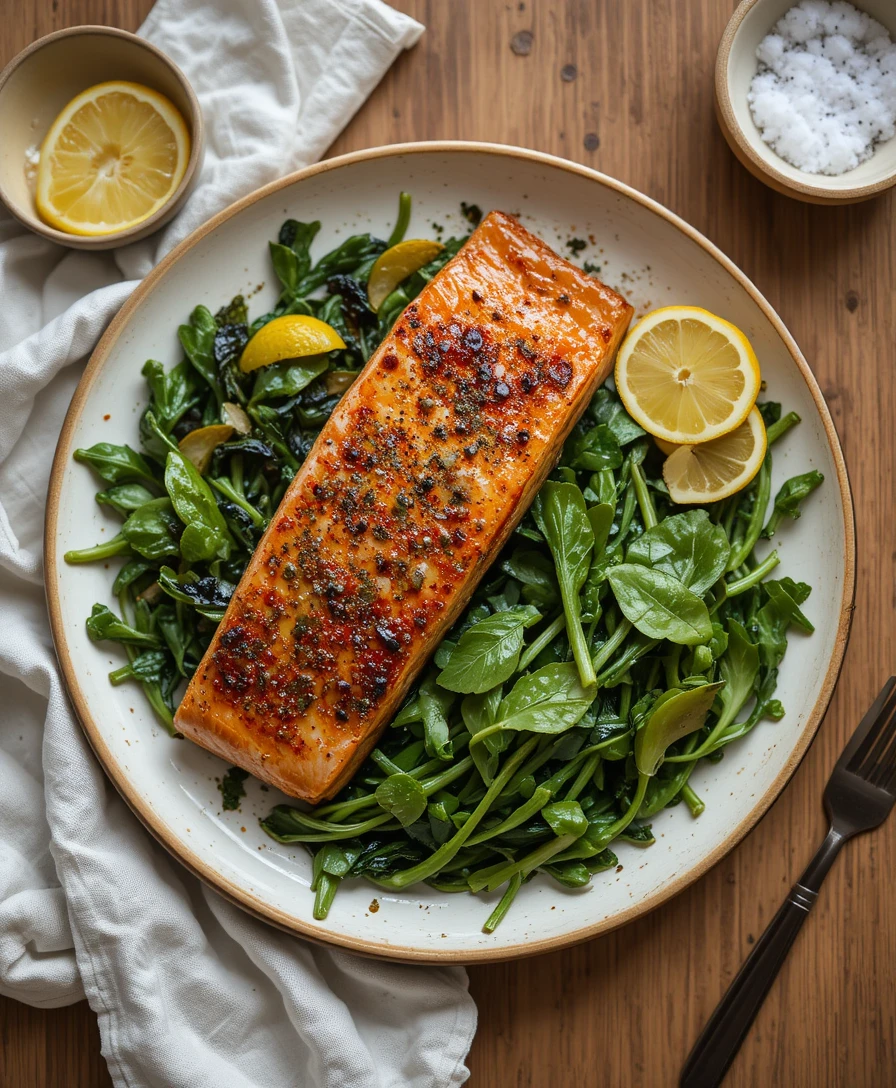
    Pan-Seared Salmon: A Light & Fresh Spring Meal

    As spring settles in, meals begin to feel lighter.

    We move away from heavy winter dishes and start craving food that feels fresh, simple, and nourishing. Pan-seared salmon is one of those perfect in-between meals – warm but not heavy, comforting yet bright.

    Served with tender greens, new potatoes, or a crisp lemon vinaigrette salad, it feels elegant enough for a weekend lunch and simple enough for a midweek supper.

    It’s the kind of dish you make with the kitchen window slightly open, sunlight pouring across the counters, and a jug of fresh water on the table.

    Why Salmon Feels Perfect in Spring

    Spring cooking often leans into:

    • Fresh herbs
    • Citrus flavours
    • Seasonal greens
    • Lighter proteins
    • Simple, clean ingredients

    Salmon pairs beautifully with all of these. Its richness balances sharp lemon, delicate herbs, and crisp vegetables without overpowering them.

    It’s nourishing, satisfying, and quietly elegant.
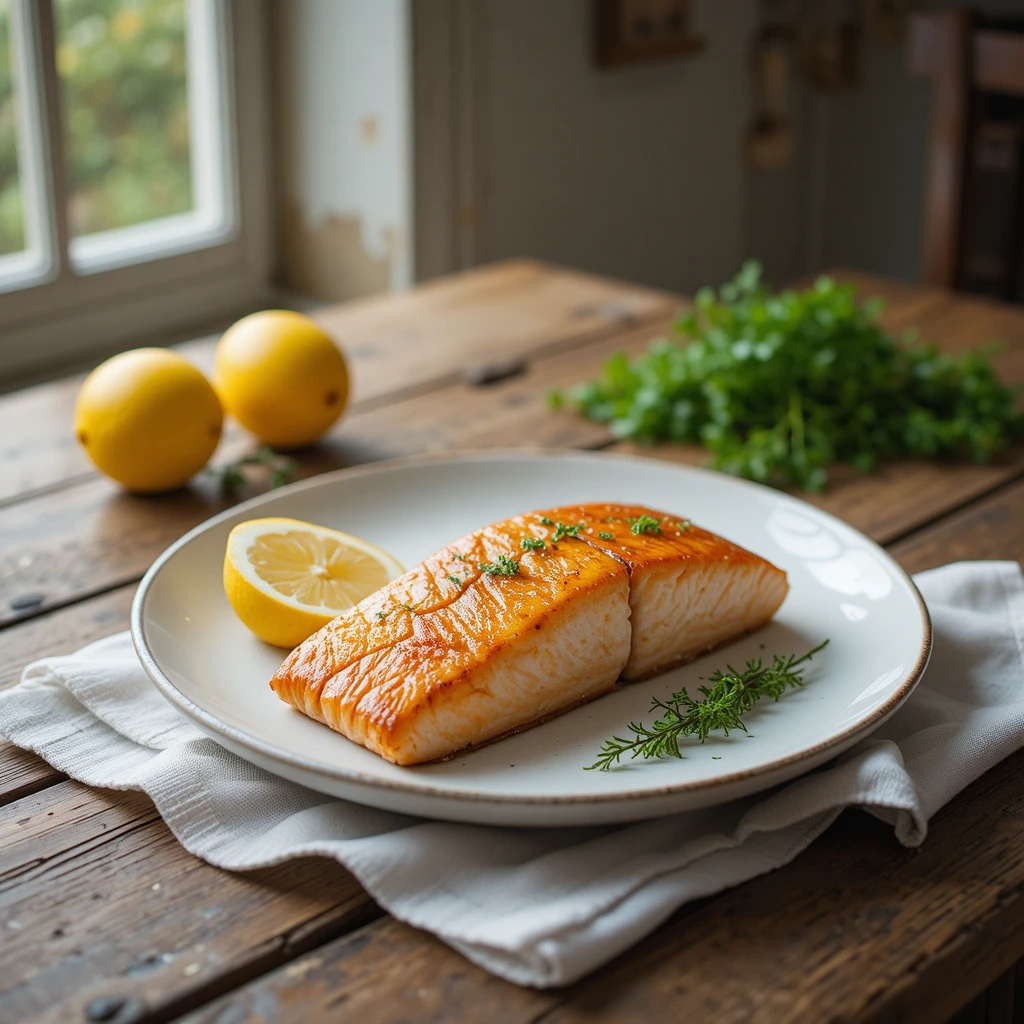
    Pan-Seared Salmon Recipe (serves: 2)

    Prep time: 5 minutes

    Cook time: 8–10 minutes

    Ingredients

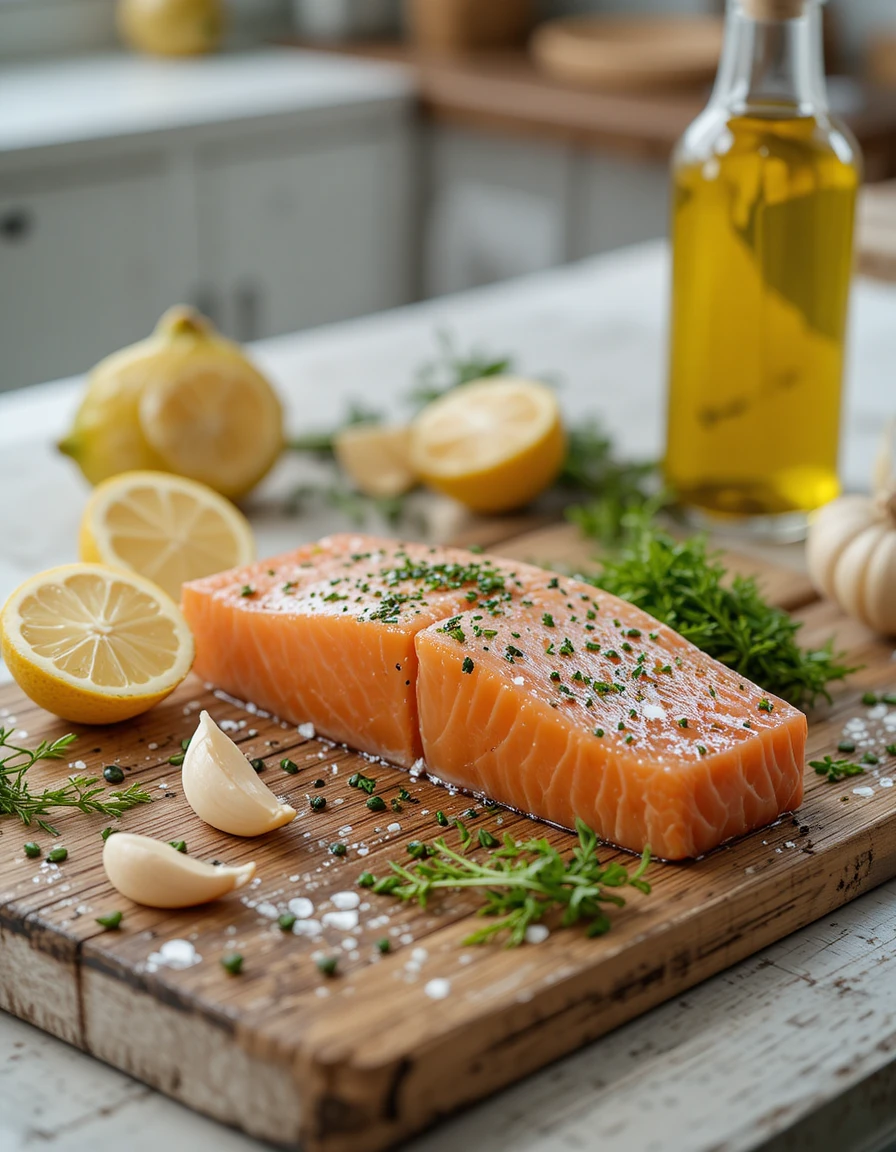
    • 2 fresh salmon fillets (skin on)
    • 1 tablespoon olive oil
    • 1 tablespoon butter
    • Salt, to taste
    • Freshly ground black pepper
    • ½ lemon
    • Small handful fresh parsley or dill, finely chopped
    • Optional: 1 small garlic clove, lightly crushed

    Recipe

    Step 1: Prepare the salmon

    Pat the salmon fillets dry with kitchen paper. This helps create a crisp golden skin.

    Season both sides lightly with salt and black pepper.

    Step 2: Heat the pan

    Place a frying pan over medium-high heat. Add the olive oil and allow it to heat until shimmering.

    Step 3: Cook skin-side down

    Place the salmon fillets skin-side down in the pan. Press gently with a spatula for the first 10 seconds to prevent curling.

    Cook for 4–5 minutes without moving them. The skin should become crisp and golden.

    Step 4: Flip and finish

    Turn the salmon carefully. Add the butter (and garlic if using) to the pan.

    Cook for a further 2–4 minutes, spooning the melted butter over the top as it finishes cooking.

    The centre should be just opaque and flake easily with a fork.

    Step 5: Finish with freshness

    Remove from heat. Squeeze fresh lemon juice over the top and sprinkle with chopped herbs.

    Let rest for a minute before serving.

    How to Serve Pan-Seared Salmon in Spring

    This dish pairs beautifully with light seasonal sides. You might serve it with:

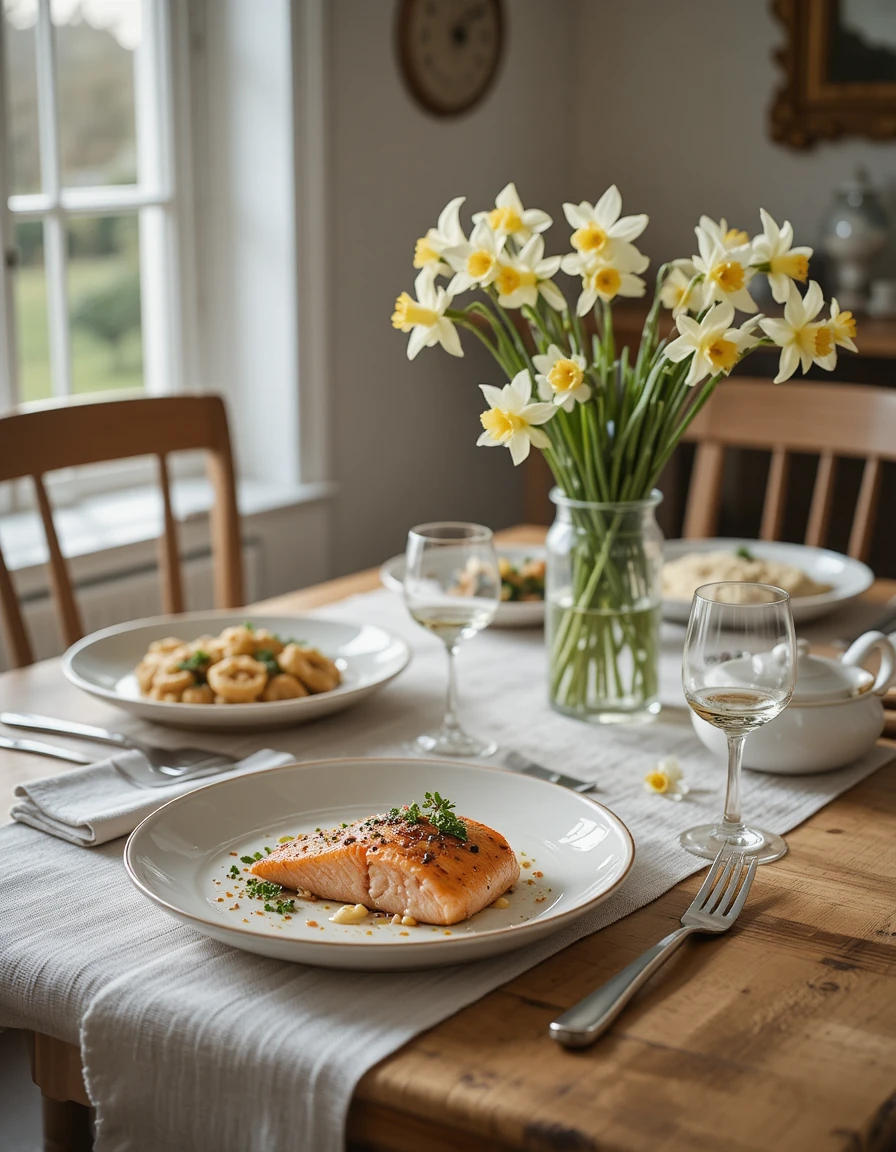
    For a softer, countryside table setting, serve on white ceramic plates with fresh herbs scattered loosely and lemon wedges on the side.

    It works equally well for:

    • A slow Sunday lunch
    • A light spring dinner
    • A small garden gathering
    • A quiet midweek reset meal

    How to Use Leftover Salmon

    Leftover salmon keeps beautifully in the fridge for up to 2 days and can transform into effortless next-day meals.

    Here are a few gentle ideas:

    • Salmon & Herb Salad
    • Salmon & Cream Cheese Sandwich
    • Salmon & Cream Cheese Sandwich
    • Salmon Brunch
    • Salmon Grain Bowl
    • Light Salmon Pasta

    Gentle Variations

    To adapt this for different spring moods:

    • Add a honey-mustard glaze before finishing
    • Serve with a spoonful of Greek yoghurt mixed with lemon zest
    • Add capers for brightness
    • Finish with crushed pink peppercorns
    • Pair with a chilled elderflower spritzer

    A Simple Spring Reminder

    Spring meals don’t need to be complicated.

    Sometimes the most satisfying dishes are the simplest – fresh ingredients, cooked well, served thoughtfully.

    Pan-seared salmon feels like a celebration of the season without trying too hard. Light. Clean. Comforting. Nourishing.

    A quiet kind of luxury.
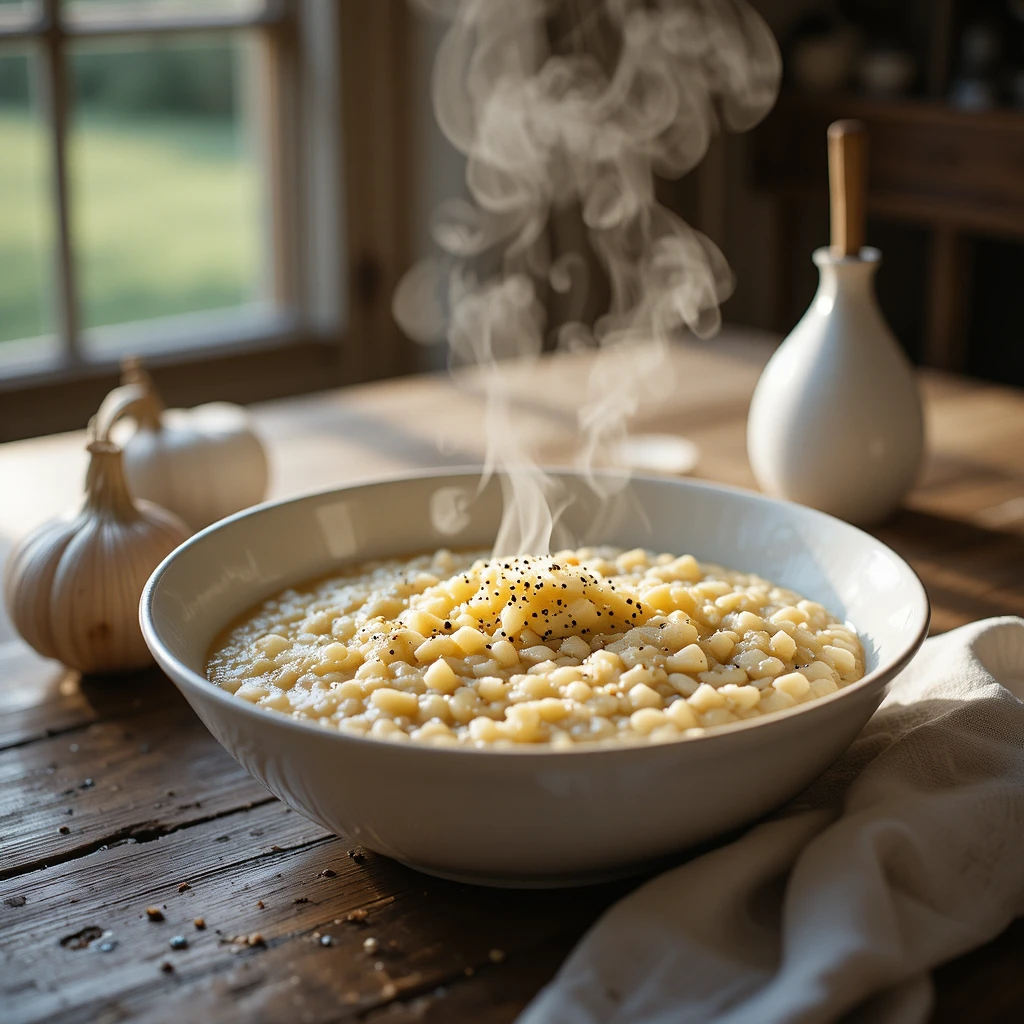
  • Creamy Garlic Risotto: A Soft & Comforting Spring Dinner

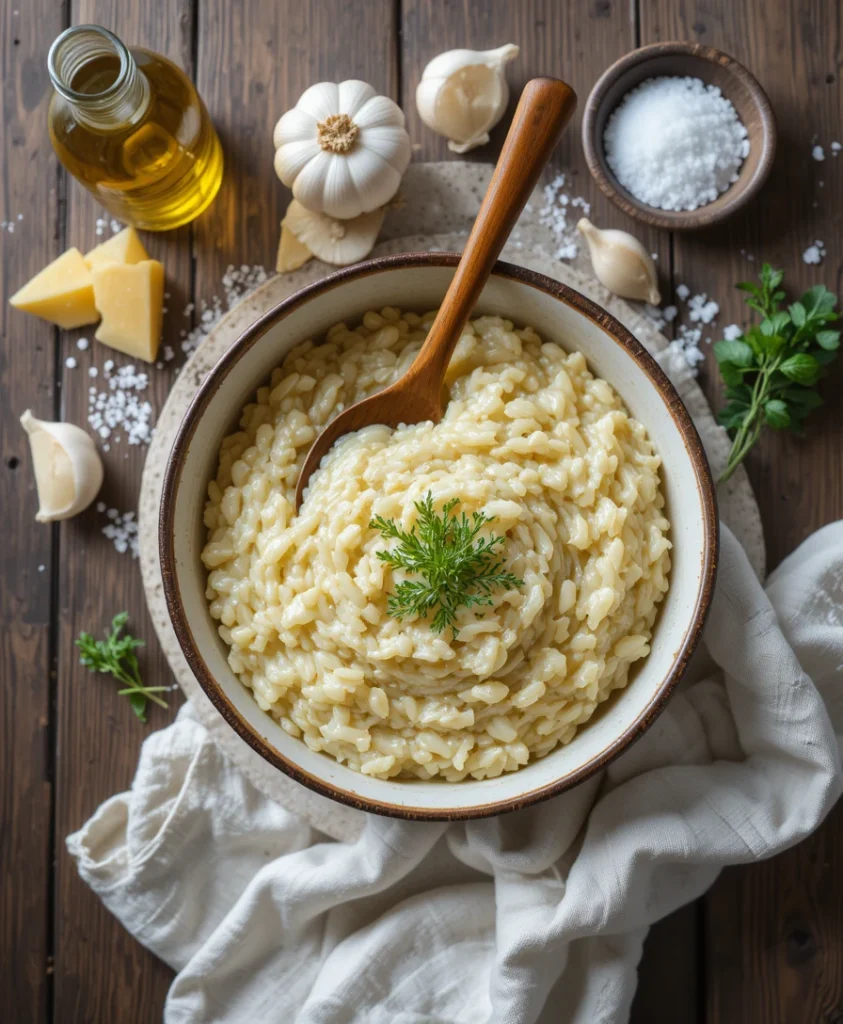
    Creamy Garlic Risotto: A Soft & Comforting Spring Dinner

    As the evenings grow lighter but still carry a little chill, dinner calls for something warm yet not too heavy.

    Creamy garlic risotto sits beautifully in this space between seasons. It’s comforting without feeling winter-rich. Soft, silky rice infused with gentle garlic, finished with parmesan and a squeeze of lemon – simple ingredients turned into something quietly elegant.

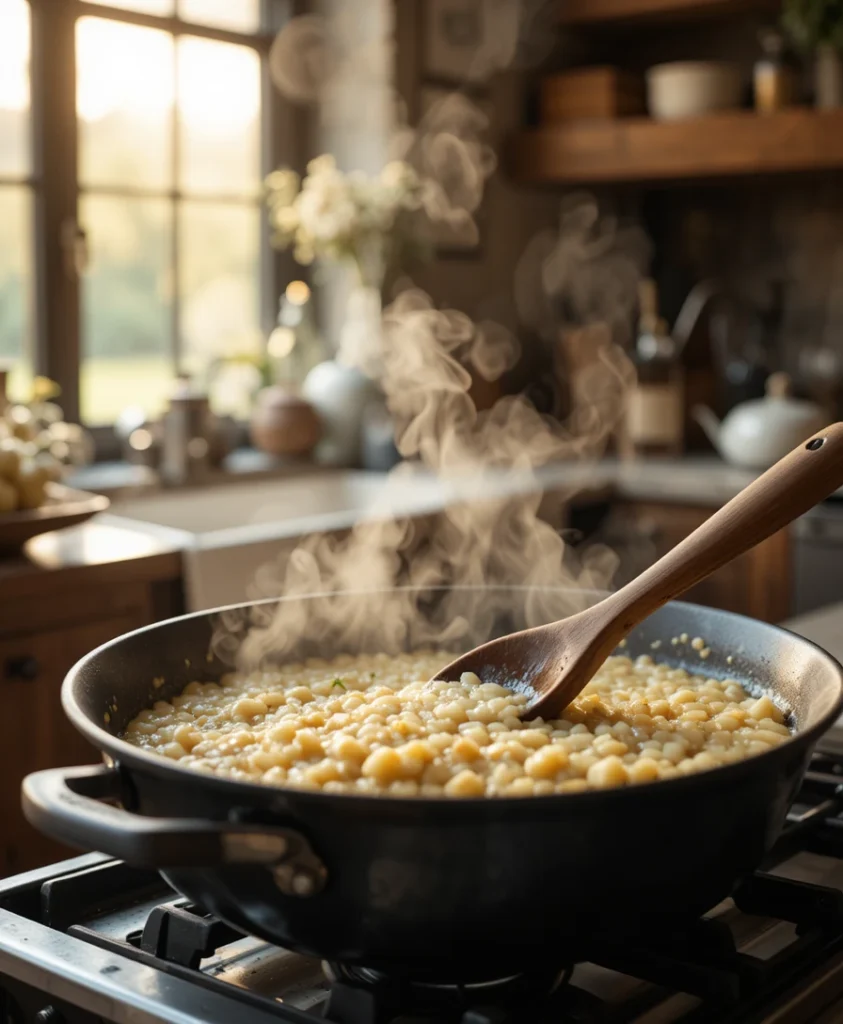
    It’s the kind of meal you stir slowly at the stove while the kitchen windows are slightly open, birds settling outside, daylight stretching just a little longer.

    A spring supper that feels both grounding and fresh.

    Why Risotto Works So Well in Spring

    Spring cooking often means:

    • Lightened comfort food
    • Simple seasonal ingredients
    • Gentle herbs
    • Subtle citrus brightness
    • Meals that feel cosy but not heavy

    Risotto offers warmth without heaviness. When balanced with garlic, fresh herbs, and a hint of lemon, it feels like the perfect bridge between winter comfort and summer freshness.

    Creamy Garlic Risotto Recipe (Serves: 2–3)

    Prep time: 5 minutes

    Cook time: 25–30 minutes

    Ingredients

    • 200g arborio rice
    • 1 litre hot vegetable stock
    • 1 small onion, finely diced
    • 2 garlic cloves, finely minced
    • 1 tablespoon olive oil
    • 1 tablespoon butter
    • 50g grated parmesan
    • Salt and freshly ground black pepper
    • Squeeze of fresh lemon juice
    • Small handful fresh parsley, finely chopped

    Optional additions:

    • Splash of white wine (about 60ml)
    • 2 tablespoons crème fraîche for extra creaminess
    • Handful of fresh spinach

    Recipe

    Step 1: Warm the stock

    Keep your vegetable stock gently simmering in a saucepan nearby. Adding warm stock helps the rice cook evenly.

    Step 2: Soften the base

    In a wide pan, heat the olive oil and butter over medium heat.
    Add the onion and cook gently for 3–4 minutes until soft and translucent.

    Add the garlic and cook for another 30 seconds until fragrant.

    Step 3: Toast the rice

    Stir in the arborio rice and cook for 1–2 minutes, allowing it to lightly toast and absorb the flavours.

    If using white wine, add it now and allow it to cook off gently.

    Step 4: Add stock gradually

    Add one ladle of warm stock to the rice, stirring gently until mostly absorbed.

    Continue adding stock gradually, stirring frequently. This process should take around 20–25 minutes.

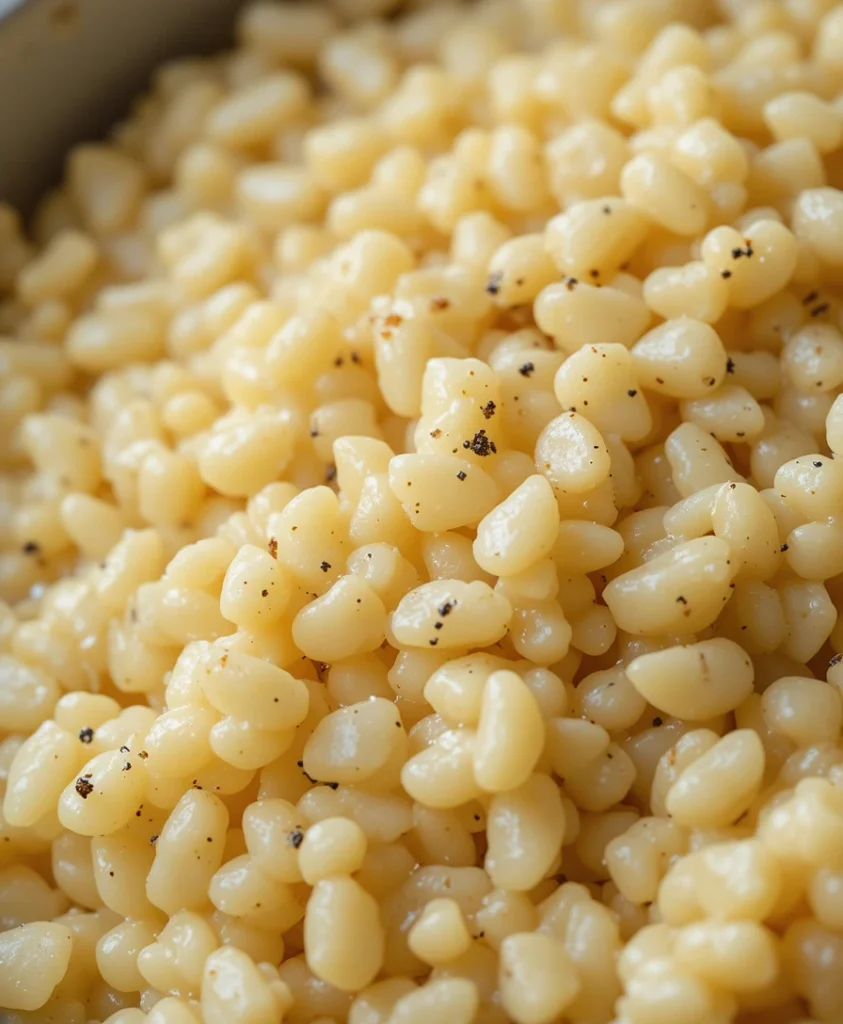
    The rice should become creamy and tender with a slight bite in the centre.

    Step 5: Finish softly

    Once the rice is cooked:

    • Stir in grated parmesan
    • Add a small squeeze of lemon juice
    • Season with salt and black pepper
    • Fold through fresh parsley

    If using spinach or crème fraîche, stir through at this stage.

    The risotto should be silky and softly flowing – not stiff.

    Let it rest for 1–2 minutes before serving.

    How to Serve Creamy Garlic Risotto in Spring

    This dish pairs beautifully with light seasonal additions:

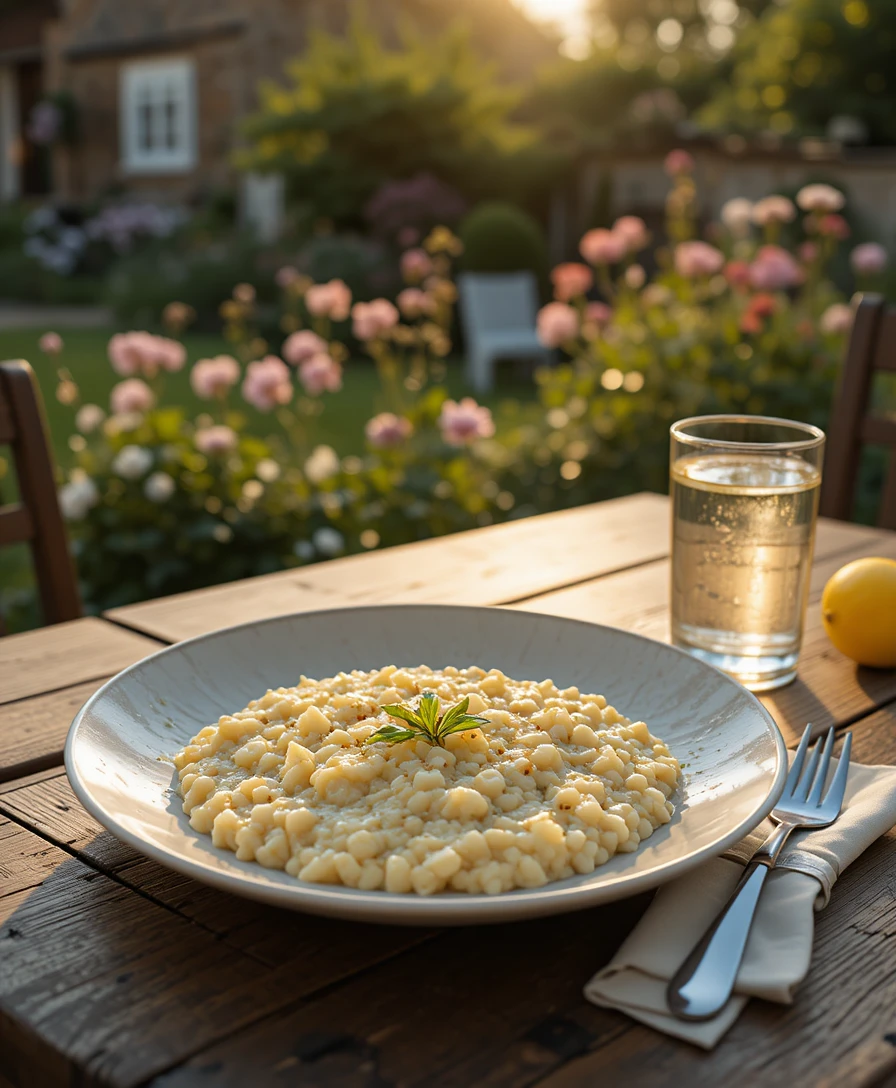
    For a gentle countryside table setting, serve in shallow bowls with an extra sprinkle of parmesan and fresh herbs.

    Add a wedge of lemon for brightness.

    It works beautifully for:

    • A quiet spring dinner
    • A soft Sunday evening meal
    • A small garden gathering
    • A comforting midweek reset

    How to Use Leftover Risotto

    Leftover risotto can feel even more indulgent the next day.

    Here are a few thoughtful ways to use it:

    Crispy Risotto Cakes

    Shape chilled risotto into small patties and pan-fry until golden and crisp on both sides. Serve with a spoonful of yoghurt and herbs.

    Stuffed Peppers

    Use risotto as a filling for halved bell peppers and bake until warmed through.

    Warm Grain Bowl

    Reheat gently and serve with roasted vegetables and a drizzle of olive oil.

    Arancini-Style Bites

    Roll into balls, coat lightly in breadcrumbs, and bake or fry until crisp for a small spring gathering.

    Leftovers become something new – intentional rather than repetitive.

    Gentle Spring Variations

    To keep this dish aligned with the season, you could:

    • Add fresh peas for sweetness
    • Stir through wild garlic if in season
    • Add lemon zest for extra brightness
    • Top with shaved parmesan curls
    • Finish with cracked black pepper and olive oil

    Spring risotto is about softness and balance – creamy but light, rich but fresh.

    A Quiet Spring Evening

    Creamy garlic risotto is not rushed food.

    It asks you to stir slowly. To pause. To notice.

    The soft bubbling of stock. The scent of garlic warming in butter. The gentle rhythm of adding and stirring.

    It’s a dinner that mirrors the season – steady, calm, quietly beautiful.

    And sometimes, that’s exactly what a spring evening calls for.

  • Spring Side Dish: Crispy Leeks

    Spring Side Dish: Crispy Leeks

    A Light, Golden Finish for Seasonal Meals

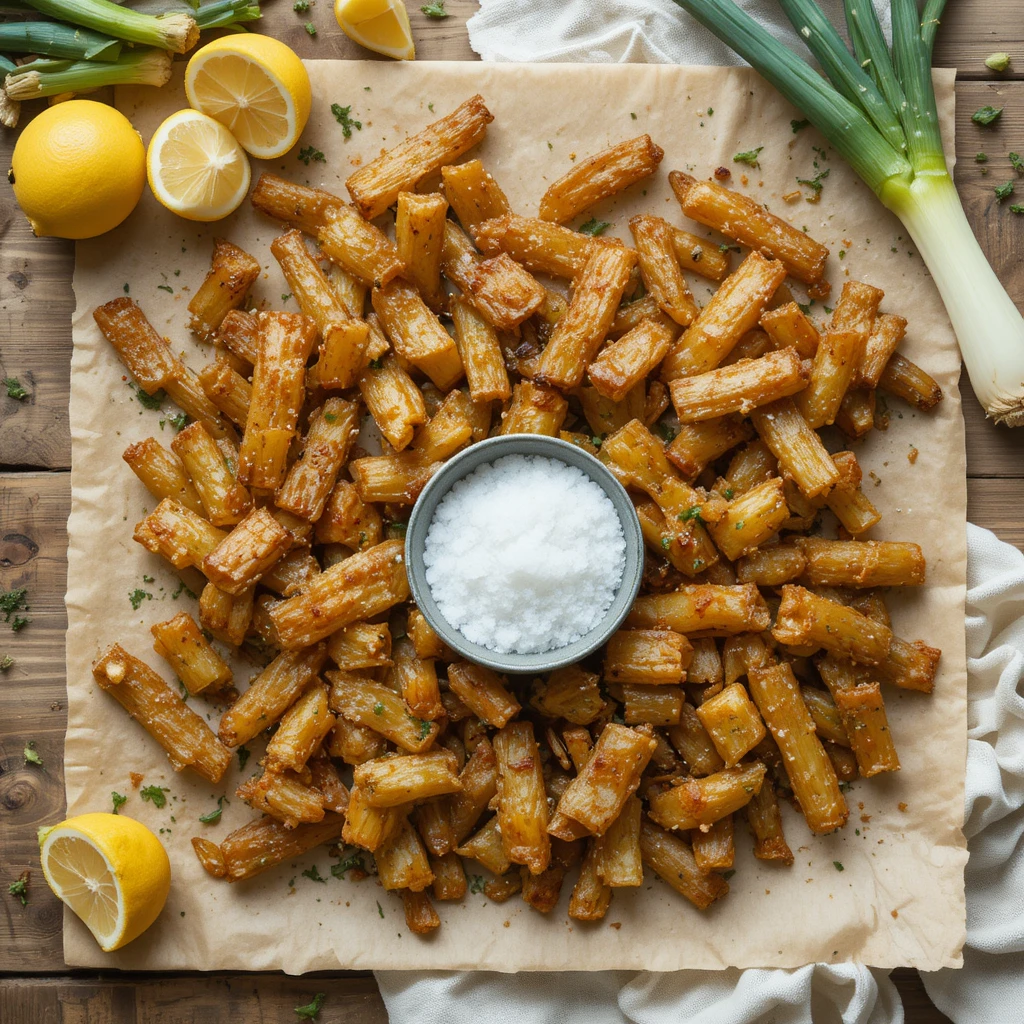
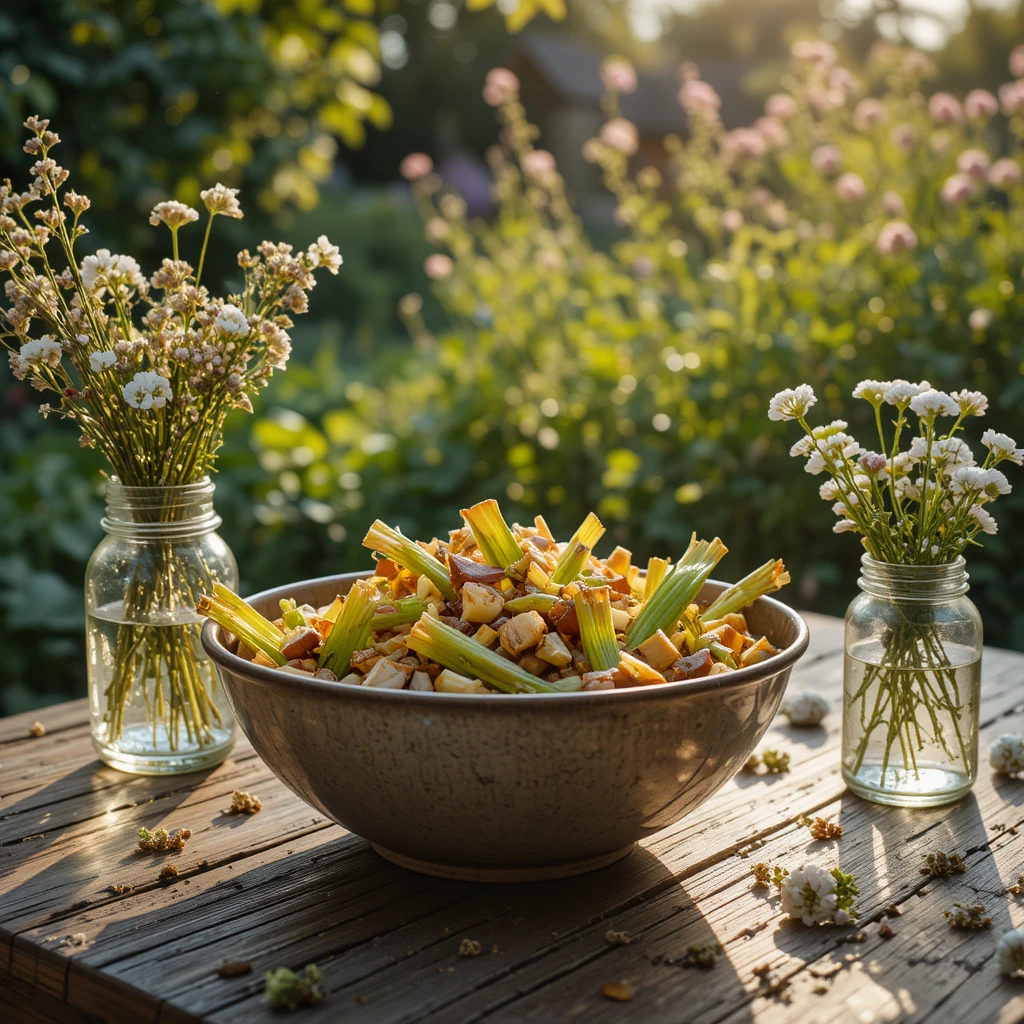
    Spring cooking often celebrates small touches – a squeeze of lemon, a scatter of herbs, or something crisp added at the last moment. Crispy leeks are one of those simple additions that transform a dish, bringing gentle sweetness and delicate crunch without heaviness.

    They’re less a centrepiece and more a finishing note, perfect for the season when meals become lighter but still comforting.

    Why Leeks Feel Perfect in Spring

    Leeks sit beautifully between winter and spring. Softer and sweeter than onions, they offer:

    • mild, delicate flavour
    • gentle savouriness
    • light texture
    • warmth without richness

    When cooked until crisp, they become a bright, golden topping that lifts simple meals.

    Ingredients (serves: 2–4 – as a garnish or side)

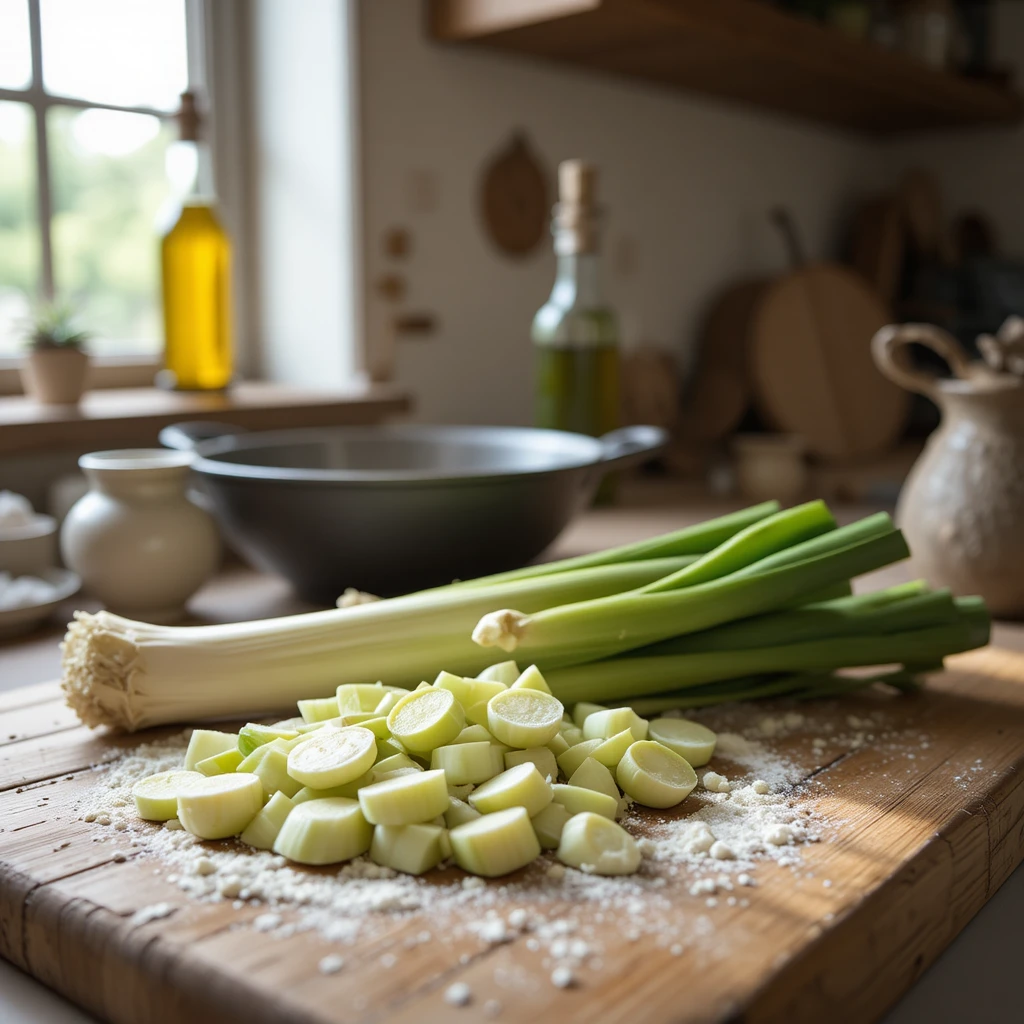
    • 1 large leek
    • 2–3 tbsp plain flour
    • Pinch salt
    • Neutral oil for frying

    Optional additions:

    • cracked black pepper
    • pinch paprika
    • squeeze of lemon after cooking

    Recipe

    Step 1: Prepare the Leek

    Trim the root and dark green tops.
    Slice thinly into fine rings and wash thoroughly to remove any grit.
    Pat completely dry.

    Step 2: Lightly Coat

    Toss the slices in flour with a pinch of salt until lightly coated.

    Step 3: Fry

    Heat a shallow layer of oil in a pan over medium heat.
    Fry the leeks in small batches for 1–2 minutes until golden and crisp.

    Step 4: Drain

    Transfer to kitchen paper and season lightly.
    Serve immediately while crisp.

    How to Use Crispy Leeks

    They work beautifully scattered over:

    A little goes a long way.

    Gentle Variations

    To adapt them for different meals:

    • Peppered Leeks: simple and savoury
    • Paprika Leeks: softly warming
    • Lemon Leeks: bright and fresh
    • Herb Leeks: toss with chopped parsley after frying

    Each keeps the light spring feeling.

    A Simple Spring Kitchen Moment

    Crispy leeks suit spring cooking when:

    • meals stay uncomplicated
    • garnishes feel natural
    • flavours remain clear
    • dishes look bright and fresh

    They’re a finishing touch rather than a main effort.

    Final Thoughts

    Crispy leeks are a small but beautiful spring addition – golden, delicate, and quietly flavourful. They bring texture and warmth without heaviness, perfect for the lighter meals of the season.

    A scatter of crunch, a hint of sweetness – a simple way to brighten a spring plate.

  • Spring Side Dish: Steamed Greens

    Spring Side Dish: Steamed Greens

    A Simple, Fresh Addition to Seasonal Meals

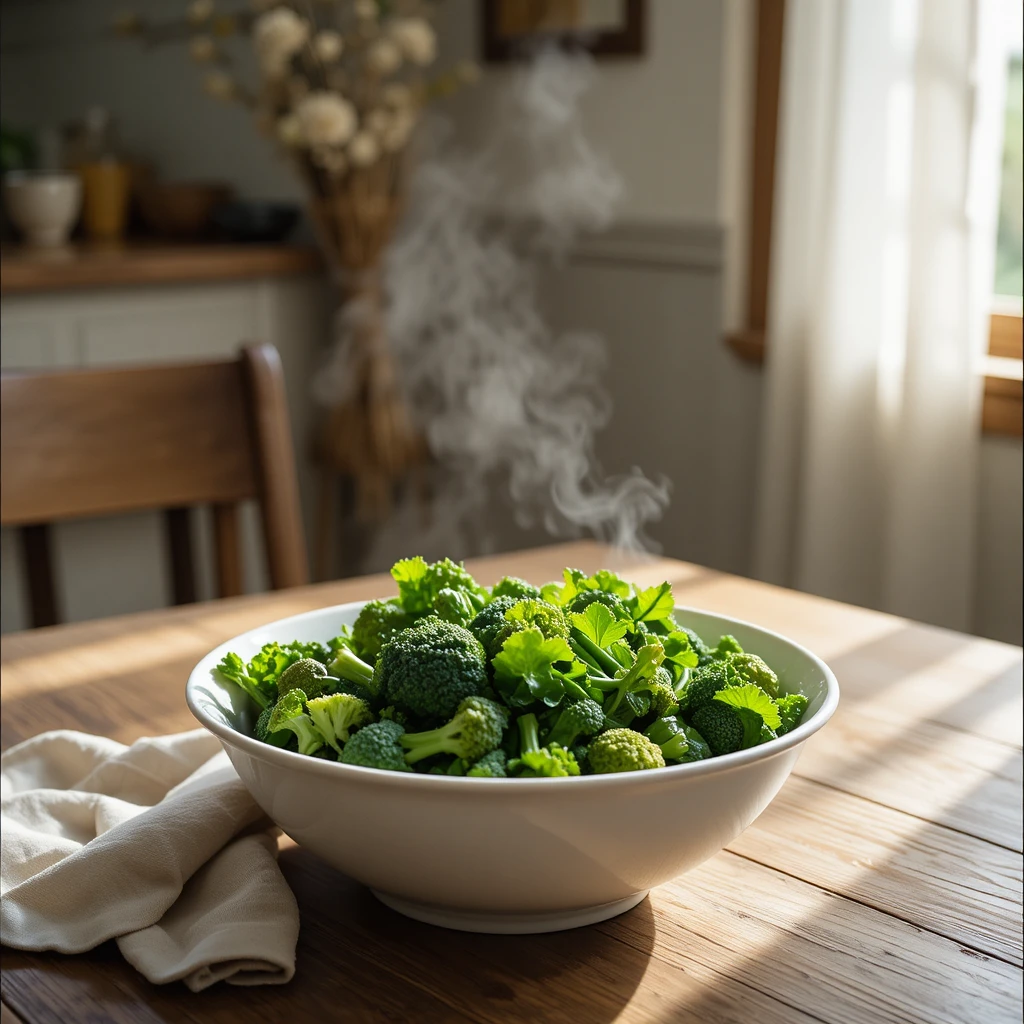
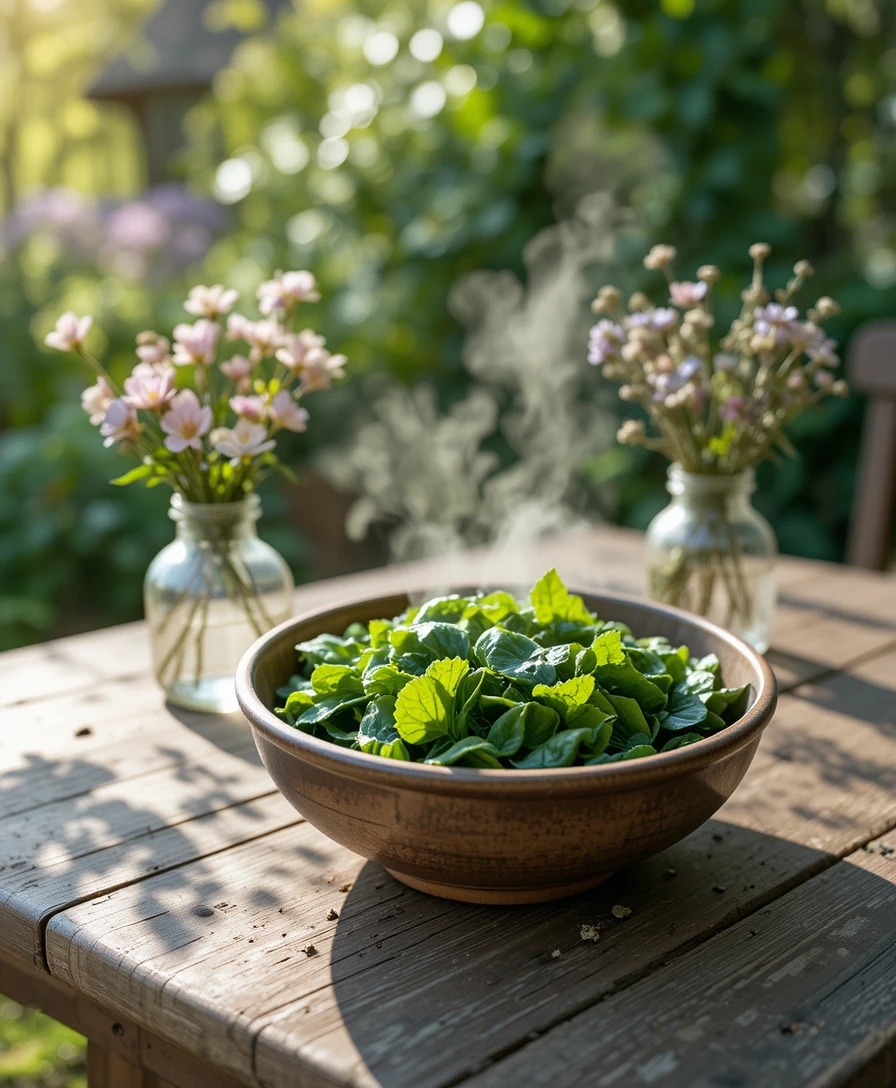
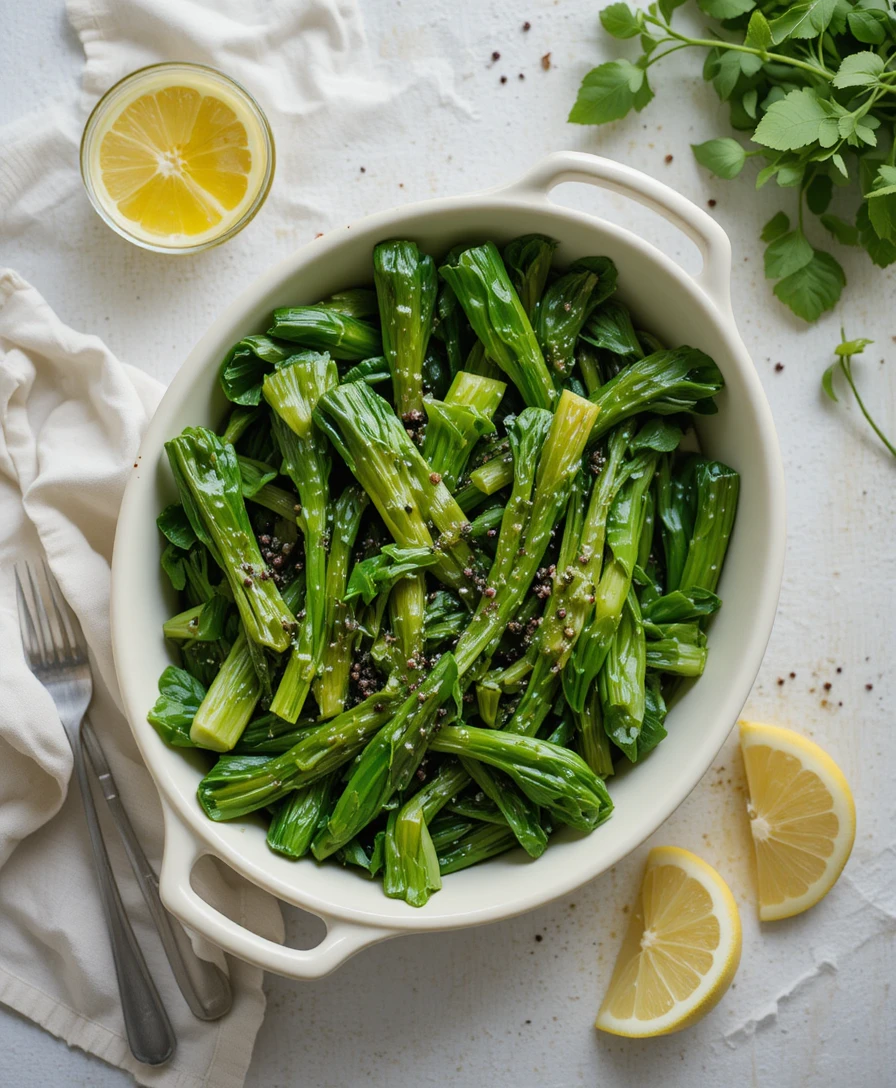
    As spring arrives, meals begin to feel lighter and cleaner. The heavier dishes of winter slowly give way to plates that feel fresh and nourishing. A bowl of steamed greens is one of the simplest ways to welcome the season – gentle, bright, and quietly satisfying.

    It’s less a recipe and more a rhythm: fresh vegetables, light seasoning, and just enough warmth to soften their bite while keeping their natural flavour.

    Why Steamed Greens Feel Right in Spring

    Spring cooking often centres around freshness and balance. Steamed greens bring:

    • clean, natural flavour
    • gentle nourishment
    • lightness alongside richer foods
    • colour and life to the plate

    They complement meals rather than dominate them.

    Ingredients (serves: 2–3)

    • 200–300 g seasonal greens (such as broccoli, tenderstem broccoli, cabbage, kale, or green beans)
    • Small knob of butter or drizzle of olive oil
    • Pinch of salt
    • Freshly ground black pepper

    Optional additions:

    • squeeze of lemon juice
    • grated garlic
    • toasted seeds
    • parmesan shavings

    Recipe

    Step 1: Prepare the Greens

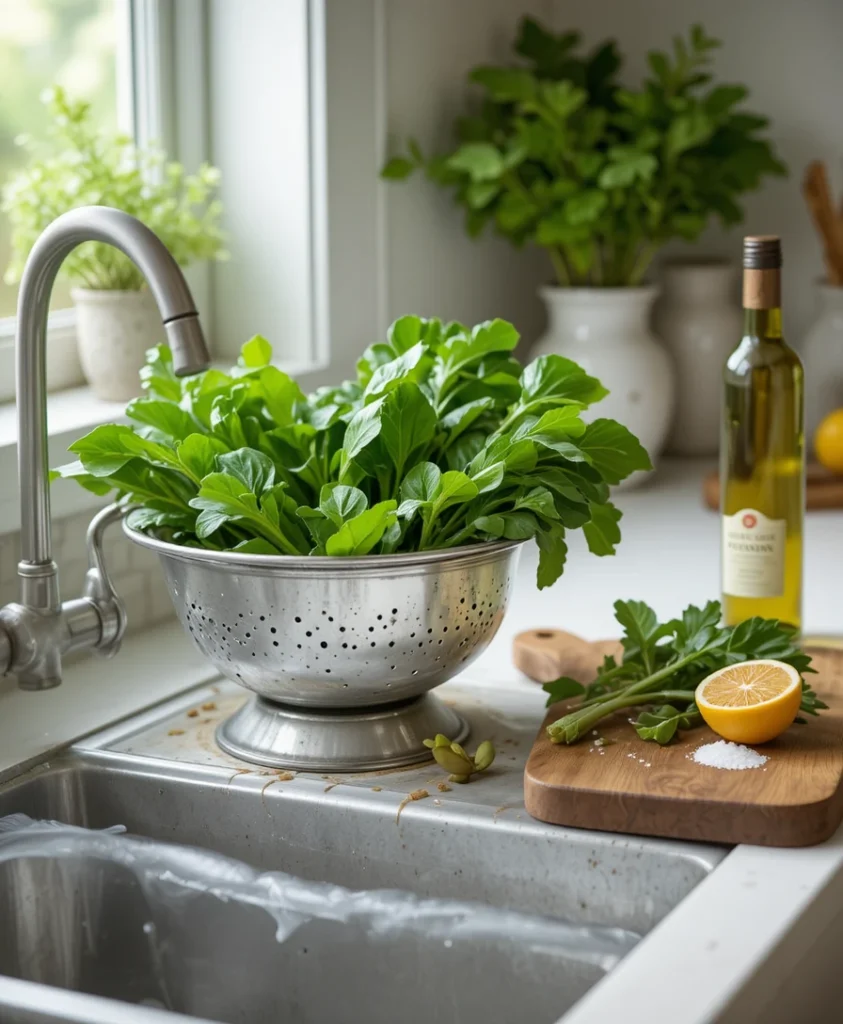
    Wash and trim the vegetables.
    Cut into even pieces so they cook gently and evenly.

    Step 2: Steam

    Place over simmering water and steam for 3–6 minutes depending on the vegetable, until tender but still vibrant.

    Step 3: Finish

    Transfer to a warm bowl and add butter or olive oil.
    Season lightly and add lemon or extras if you wish.

    Serve immediately.

    Gentle Variations

    To keep the dish fresh through the season, try:

    • Butter & Lemon Greens: bright and soft
    • Garlic Greens: gently warming
    • Olive Oil & Seeds: simple and nutty
    • Parmesan Greens: savoury and comforting

    Each keeps the focus on natural flavour.

    What to Serve With

    Steamed greens pair beautifully with:

    They bring balance to almost any meal.

    A Calm Spring Kitchen Moment

    Steamed greens suit the season best when:

    • cooked quickly and simply
    • served warm, not overdone
    • enjoyed without fuss
    • part of an easy, relaxed meal

    Sometimes the smallest dishes bring the most freshness.

    Final Thoughts

    Steamed greens are spring cooking at its most natural – fresh, simple, and quietly nourishing. They don’t need much to feel satisfying, just good ingredients and gentle preparation.

    Bright colour, soft warmth, and clean flavour – a small but perfect taste of the season.

  • Spring Countryside Flower Spotting: A Slow Living Guide to Noticing Nature’s First Blooms

    Spring Countryside Flower Spotting: A Slow Living Guide to Noticing Nature’s First Blooms

    Spring doesn’t arrive all at once.

    It arrives quietly – in hedgerows, along winding footpaths, beneath old stone walls and beside wooden farm gates. It shows itself in small bursts of colour against soft green fields.

    Countryside flower spotting isn’t about rushing to see everything in bloom. It’s about slowing down enough to notice what’s already there.

    A single snowdrop by a fence post.
    A drift of daffodils beside a country lane.
    Blossom catching the light against a pale blue sky.

    It’s an invitation to walk gently, look closely, and romanticise the ordinary.

    Why Flower Spotting Feels So Special in Spring

    After the stillness of winter, the first flowers feel almost miraculous.

    There’s something grounding about witnessing the countryside wake up — especially in quiet rural places where the landscape moves at its own pace.

    Spring flower spotting allows you to:

    • Reconnect with nature after colder months
    • Practice mindfulness without forcing it
    • Add intention to your countryside walks
    • Notice seasonal shifts in real time
    • Create small rituals around slow living

    It turns an ordinary walk into something softly meaningful.

    Early Spring Flowers to Look For

    Here are some of the first countryside blooms you may spot on your spring walks:

    Snowdrop

    Often the very first sign that winter is loosening its grip. Snowdrops appear in delicate clusters, usually beneath trees or along hedgerows. Their white petals feel almost fragile against the cold air – quiet but hopeful.

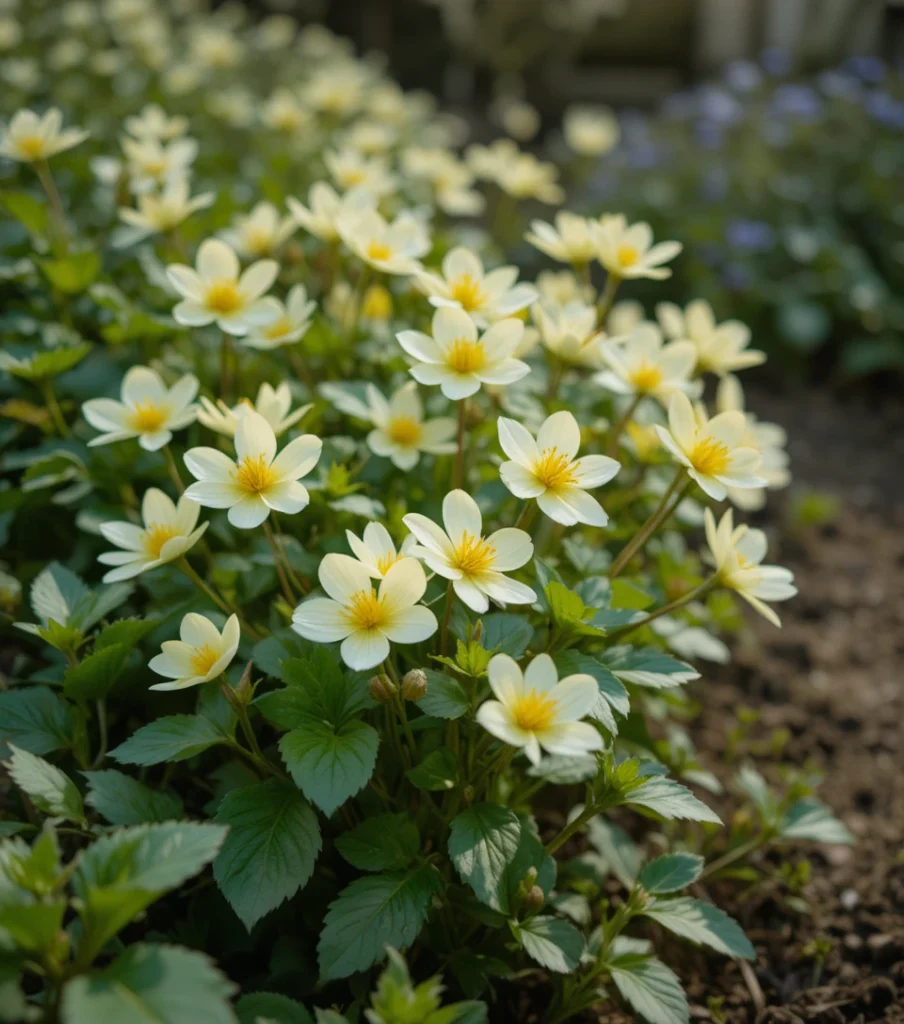
    Primrose

    Soft yellow and low to the ground, primroses often nestle into banks and woodland edges. They don’t demand attention – they reward it.

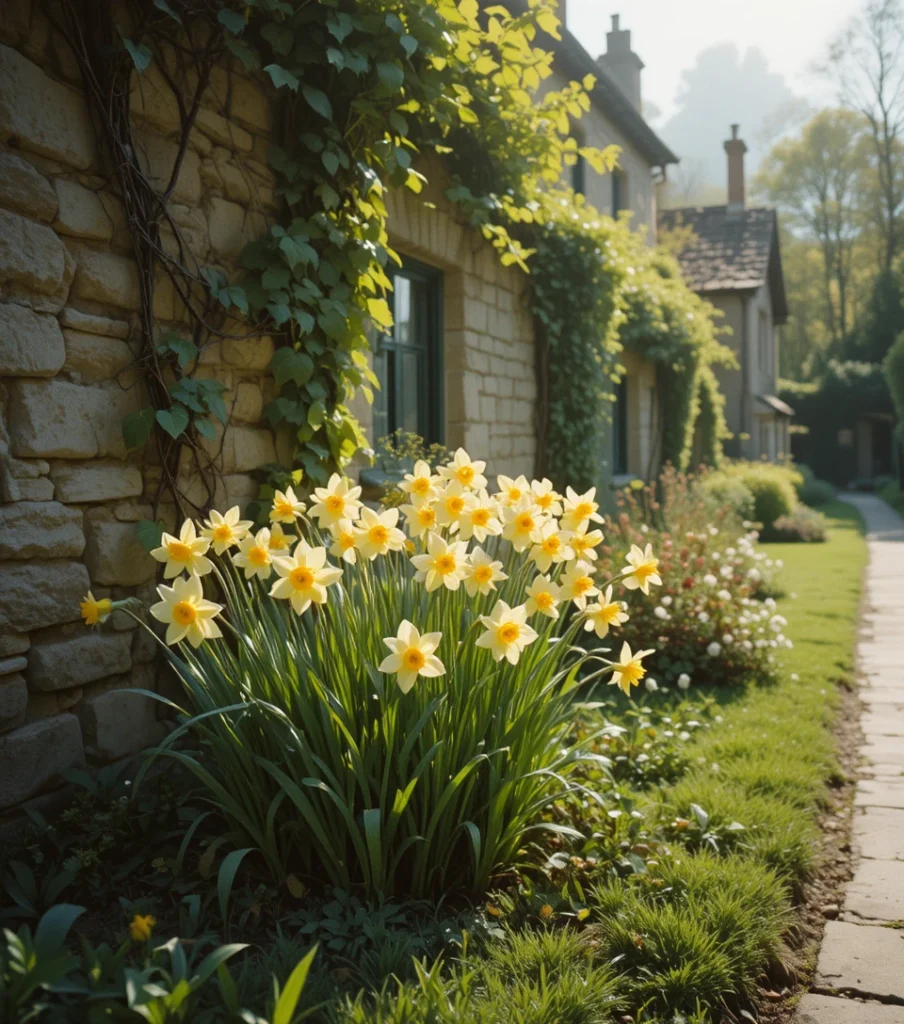
    Daffodil

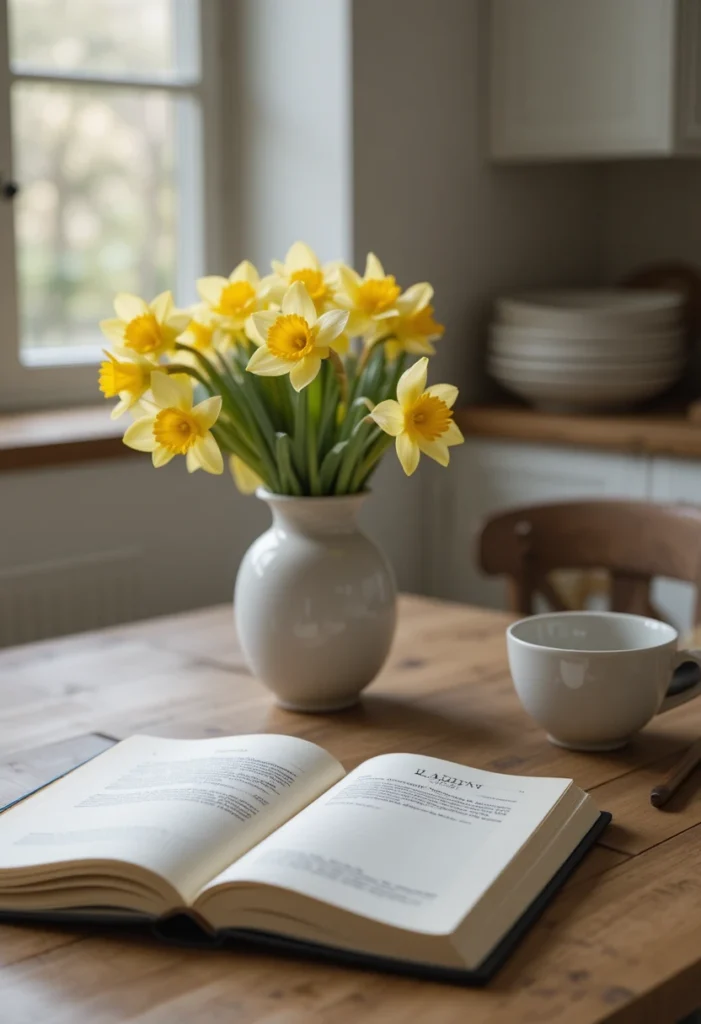
    The unmistakable symbol of British spring. Whether scattered through fields or lining village roads, daffodils bring brightness and a sense of celebration.

    Cherry blossom

    Blossom feels fleeting – which makes it even more special. A country lane dusted with petals can transform an everyday walk into something cinematic.

    How to Turn a Walk Into a Flower Spotting Ritual

    Instead of simply walking for steps, try walking with intention.

    You might:

    • Choose a quiet footpath or bridleway
    • Leave your headphones at home
    • Notice colours before shapes
    • Photograph only what truly catches your eye
    • Keep a small notebook to record what you see

    You could even create a seasonal “flower log” – noting the first snowdrop you spotted, the day the blossom arrived, or when the fields turned from muted brown to green.

    Over time, you’ll begin to recognise patterns. Spring will feel less like a sudden change and more like a gentle unfolding.

    Bringing Countryside Flowers Into Your Home (Gently)

    If you choose to bring flowers home, do so thoughtfully.

    Never pick from protected areas. Instead, consider:

    • Fallen blossom petals
    • A small garden cutting
    • Pressing flowers from your own space
    • Sketching what you see rather than picking it

    Sometimes the most romantic thing is simply leaving them where they grow.

    Romanticising the Small Details

    Countryside flower spotting isn’t about dramatic landscapes.

    It’s about:

    • Sunlight hitting petals
    • Bees hovering quietly
    • Muddy boots and fresh air
    • A wooden gate opening into fields
    • That soft shift in the air that says, something is changing

    Spring rarely announces itself loudly in the countryside. It reveals itself slowly, bloom by bloom.

    And when you begin to notice those details, your walks feel different.

    Softer.
    Slower.
    More intentional.

    A Gentle Spring Invitation

    This season, instead of chasing productivity or grand plans, consider chasing small signs of life instead.

    Notice what’s blooming.
    Notice what’s returning.
    Notice what’s quietly growing.

    The countryside doesn’t rush – and neither should you.

    Let your spring walks be simple. Let them be light. Let them feel like a conversation between you and the land.

    And perhaps, like the flowers themselves, you’ll find yourself blooming quietly too.

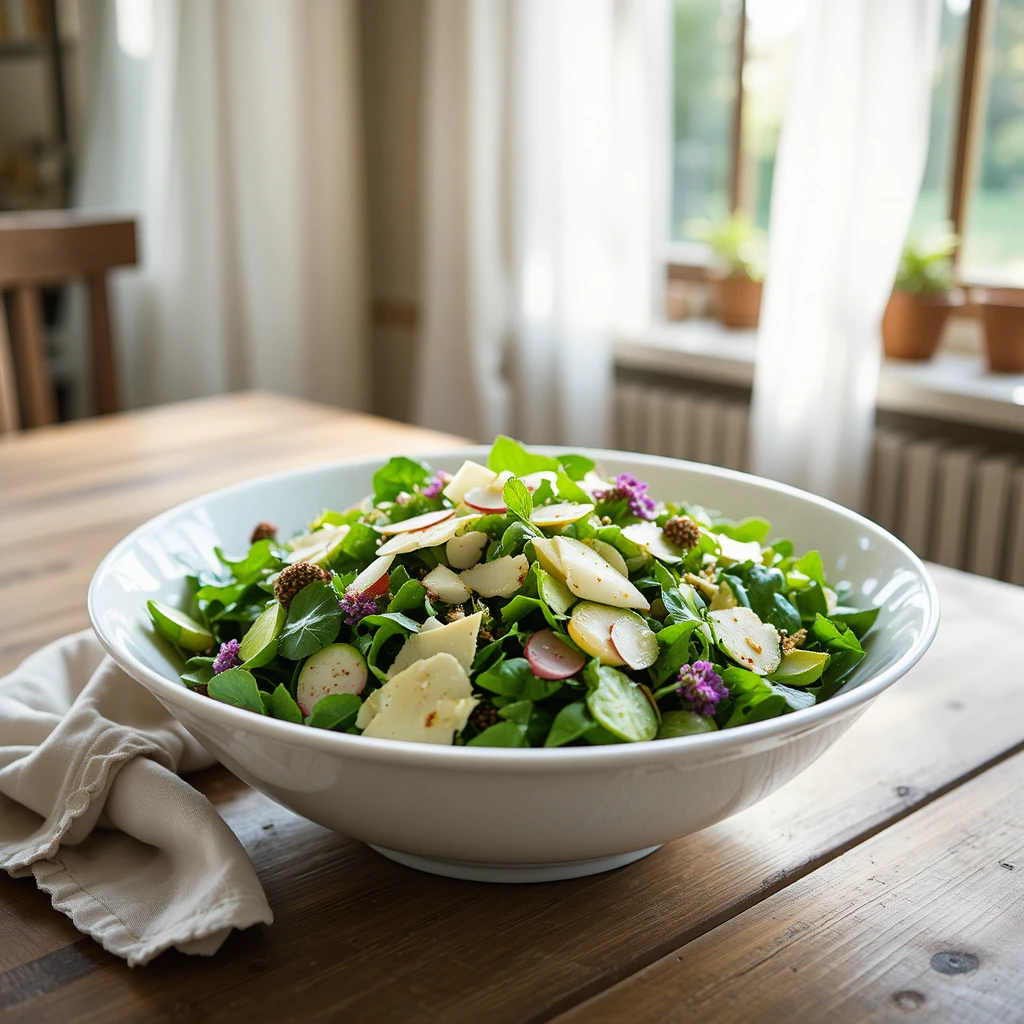
  • Spring Lunch: Lemon Vinaigrette Salad

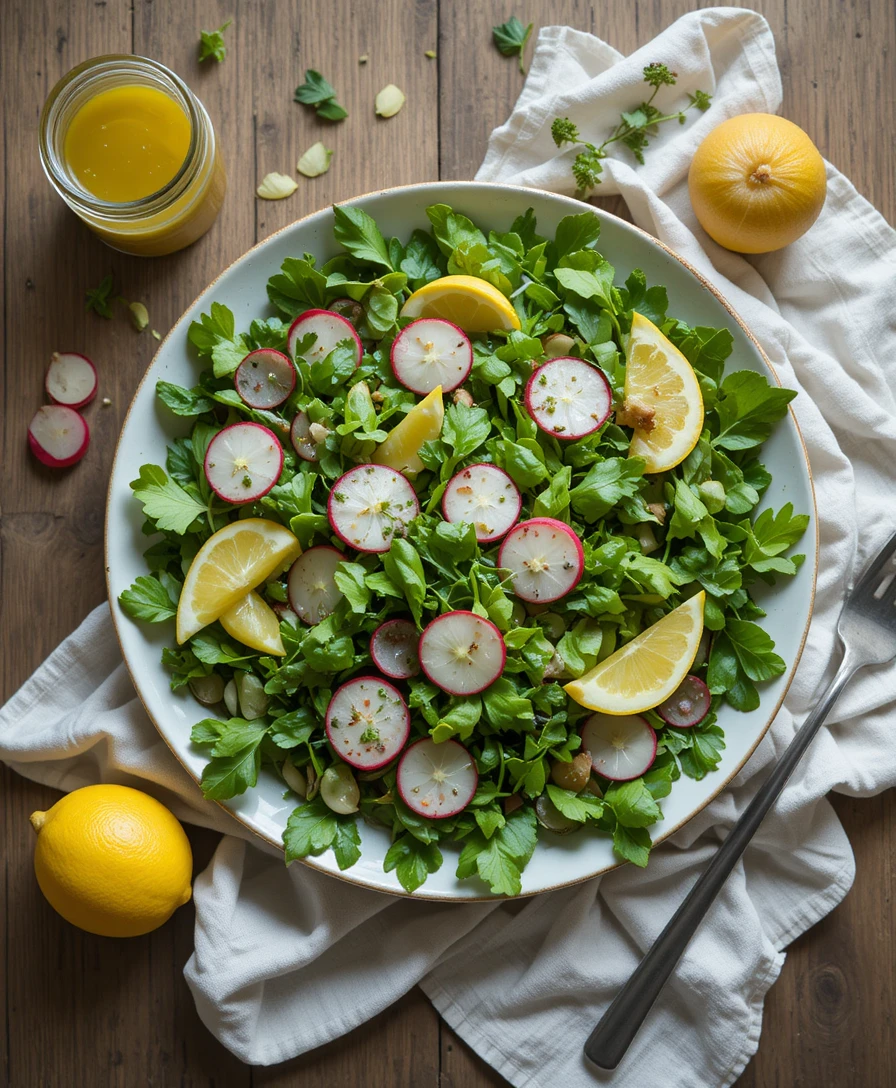
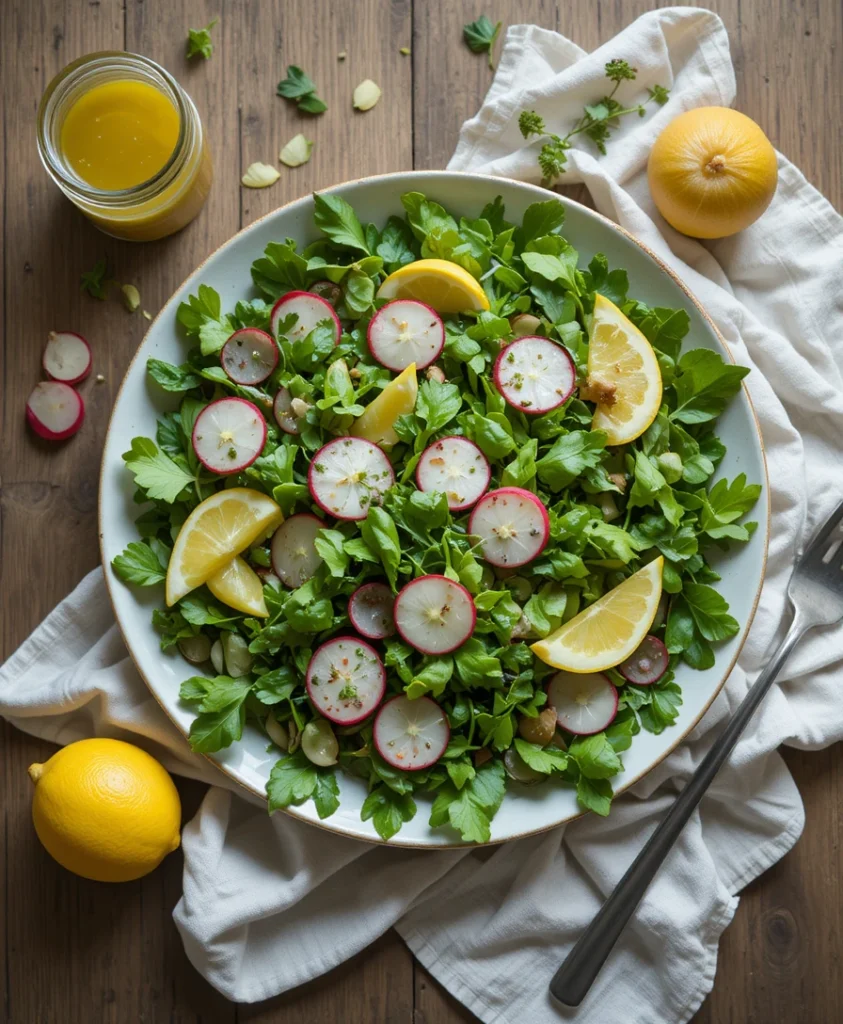
    Spring Lunch: Lemon Vinaigrette Salad

    A Fresh, Bright Bowl for Lighter Days

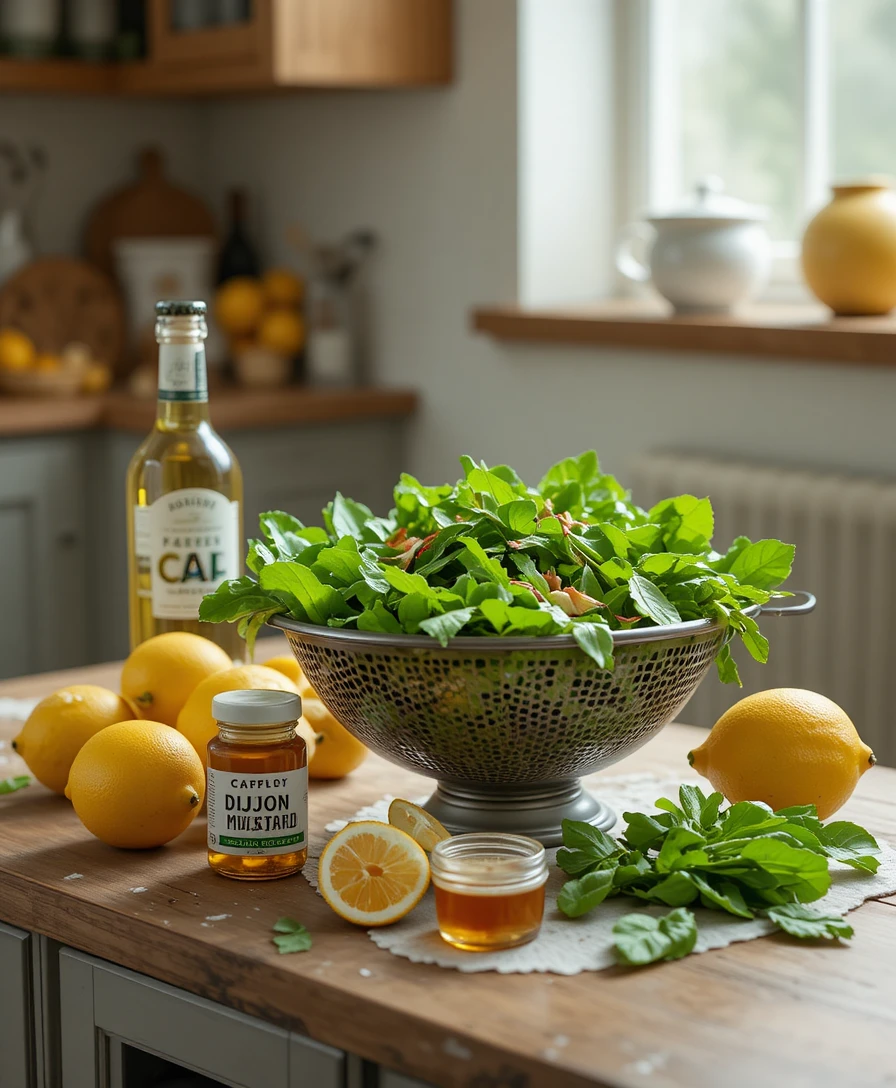
    As spring settles in, meals begin to feel lighter and fresher. Windows open more often, the air carries a softness, and food shifts toward simple flavours that feel clean and uplifting. A lemon vinaigrette salad captures this perfectly – crisp leaves, gentle textures, and a dressing that brings everything to life.

    It’s a bowl that feels refreshing rather than filling, ideal for days when you want something nourishing but not heavy.

    Why Lemon Works So Beautifully in Spring

    After winter’s richer meals, lemon brings brightness back to the table. A vinaigrette adds:

    • freshness and clarity of flavour
    • lightness without losing satisfaction
    • balance to simple ingredients
    • a sense of seasonal renewal

    It wakes up even the simplest salad.

    Ingredients (serves: 2)

    Salad Base

    • 2 large handfuls mixed salad leaves
    • ½ cucumber, sliced
    • 6–8 cherry tomatoes, halved
    • Small handful radishes, sliced
    • Optional: avocado, feta, or toasted seeds

    Lemon Vinaigrette

    • 2 tbsp olive oil
    • 1 tbsp fresh lemon juice
    • ½ tsp honey
    • Pinch salt
    • Freshly ground black pepper

    Recipe

    Step 1: Prepare the Salad

    Place the leaves in a large bowl.
    Add cucumber, tomatoes, and radishes.

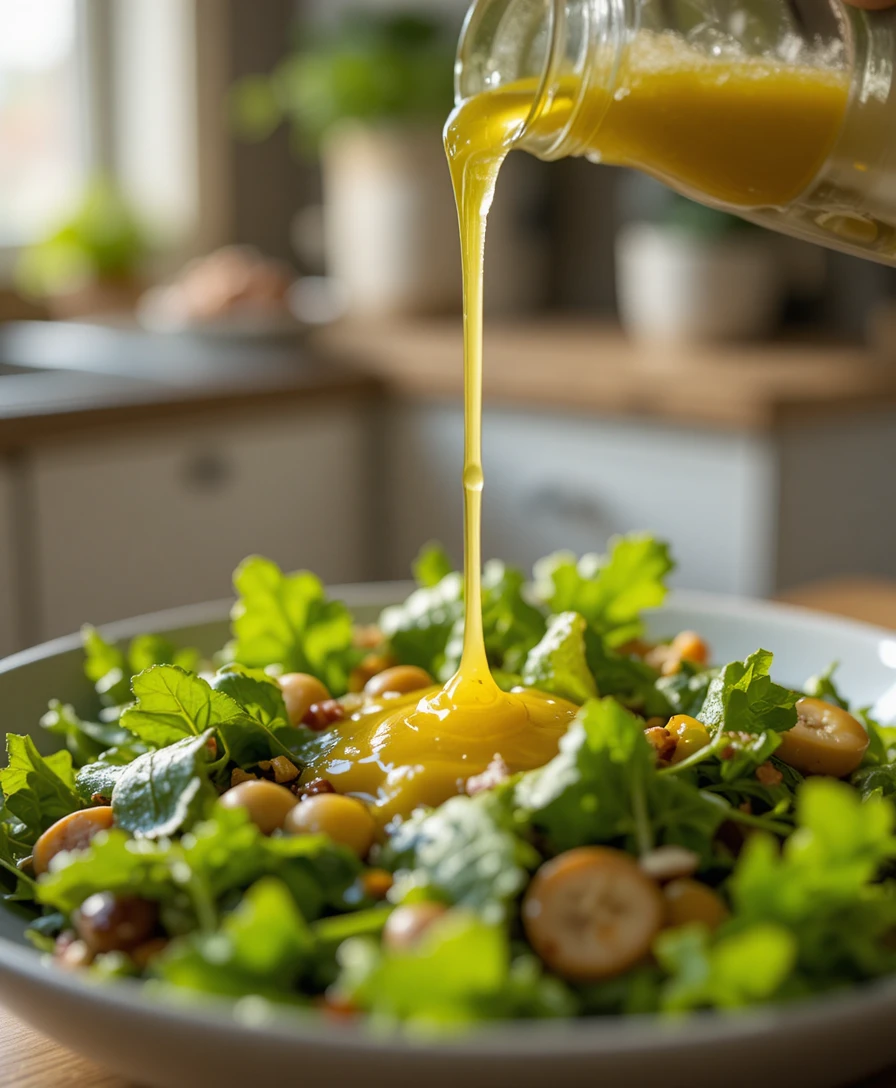
    Step 2: Make the Dressing

    Whisk together olive oil, lemon juice, honey, salt, and pepper until lightly emulsified.

    Step 3: Dress Gently

    Drizzle the vinaigrette over the salad just before serving.
    Toss lightly so everything stays fresh and crisp.

    Serve immediately.

    Spring Variations

    To gently adapt the salad throughout the season:

    • Lemon & Herb: add parsley or chives
    • Lemon & Feta: soft and savoury
    • Lemon & Avocado: creamy contrast
    • Lemon & Chicken: light lunch version
    • Lemon & Seeds: added texture

    Each keeps the dish fresh and seasonal.

    When to Enjoy It

    This salad suits:

    • light spring lunches
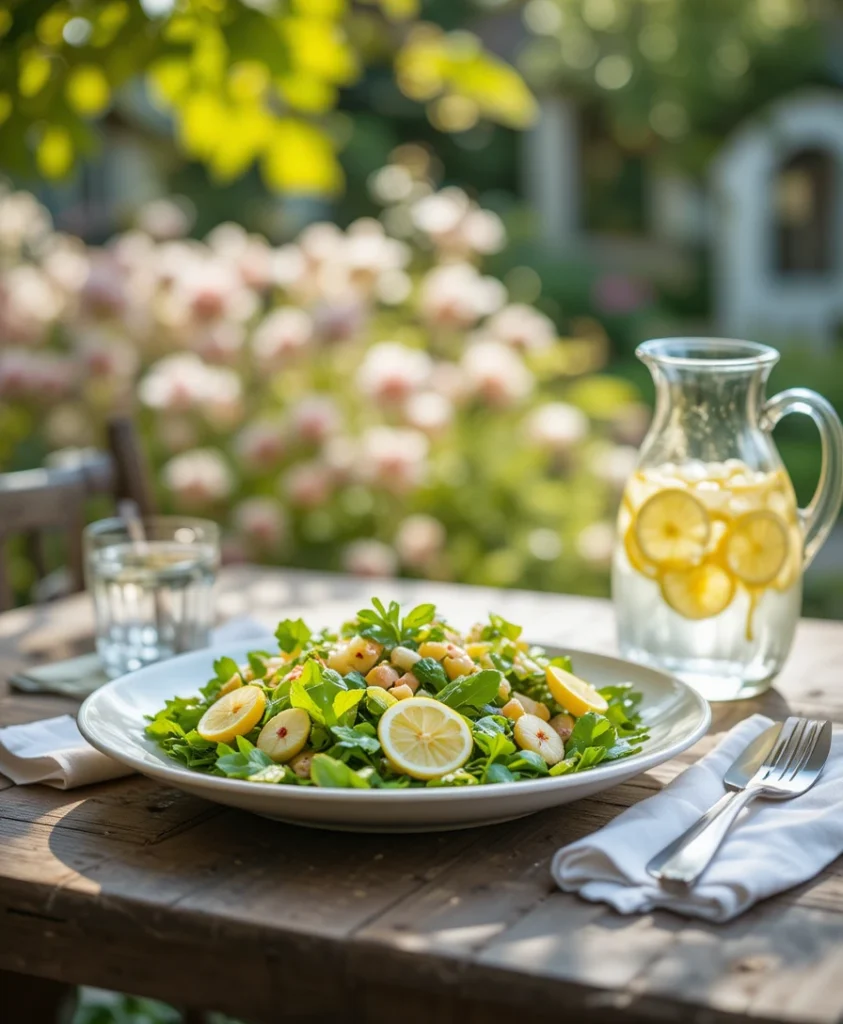
    • garden meals in mild sunshine
    • alongside soups or bread
    • picnics and packed lunches
    • simple suppers

    It complements rather than overwhelms.

    A Gentle Spring Table

    The salad feels especially right when:

    • served in a large shared bowl
    • eaten slowly outdoors or by a window
    • paired with simple bread
    • the table remains uncluttered

    Spring meals often shine through simplicity.

    Final Thoughts

    A lemon vinaigrette salad is spring food at its clearest – bright, fresh, and uncomplicated. It doesn’t need many ingredients to feel satisfying, only balance and care.

    Crisp leaves, clean flavours, and soft daylight – a simple way to welcome the season.

  • Spring Journalling: A Gentle Reset for Brighter Days

    Spring Journalling: A Gentle Reset for Brighter Days

    As winter softens and the air begins to shift, spring quietly invites us to begin again.

    The mornings feel lighter. Windows stay open a little longer. The countryside slowly moves from muted greys to fresh greens. And somewhere within us, there’s a natural urge to clear, to refresh, to reflect.

    Spring journalling isn’t about productivity.
    It’s about noticing the shift.

    It’s about sitting by an open window with a warm cup of tea, letting sunlight spill across your pages, and allowing your thoughts to gently unfold.

    Why Spring Is the Perfect Season to Journal

    Spring sits between rest and growth.

    Winter encourages reflection and stillness. Summer brings movement and energy. But spring? Spring is about becoming.

    Journalling during this season can help you:

    • Clear mental clutter after winter
    • Set gentle intentions for the months ahead
    • Reconnect with creativity
    • Romanticise everyday routines
    • Track growth – both in nature and in yourself

    There’s something deeply comforting about pairing inner renewal with the world waking up outside your window.

    Creating a Spring Journalling Ritual

    Instead of rushing to “journal more,” try creating a soft ritual around it.

    You might:

    • Open the windows slightly for fresh air
    • Light a delicate floral candle
    • Play soft instrumental music
    • Sit at a sunlit desk with a linen notebook
    • Brew a cup of chamomile or green tea

    Spring journalling should feel light – not heavy.
    Think fresh pages, soft pens, simple prompts.

    Let it be something you look forward to, not something on a checklist.

    Spring Journalling Prompts

    Here are some gentle prompts to guide your pages this season:

    Renewal & Growth

    • What feels ready to bloom in my life right now?
    • What am I outgrowing?
    • What would a “lighter” version of my routine look like?
    • Where have I grown quietly over the winter?

    Intentions for the Season

    • How do I want my days to feel this spring?
    • What habits would support that feeling?
    • What does a slow, gentle morning look like to me?
    • What am I welcoming in?

    Everyday Romanticising

    • Describe your ideal spring morning in detail.
    • What small things currently bring you joy?
    • How can you make your home feel fresher this season?
    • What does “soft living” mean to you right now?

    Nature Reflection

    • What changes are you noticing outdoors?
    • How does spring light make you feel?
    • What lessons can you take from nature’s renewal?

    Aesthetic Ideas for Spring Journal Pages

    If you love making your journal visually beautiful, spring offers endless inspiration:

    • Pressed flowers between pages
    • Soft pastel highlighters
    • Watercolour florals
    • Light calligraphy headings
    • Nature sketches
    • Daffodil or blossom stickers
    • Linen or ribbon bookmarks

    Think cream pages, blush details, sage green accents – delicate but not overwhelming.

    The Beauty of Gentle Consistency

    You don’t need to journal daily.

    Even once or twice a week, sitting down intentionally, can feel grounding.

    Spring journalling is less about documenting every thought and more about checking in. It’s a conversation with yourself as the world shifts around you.

    Let it be slow.
    Let it be simple.
    Let it feel like opening a window in your mind.

    Romanticise the Ordinary

    Spring reminds us that growth doesn’t happen loudly.

    It happens quietly – in buds forming, in evenings stretching longer, in fresh air drifting through open doors.

    Your journalling can reflect that same softness.

    A few honest lines.
    A gentle intention.
    A page filled with light.

    And just like the season itself, you may look back in a few months and realise how much has quietly bloomed.

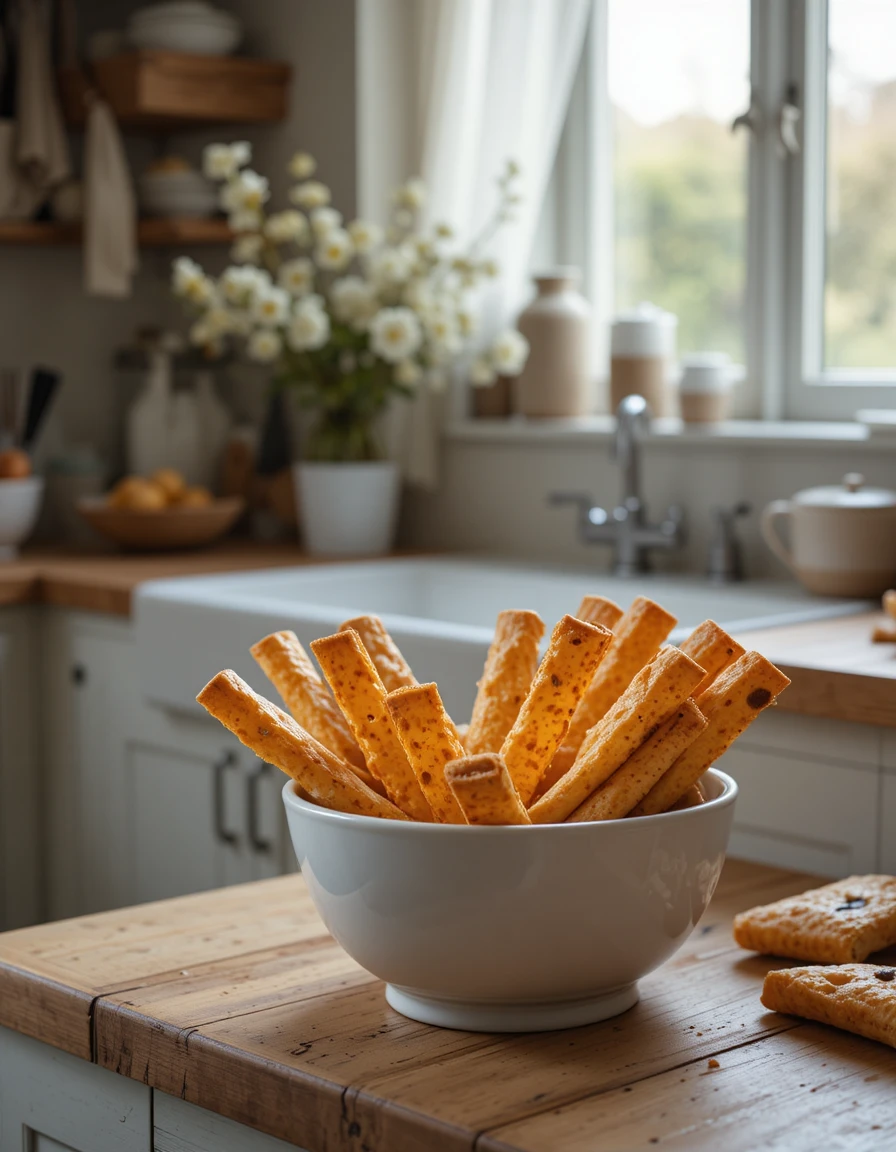
  • Spring Snack: Chilli Cheese Straws

    Spring Snack: Chilli Cheese Straws

    A Lightly Spiced Bite for Brighter Days

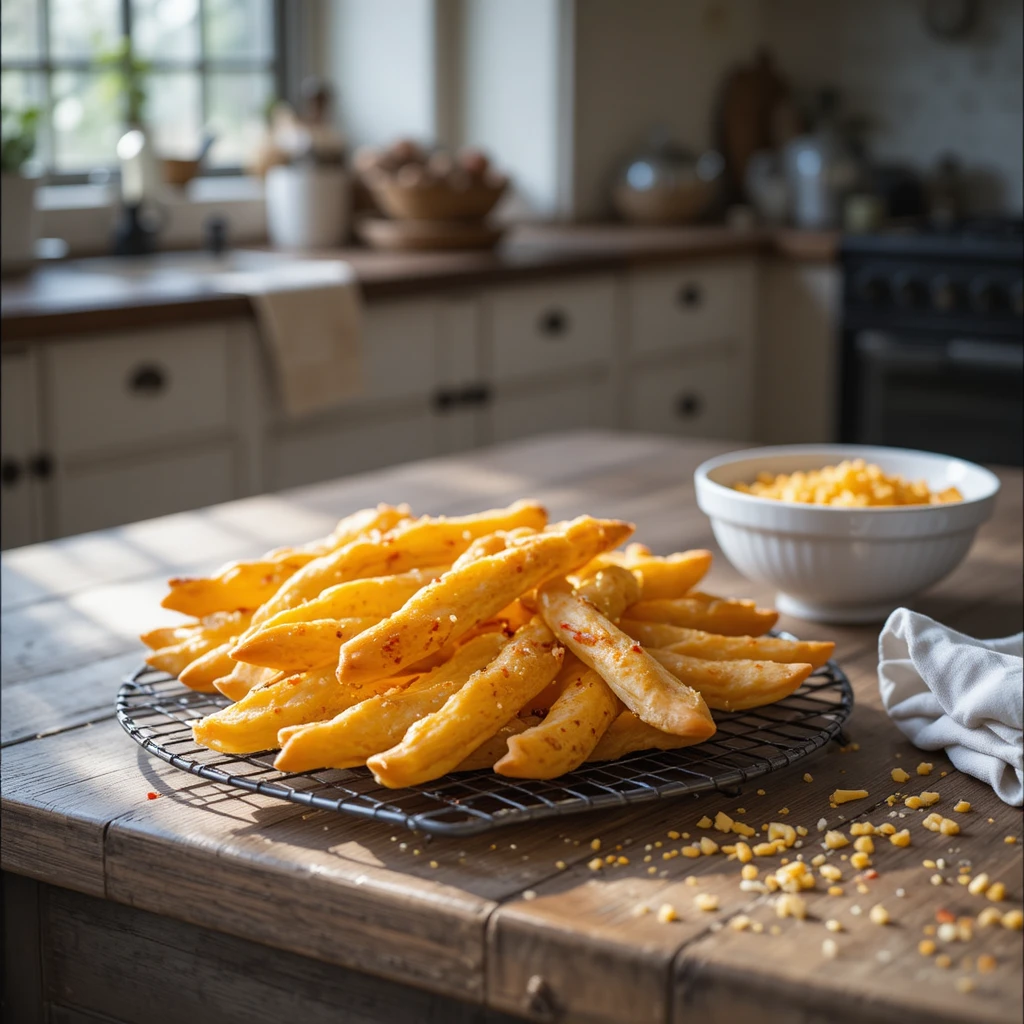
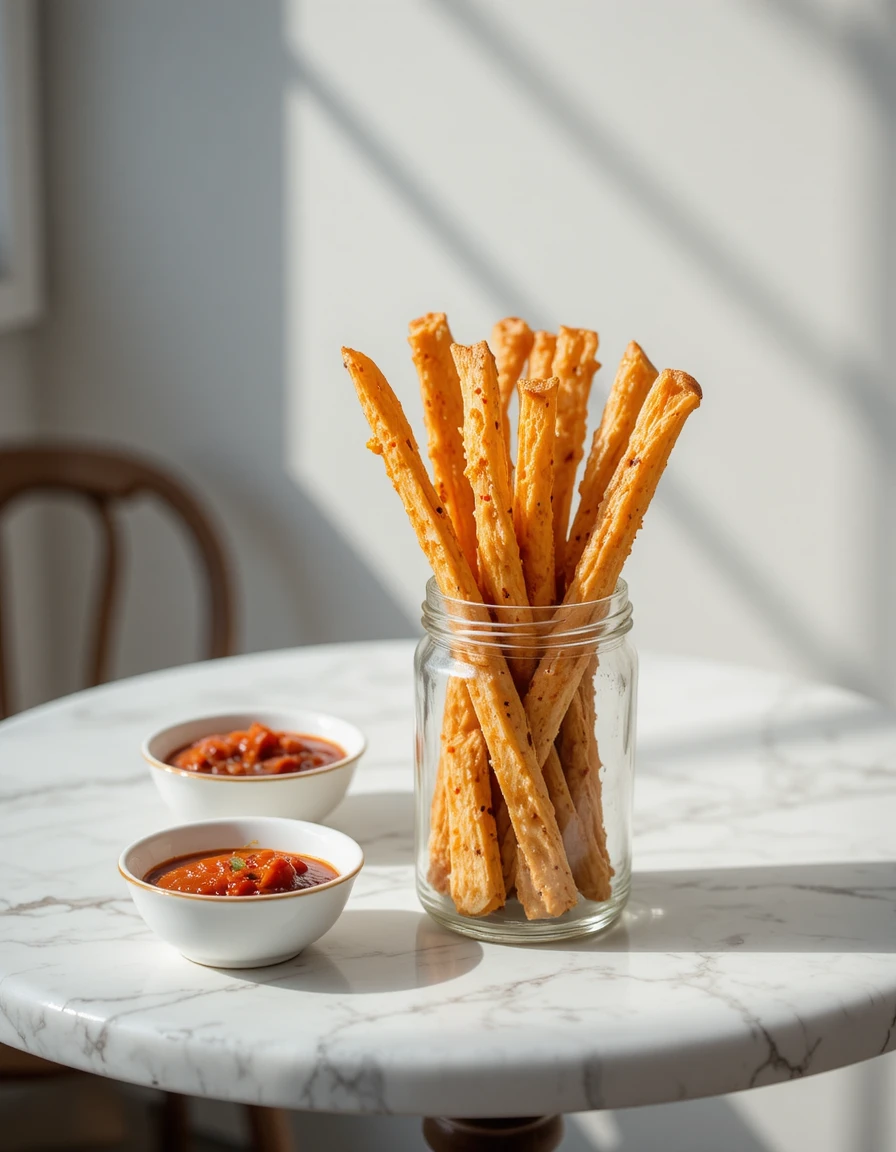
    As the days grow lighter and the kitchen doors begin to open more often, snacks become simpler and more shareable. Chilli cheese straws are perfect for spring – crisp, savoury, and gently warming without feeling heavy.

    They’re the sort of bake you can make quickly, set out on a board, and nibble slowly throughout the afternoon. Just right for garden tables, picnics, or a small gathering with tea.

    Why Chilli Cheese Straws Suit Spring

    In spring we often want something savoury but not rich. These bring:

    • crisp, flaky texture
    • comforting cheese flavour
    • a gentle chilli warmth
    • easy sharing and grazing

    They feel homemade and relaxed – ideal for the in-between season.

    Ingredients (makes: 20–25 straws)

    • 1 sheet ready-rolled puff pastry
    • 75 g mature cheddar, finely grated
    • ¼–½ tsp chilli flakes (to taste)
    • Pinch black pepper
    • 1 egg, beaten (for glazing)

    Optional additions:

    • paprika for warmth
    • sesame or poppy seeds
    • herbs such as thyme

    Recipe

    Step 1: Prepare the Pastry

    Unroll the puff pastry onto a lightly floured surface.
    Lightly brush with beaten egg.

    Step 2: Add the Flavour

    Sprinkle evenly with grated cheese, chilli flakes, and pepper.
    Press gently so the topping sticks.

    Step 3: Cut & Twist

    Cut into thin strips (about 1–1.5 cm wide).
    Twist each strip and place on a lined baking tray.

    Step 4: Bake

    Bake at 200°C (fan) for 12–15 minutes until golden and crisp.

    Allow to cool slightly before serving.

    Spring Variations

    You can gently adapt them depending on mood or occasion:

    • Cheese & Herb Straws: thyme or rosemary
    • Paprika Cheese Straws: smoky warmth
    • Milder Version: skip chilli for a classic bake
    • Extra Cheesy: add parmesan
    • Seeded Straws: sesame or nigella seeds

    Each keeps the snack light and shareable.

    How to Serve

    Perfect served:

    • alongside soup at lunch
    • with a simple salad
    • on a spring picnic blanket
    • with drinks in the garden
    • as a nibble while cooking

    They also keep well for a day or two in an airtight tin.

    A Gentle Spring Kitchen Moment

    This is the kind of bake best made when:

    • the back door is open
    • the kettle is always on
    • sunlight reaches the worktop
    • there’s no rush to tidy immediately

    Small baking moments often become the most enjoyable.

    Final Thoughts

    Chilli cheese straws are a perfect spring snack – crisp, savoury, and gently warming, without feeling heavy. They’re simple to make and even easier to share.

    A plate in the middle of the table, fresh air drifting in – a small taste of the new season.

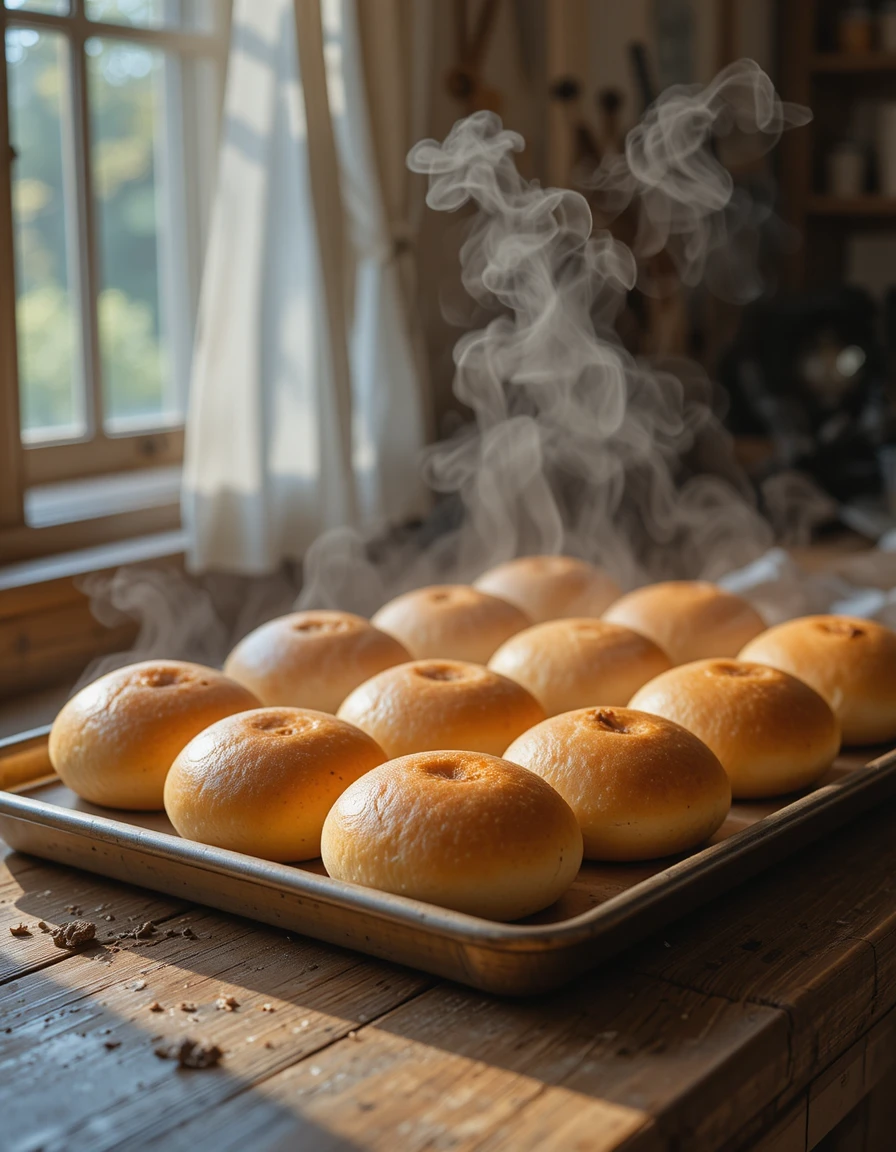
  • Spring Baking: Spiced Sweet Buns

    A Soft, Lightly Spiced Treat for Brighter Days

    As spring arrives, baking begins to feel lighter. The oven is still warm, but the air is fresher, and recipes shift from rich winter puddings to softer, gently sweet bakes. Spiced sweet buns sit perfectly in this in-between season – comforting yet delicate, warm but not heavy.

    They’re the kind of bake that suits a slow morning, eaten slightly warm with a cup of tea and the windows open just enough to let in the breeze.

    Why Sweet Buns Feel Right in Spring

    Spring baking often keeps the warmth of winter spices but softens their intensity. These buns bring:

    • gentle sweetness
    • soft, fluffy texture
    • light warming spice
    • comfort without richness

    They feel homemade and familiar – a simple pleasure rather than a dessert.

    Ingredients (makes: 10–12 buns)

    Dough

    • 500 g strong white bread flour
    • 7 g fast-action dried yeast
    • 60 g sugar
    • 1 tsp ground cinnamon
    • ¼ tsp nutmeg
    • ½ tsp salt
    • 250 ml warm milk
    • 50 g melted butter
    • 1 egg

    Filling (optional but lovely)

    • 30 g soft butter
    • 2 tbsp brown sugar
    • 1 tsp cinnamon

    Glaze

    • 80 g icing sugar
    • 1–2 tbsp milk

    Recipe

    Step 1: Make the Dough

    In a large bowl, combine flour, yeast, sugar, spices, and salt.
    Add warm milk, melted butter, and egg.
    Mix to form a soft dough.

    Step 2: Knead

    Knead for 8–10 minutes until smooth and elastic.
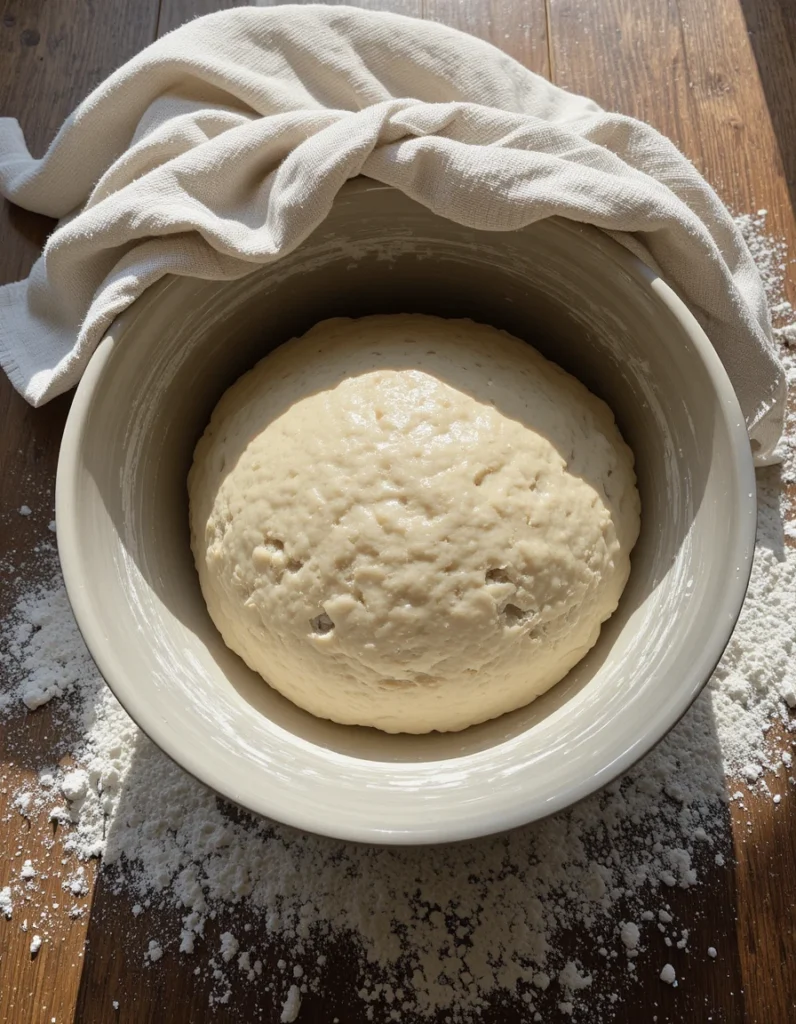
    Place in a lightly oiled bowl, cover, and leave to rise for 1 hour until doubled.

    Step 3: Shape the Buns

    Roll the dough into a rectangle.
    Spread with butter, sprinkle with sugar and cinnamon, then roll up.
    Slice into 10–12 pieces and place on a lined tray.

    Step 4: Second Rise

    Cover and leave for 30–40 minutes until puffed.

    Step 5: Bake

    Bake at 180°C (fan) for 18–22 minutes until lightly golden.

    Step 6: Glaze

    Mix icing sugar with milk and drizzle over slightly warm buns.

    How to Enjoy Them

    These buns are lovely served:

    • warm in the morning light
    • with tea or coffee
    • during a quiet afternoon break
    • shared at a spring gathering
    • packed for a countryside picnic

    Soft, lightly sweet, and comforting.

    Gentle Variations

    To suit the season, try:

    • adding raisins or sultanas
    • orange zest for brightness
    • a honey glaze instead of icing
    • cardamom for a floral warmth
    • a lemon drizzle for a fresher finish

    Each keeps the bake soft and spring-like.

    A Calm Spring Baking Moment

    Spring baking feels especially comforting when:

    • windows are open slightly
    • birdsong drifts in
    • flour dusts the worktop
    • buns cool on a wire rack in sunlight

    Simple baking often becomes the best kind.

    Final Thoughts

    Spiced sweet buns are a perfect spring bake – warm, soft, and gently sweet without feeling heavy. They carry comfort from winter into brighter days, offering a quiet moment to pause and enjoy.

    Warm buns, soft light, and a fresh breeze – a lovely way to welcome the season.

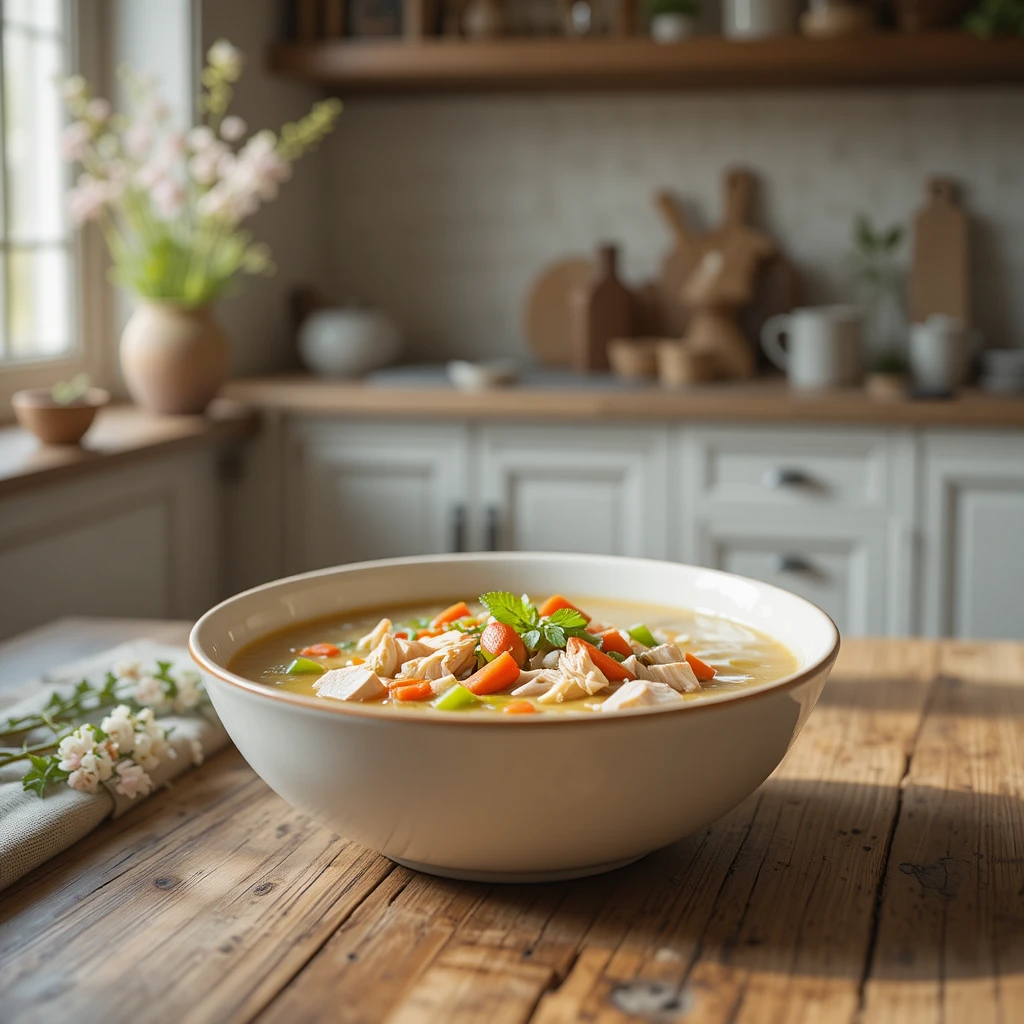
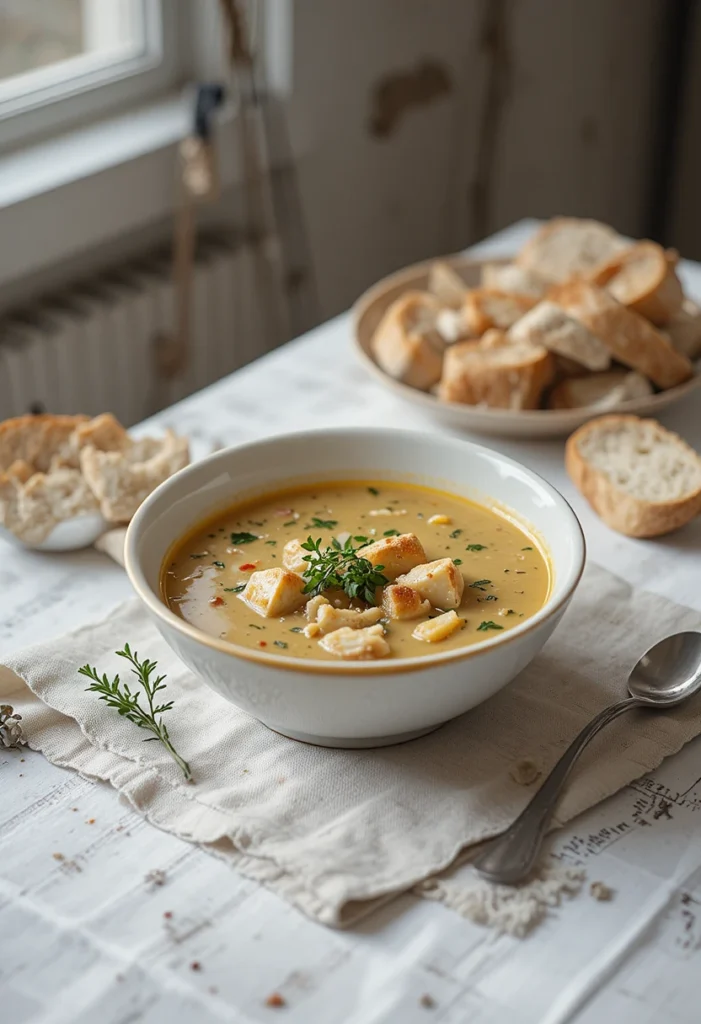
  • Spring Chicken Soup: A Light, Comforting Bowl for Changing Days

    Spring Chicken Soup: A Light, Comforting Bowl for Changing Days

    Spring sits quietly between seasons. The air is fresher, the light brighter, yet there’s still a chill lingering in the mornings and evenings. Chicken soup in spring feels different from its winter counterpart – lighter, fresher, but still comforting.

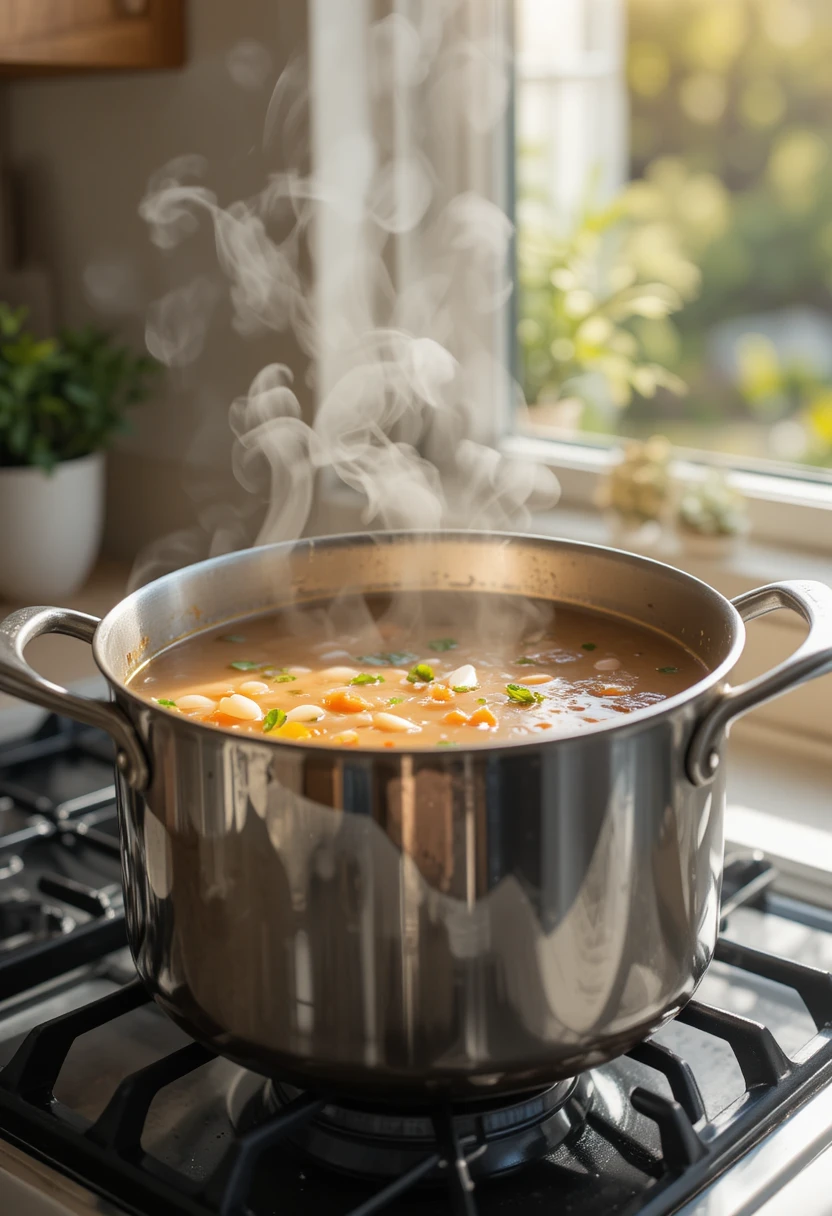
    It’s the kind of meal that suits open windows, gentle sunshine across the worktop, and the simple pleasure of something homemade simmering softly on the hob.

    Why Chicken Soup Works Beautifully in Spring

    Spring cooking calls for balance – warmth without heaviness, comfort without richness. A spring-style chicken soup offers:

    • light, nourishing flavour
    • fresh herbs and vegetables
    • gentle warmth for cooler days
    • a sense of renewal and simplicity

    It bridges the gap between winter’s heartier stews and summer’s lighter meals.

    Ingredients (Serves: 4)

    • 1 tbsp olive oil
    • 1 small onion, finely chopped
    • 2 carrots, diced
    • 1 celery stalk, diced
    • 1 garlic clove, crushed
    • 1 litre good-quality chicken stock
    • 250–300 g cooked chicken, shredded
    • Handful of fresh herbs (parsley or thyme)
    • Salt and freshly ground black pepper
    • Optional: small handful of orzo, rice, or fine noodles

    Recipe

    Step 1: Soften the Vegetables

    Heat the olive oil in a large saucepan.
    Add the onion, carrot, and celery and cook gently for 8–10 minutes, until softened but not coloured.

    Step 2: Add Garlic & Stock

    Stir in the garlic and cook briefly.
    Pour in the chicken stock and bring to a gentle simmer.

    Step 3: Add Chicken

    Add the shredded chicken and simmer for 10–15 minutes.
    If using orzo or rice, add now and cook until tender.

    Step 4: Finish with Freshness

    Stir through fresh herbs and season to taste.
    A squeeze of lemon can add brightness if you like.

    Serve warm, but not overly heavy.

    How to Serve Spring Chicken Soup

    This soup pairs beautifully with:

    • granary or farmhouse bread
    • lightly buttered toast
    • a simple leafy salad
    • a squeeze of lemon
    • fresh herbs scattered on top

    It’s perfect for lunch, a light supper, or even a gentle weekend brunch.

    Light Spring Variations

    To lean further into the season, try:

    • adding peas or spinach at the end
    • using fresh dill for brightness
    • stirring in a spoonful of crème fraîche
    • adding spring onions for a milder flavour
    • keeping it broth-based and clear

    Each version keeps the warmth while feeling light and fresh.

    A Gentle Spring Kitchen Ritual

    Chicken soup in spring feels especially comforting when:

    • windows are open slightly
    • the kitchen smells fresh
    • birdsong drifts in
    • bowls are warmed before serving

    It’s less about richness and more about quiet nourishment.

    Final Thoughts

    Spring chicken soup is comfort in its gentlest form – nourishing, fresh, and perfectly suited to days that sit between cool and warm. It’s simple food, made thoughtfully, and shared without fuss.

    Light broth, tender chicken, fresh herbs – a quiet way to welcome spring into your kitchen.