
Author: Ren Rose

  • Spring Farmhouse Décor: Lightening the Home for the New Season

    Spring Farmhouse Décor: Lightening the Home for the New Season

    As spring arrives, the home begins to change almost without us noticing. The light grows softer and longer, windows open more often, and the cosy heaviness of winter slowly lifts. Spring farmhouse décor isn’t about redecorating – it’s about refreshing. Keeping the warmth and comfort of farmhouse style while letting in air, light, and gentle colour.

    It’s a quiet shift rather than a dramatic one – soft fabrics, natural textures, and simple seasonal touches that make a home feel calm and ready for brighter days.

    The Feeling of a Spring Farmhouse

    Farmhouse style in spring leans lighter and softer than winter. Instead of layered warmth, the focus becomes:

    • fresh air and open space
    • pale natural tones
    • worn wood and linen textures
    • simple seasonal greenery
    • uncluttered surfaces

    The aim is comfort that feels breathable rather than cosy and enclosed.

    Letting in Light

    One of the most noticeable spring changes is light, and farmhouse interiors embrace it.

    Try:

    • pulling curtains fully back during the day
    • switching heavy drapes for lighter fabrics
    • cleaning windows to brighten rooms naturally
    • using mirrors to reflect daylight
    • moving furniture slightly to open space

    A room can feel entirely new just by allowing it to breathe.

    Softening Textiles

    Winter layers give way to lighter textures in spring.

    Swap:

    • thick knit throws → cotton or linen blankets
    • dark cushions → soft neutrals or florals
    • heavy bedding → airy duvets and quilts

    The farmhouse look stays comforting but becomes fresher and gentler.

    Bringing Nature Indoors

    Spring farmhouse décor is rooted in nature – simple and unfussy.

    Add small touches such as:

    • jam jars with fresh flowers
    • branches in ceramic jugs
    • herbs on windowsills
    • woven baskets with greenery
    • bowls of fruit on the table

    Nothing formal – just natural life entering the home.

    The Spring Farmhouse Table

    The dining table becomes a seasonal focal point in spring.

    Keep it simple:

    • linen runner
    • neutral crockery
    • wooden boards
    • small vase of flowers
    • candles for evening softness

    The goal is a table that feels lived-in rather than styled.

    Gentle Seasonal Colour Palette

    Spring farmhouse colours stay soft and calming:

    • cream and warm white
    • soft sage greens
    • muted florals
    • pale wood tones
    • gentle greys and oat shades

    Colour appears in small accents rather than bold statements.

    Editing, Not Replacing

    Spring decorating often comes from removing rather than adding.

    • clear surfaces slightly
    • reduce heavy accessories
    • keep only meaningful pieces
    • allow objects space

    A farmhouse home should feel welcoming, not crowded.

    Final Thoughts

    Spring farmhouse décor is less about changing your home and more about revealing it – letting in light, simplifying gently, and welcoming the season indoors.

    Open windows, fresh flowers, soft linen – a home that feels ready for spring without losing its warmth. 
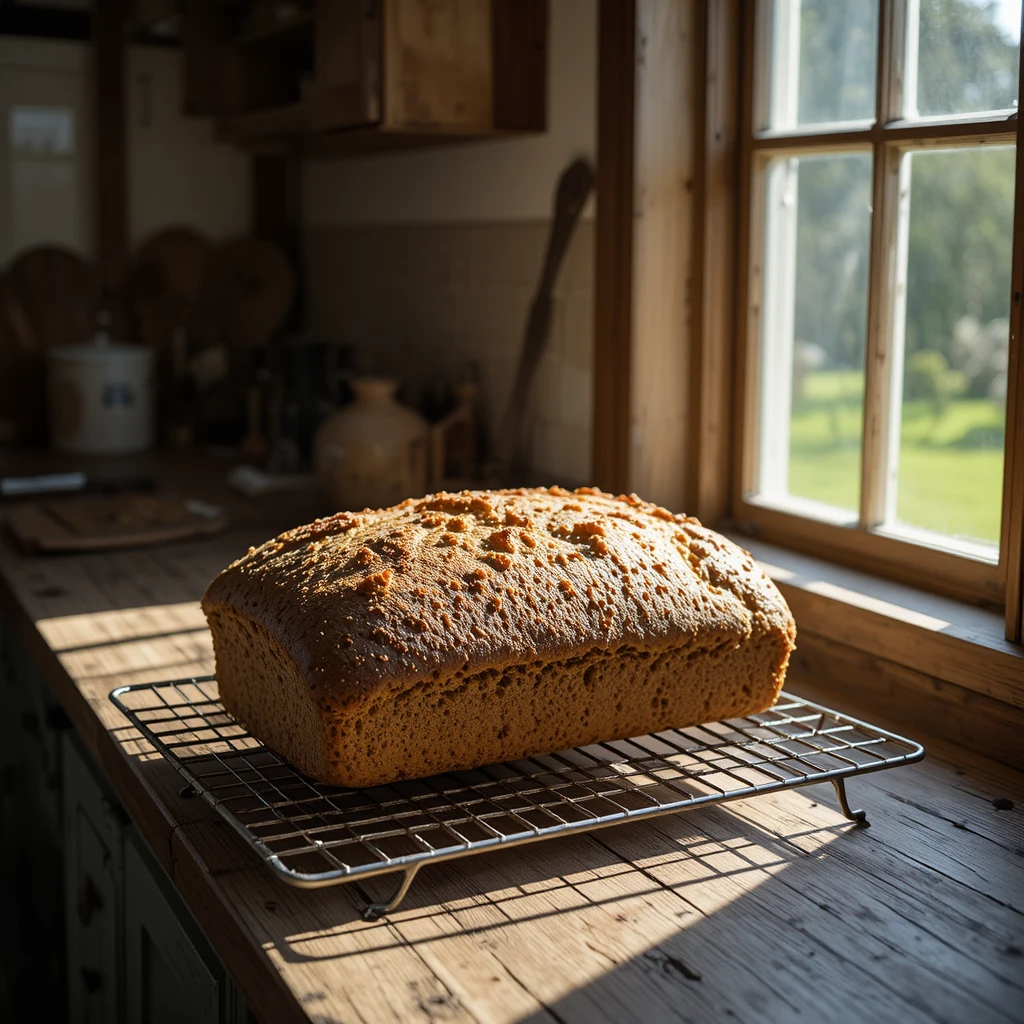
  • Homemade Granary Bread in Spring: A Wholesome Loaf for Brighter Days

    Homemade Granary Bread in Spring: A Wholesome Loaf for Brighter Days

    As spring arrives and the light shifts, baking feels different. Windows open wider, the kitchen fills with fresh air, and there’s a quiet joy in making something simple and nourishing from scratch. Homemade granary bread is perfect for this season – hearty but not heavy, wholesome yet soft, and ideal for everyday spring meals.

    It’s the kind of loaf that sits happily on the kitchen counter, ready to be sliced for breakfast, lunch, or an impromptu afternoon snack.

    Why Granary Bread Feels Right in Spring

    Granary bread sits beautifully between seasons. It has substance without the density of winter loaves, making it perfect for spring’s gentler rhythm.

    It offers:

    • a nutty, earthy flavour
    • soft crumb with texture from malted grains
    • enough warmth for cooler mornings
    • versatility for lighter, seasonal toppings

    It feels grounding, yet ready for brighter days ahead.

    Ingredients (makes: 1 loaf)

    • 500 g granary bread flour
    • 7 g fast-action dried yeast
    • 1 tsp salt
    • 1 tbsp honey or sugar
    • 300 ml warm water
    • 1 tbsp olive oil

    Recipe

    Step 1: Mix the Dough

    In a large bowl, combine the flour, yeast, and salt.
    Add the honey, warm water, and olive oil.
    Mix until a rough dough forms.

    Step 2: Knead

    Turn onto a lightly floured surface and knead for 8–10 minutes, until smooth and elastic.
    Alternatively, use a stand mixer with a dough hook.

    Step 3: First Rise

    Place the dough in a lightly oiled bowl, cover, and leave in a warm place for 1 hour, or until doubled in size.

    Step 4: Shape

    Knock back the dough gently and shape into a loaf.
    Place in a lined or greased loaf tin.

    Step 5: Second Rise

    Cover loosely and leave to rise for 30–40 minutes, until puffed.

    Step 6: Bake

    Bake at 200°C (fan) for 30–35 minutes, until golden and hollow-sounding when tapped.

    Allow to cool on a wire rack before slicing.

    How to Enjoy Granary Bread in Spring

    Homemade granary bread pairs beautifully with fresh, seasonal flavours:

    It’s as suited to simple breakfasts as it is to countryside picnics.

    A Bread for Spring Routines

    There’s something deeply comforting about baking bread in spring:

    • flour dusted surfaces
    • sunlight across the worktop
    • the smell of yeast rising
    • slices cut while still slightly warm

    It brings rhythm and purpose to the kitchen in the gentlest way.

    Create a Calm Spring Baking Moment

    Homemade bread feels especially special when:

    • windows are open
    • birdsong drifts in
    • you knead slowly and unhurriedly
    • you slice it thick and serve simply

    Spring baking doesn’t need to be elaborate – just thoughtful.

    Final Thoughts

    Homemade granary bread is spring comfort at its most wholesome – nourishing, versatile, and quietly satisfying. It’s the kind of loaf that feels right for the season: simple, steady, and full of everyday goodness.

    Fresh air, soft crumb, and a slice still warm from the oven – a beautiful way to welcome spring into your kitchen.

  • Spring Cleaning: A Gentle Reset for Lighter Days

    Spring Cleaning: A Gentle Reset for Lighter Days

    Spring cleaning isn’t about scrubbing every corner or striving for perfection. It’s about opening the windows, letting fresh air move through the house, and gently resetting our spaces after the heaviness of winter. As the days grow longer and the light shifts, our homes naturally ask to feel lighter too.

    In spring, cleaning becomes less of a chore and more of a quiet ritual – one that mirrors the season itself. Slow, thoughtful, and refreshing.

    Why Spring Cleaning Feels Different

    After winter, our homes often feel fuller. Heavier blankets, darker corners, drawers that have quietly filled over the colder months. Spring cleaning isn’t about clearing everything out — it’s about making space.

    Spring cleaning offers:

    • a sense of renewal
    • lighter, fresher rooms
    • calmer mental space
    • a gentle seasonal transition
    • a feeling of readiness for the months ahead

    It’s less about doing more, and more about doing what feels right.

    Start With Air & Light

    Before reaching for cloths or baskets, start simply.

    • open windows, even if only for a few minutes
    • pull curtains wide to let light in
    • switch on lamps instead of overhead lights
    • notice where the house feels stuffy or dark

    Fresh air alone can make a space feel renewed.

    Decluttering, Gently

    Spring decluttering doesn’t need to be drastic. Think soft editing, not clearing out.

    Try:

    • one drawer at a time
    • one shelf per afternoon
    • removing items that feel heavy or unused
    • keeping what still feels comforting or useful

    Ask yourself: Does this still suit the season I’m moving into?

    Spring Cleaning by Area (Without Overwhelm)

    Instead of tackling the whole house, move gently room by room.

    Kitchen

    • wipe shelves and cupboards
    • clear out expired pantry items
    • simplify surfaces

    Living spaces

    • swap heavy throws for lighter ones
    • dust shelves and corners
    • refresh cushions and covers

    Bedroom

    • change bedding for lighter layers
    • tidy bedside drawers
    • air wardrobes

    Hallway

    • clear out winter coats and boots
    • wipe down door handles and switches
    • refresh doormats

    Small changes make a big difference.

    Refresh, Don’t Replace

    Spring cleaning isn’t about buying new things. Often, it’s about making what you already have feel fresh again.

    • wash throws and cushion covers
    • clean windows to let light shine through
    • rearrange furniture slightly
    • bring in flowers or greenery
    • switch to lighter scents

    The goal is freshness, not perfection.

    Make It a Calm Ritual

    Spring cleaning feels best when it’s done slowly.

    • put on gentle music or the radio
    • clean in short bursts
    • stop when it feels enough
    • reward yourself with tea or a break

    This is about care, not productivity.

    Spring Cleaning for the Mind

    Clearing physical space often clears mental space too.

    • fewer visual distractions
    • calmer rooms
    • a sense of readiness
    • more breathing room for new ideas

    Spring cleaning is as much emotional as it is practical.

    Final Thoughts

    Spring cleaning doesn’t need to be loud or overwhelming. It can be quiet, thoughtful, and deeply satisfying – a slow reset that mirrors the season outside.

    Open windows, lighter rooms, calmer days – a gentle way to welcome spring into your home.

  • Spring Lunch: Chicken Mayo Sandwich

    Spring Lunch: Chicken Mayo Sandwich

    A Light, Comforting Bite for Brighter Days

    As spring arrives, lunches begin to feel a little lighter. The windows are open more often, the air feels fresher, and food shifts toward simple, familiar comforts that don’t feel too heavy. A chicken mayo sandwich is a perfect spring lunch – soft, creamy, and satisfying, without weighing you down.

    It’s the kind of lunch that works just as well eaten at the kitchen table in a patch of sunlight as it does packed up for a countryside walk or garden bench picnic.

    Why Chicken Mayo Feels Right in Spring

    Chicken mayo is a classic for good reason, and it suits spring beautifully because it is:

    • light yet filling
    • simple and familiar
    • easy to prepare ahead
    • perfect for picnics and packed lunches
    • adaptable to fresh spring additions

    It bridges the gap between winter comfort and summer lightness with ease.

    Ingredients (serves: 1)

    • 2 slices of bread (white, wholemeal, or granary work well)
    • Butter, for spreading (optional)
    • 80–100 g cooked chicken, finely chopped or shredded
    • 1–2 tbsp mayonnaise
    • Salt and freshly ground black pepper

    Optional spring additions:

    • crisp lettuce or baby leaves
    • sliced cucumber
    • a squeeze of lemon juice
    • fresh herbs such as chives or parsley
    • a pinch of mustard

    How to Make a Chicken Mayo Sandwich

    Step 1: Prepare the Filling

    In a small bowl, mix the chicken with the mayonnaise.
    Season lightly with salt, pepper, and any optional additions.

    Step 2: Prepare the Bread

    Butter the bread lightly if using.
    This adds flavour and helps prevent sogginess for packed lunches.

    Step 3: Assemble

    Spread the chicken mayo evenly over one slice of bread.
    Add lettuce or cucumber if using, then top with the second slice.

    Slice in half and serve.

    Spring Variations

    To gently adapt the sandwich while keeping its springtime feel, try:

    • Chicken Mayo & Cucumber: cool and refreshing
    • Chicken, Mayo & Lemon: bright and fresh
    • Chicken, Mayo & Herbs: light and fragrant
    • Chicken, Mayo & Sweetcorn: classic and comforting
    • Chicken & Light Mayo or Yoghurt: softer and lighter

    Each variation keeps the lunch simple and seasonal.

    When to Enjoy It

    A chicken mayo sandwich is perfect for:

    • springtime lunches at home
    • packed lunches for work or days out
    • garden lunches in mild sunshine
    • picnics and countryside walks
    • quick but satisfying midday meals

    It’s practical, familiar, and quietly comforting.

    Create a Gentle Spring Lunch Moment

    This sandwich feels best when enjoyed:

    • with a cup of tea or a cold drink
    • outside on a bench or garden chair
    • with sunlight on the table
    • eaten slowly, without rushing

    Sometimes, the simplest lunches are the most satisfying.

    Final Thoughts

    The chicken mayo sandwich is spring lunch at its most comforting – simple ingredients, familiar flavours, and a lightness that suits the season perfectly.

    Fresh air, soft bread, and an easy, satisfying bite – a lovely way to enjoy a spring afternoon.

  • Autumn Lunch: Ham & Mustard Sandwich

    Autumn Lunch: Ham & Mustard Sandwich

    A Simple, Savoury Bite for Crisp Days

    As autumn settles in and the days begin to cool, lunches become simpler, heartier, and more comforting. A ham and mustard sandwich is a timeless autumn lunch – unfussy, satisfying, and full of flavour, with soft bread, savoury ham, and just enough mustard warmth to suit the season.

    It’s the kind of lunch you reach for after a countryside walk or on a quiet afternoon at home. Familiar, filling, and deeply comforting in its simplicity.

    Why Ham & Mustard Works So Well in Autumn

    This classic pairing feels especially at home in autumn because it brings together:

    • savoury, gently salty ham
    • the warming bite of mustard
    • soft or lightly toasted bread
    • flavours that feel grounding and familiar

    It’s comforting without being heavy – ideal for autumn afternoons.

    Ingredients (Serves: 1)

    • 2 slices of bread (farmhouse loaf, wholemeal, or granary work beautifully)
    • Butter, for spreading
    • 2–3 slices cooked ham
    • 1–2 tsp mustard (English or wholegrain)

    Optional additions:

    • lettuce or rocket leaves
    • sliced apple for crunch
    • a little mayonnaise
    • cracked black pepper
    • cheddar cheese

    How to Make a Ham & Mustard Sandwich

    Step 1: Prepare the Bread

    Butter one side of each slice of bread.
    Spread mustard lightly on the other side of one slice.

    Step 2: Add the Ham

    Layer the ham evenly over the mustard.
    Add any optional extras if using.

    Step 3: Assemble

    Top with the second slice of bread, slice in half, and serve.

    This sandwich can be enjoyed cold or lightly toasted for extra warmth.

    Autumn Variations

    To gently change the flavour while keeping that cosy autumn feel, try:

    • Ham, Mustard & Cheese: richer and heartier
    • Ham, Mustard & Apple: sweet crunch
    • Ham, Mustard & Pickle: sharp and satisfying
    • Ham, Mustard & Rocket: fresh and peppery
    • Toasted Ham & Mustard: warm and comforting

    Each version suits crisp autumn days beautifully.

    What to Serve With It

    This sandwich pairs wonderfully with:

    • a mug of soup or broth
    • crisps or roasted nuts
    • pickles or chutney
    • an apple or pear
    • a cup of tea

    It’s perfect for lunch, a light supper, or a cosy picnic wrapped in layers.

    Create a Cosy Autumn Lunch Moment

    A ham and mustard sandwich is best enjoyed when:

    • the air outside feels crisp
    • leaves crunch underfoot
    • the kitchen feels warm
    • lunch is eaten slowly, not rushed

    Sometimes the simplest lunches feel the most satisfying.

    Final Thoughts

    The ham and mustard sandwich is autumn lunch at its most familiar and comforting – simple ingredients, classic flavours, and a quiet sense of satisfaction.

    Soft bread, savoury ham, warming mustard – a small pleasure perfectly suited to crisp autumn days. 

  • Winter Lunch: Cheddar & Caramelised Onion Sandwich

    Winter Lunch: Cheddar & Caramelised Onion Sandwich

    A Rich, Comforting Bite for Cold Days

    Winter lunches call for something warm, familiar, and deeply satisfying. A cheddar and caramelised onion sandwich is one of those timeless combinations that feels made for the season – sharp, melted cheese balanced by sweet, slow-cooked onions, all tucked between slices of golden bread.

    It’s unfussy comfort food. The kind of lunch you make when the day feels grey outside and you want something warming without effort – best enjoyed slowly, with a hot drink close by.

    Why Cheddar & Caramelised Onion Works So Well in Winter

    This pairing feels especially at home in winter because it brings together:

    • the sharp richness of mature cheddar
    • the deep sweetness of slowly cooked onions
    • crisp, buttery bread
    • flavours that feel warming and indulgent

    It’s hearty without being heavy, and familiar in the best possible way.

    Ingredients (Serves: 1)

    • 2 slices of bread (sourdough, farmhouse loaf, or granary work beautifully)
    • Butter, for spreading
    • 40–60 g mature cheddar, grated or sliced
    • 2 tbsp caramelised onions (homemade or shop-bought)

    Optional additions:

    • a little wholegrain mustard
    • cracked black pepper
    • a few spinach or rocket leaves
    • a drizzle of balsamic glaze

    How to Make a Cheddar & Caramelised Onion Sandwich

    Step 1: Prepare the Bread

    Butter one side of each slice of bread.
    Turn them over and spread the caramelised onions over the unbuttered side of one slice.

    Step 2: Add the Cheese

    Layer the cheddar evenly over the onions.
    Add any optional extras, then top with the second slice of bread, buttered side facing out.

    Step 3: Toast Gently

    Heat a frying pan over medium-low heat.
    Cook the sandwich for 3–4 minutes per side, pressing lightly, until the bread is golden and the cheese has melted.

    Step 4: Serve Warm

    Slice in half and enjoy straight away while the centre is soft and melty.

    Winter Variations

    To gently change the flavour while keeping that cosy winter feel, try:

    • Cheddar, Onion & Mustard: warming and sharp
    • Cheddar, Onion & Spinach: comforting with freshness
    • Cheddar, Onion & Apple: sweet crunch
    • Cheddar, Onion & Walnut: extra depth and texture
    • Extra Mature Cheddar: for a richer, bolder sandwich

    Each variation keeps that familiar winter comfort.

    What to Serve With It

    This sandwich pairs beautifully with:

    It’s ideal for lunch, a light supper, or a cosy afternoon bite.

    Create a Cosy Winter Lunch Moment

    This is a sandwich best enjoyed when:

    • the kitchen is warm
    • rain taps softly at the window
    • the radio hums quietly
    • you have time to sit and savour

    Sometimes, a simple sandwich is all winter really needs.

    Final Thoughts

    The cheddar and caramelised onion sandwich is winter lunch at its most comforting – warm bread, melted cheese, and slow-cooked sweetness that feels just right for the season. It’s simple, satisfying, and quietly indulgent.

    Golden, melty, and full of warmth – a perfect winter lunchtime classic.

  • Winter Breakfast: Breakfast Muffins

    Winter Breakfast: Breakfast Muffins

    A Warm, Comforting Bake for Slow Mornings

    Winter mornings often begin quietly. The house is still, the light is soft, and there’s something deeply comforting about the smell of baking drifting through the kitchen. Breakfast muffins are perfect for this season – warm from the oven, gently filling, and easy to enjoy slowly with a hot drink in hand.

    Whether sweet or savoury, breakfast muffins feel reassuring and familiar. They’re the kind of breakfast you can make once and enjoy over a few days, bringing a little warmth and ease to winter mornings.

    Why Breakfast Muffins Work So Well in Winter

    Breakfast muffins suit winter beautifully because they are:

    • warm and comforting
    • easy to make ahead
    • filling without being heavy
    • adaptable to sweet or savoury flavours
    • perfect for quiet, unhurried mornings

    They feel homely and practical – exactly what winter breakfasts call for.

    Basic Breakfast Muffin Ingredients (Makes: 8–10 muffins)

    Sweet base:

    • 200 g plain or self-raising flour
    • 1 tsp baking powder (if using plain flour)
    • 75 g sugar (or honey/maple syrup equivalent)
    • 1 egg
    • 150 ml milk
    • 75 g melted butter or oil

    Savoury base:

    • 200 g self-raising flour
    • 1 egg
    • 150 ml milk
    • 50 g melted butter
    • pinch of salt

    Add-ins (choose a few):

    • berries, apple, or banana
    • cinnamon or nutmeg
    • cheese, spinach, or mushrooms
    • cooked bacon or sausage
    • seeds or nuts

    How to Make Breakfast Muffins

    Step 1: Preheat & Prepare

    Preheat your oven to 180°C (fan) and line a muffin tin with cases.

    Step 2: Mix the Dry Ingredients

    In a bowl, combine the flour, baking powder (if needed), sugar or salt, and any spices.

    Step 3: Add the Wet Ingredients

    In a separate bowl, whisk the egg, milk, and melted butter.
    Gently stir into the dry ingredients until just combined.

    Step 4: Add Fillings

    Fold in your chosen add-ins carefully – don’t overmix.

    Step 5: Bake

    Spoon into the muffin cases and bake for 18–22 minutes, until risen and lightly golden.

    Allow to cool slightly before enjoying warm.

    Winter Flavour Ideas

    Breakfast muffins are easy to adapt to winter tastes:

    • Apple & Cinnamon: soft and warming
    • Banana & Nut: comforting and filling
    • Blueberry: gentle sweetness
    • Cheese & Spinach: savoury and nourishing
    • Sausage & Cheese: hearty and cosy

    Each variation keeps that comforting winter feel.

    How to Enjoy Breakfast Muffins

    These muffins are perfect enjoyed:

    • warm with butter melting into the crumb
    • with tea or coffee on a quiet morning
    • after a frosty walk
    • packed for work or school mornings
    • as a late breakfast edging into brunch

    They’re practical, but still feel like a little treat.

    Creating a Cosy Winter Morning

    Breakfast muffins feel especially comforting when:

    • the oven warms the kitchen
    • the kettle is always on
    • the radio hums softly
    • the morning is taken slowly

    Baking once and enjoying all week brings ease and warmth to winter routines.

    Final Thoughts

    Breakfast muffins are winter breakfasts at their most comforting – warm, familiar, and quietly nourishing. Whether sweet or savoury, they offer a gentle start to the day and a little warmth to carry with you.

    Soft crumb, warm oven, quiet mornings – a simple winter pleasure worth savouring.

  • Winter Breakfast: French Toast

    Winter Breakfast: French Toast

    A Golden, Comforting Start to Slow Mornings

    Winter mornings have a quieter rhythm. The light arrives gently, the air feels cold, and there’s a comfort in breakfasts that are warm, familiar, and a little indulgent. French toast is one of those winter breakfasts – soft in the middle, golden at the edges, and made to be enjoyed slowly with a warm drink close by.

    It’s a breakfast that feels nostalgic and nurturing, perfect for weekends, snowy days, or mornings when you want something comforting without rush.

    Why French Toast Feels Perfect in Winter

    French toast suits winter beautifully because it is:

    • warm and softly indulgent
    • comforting without being complicated
    • ideal for using up day-old bread
    • easy to dress up or keep simple
    • perfect for lingering mornings

    Served warm from the pan, it brings a gentle sense of occasion to even the coldest days.

    Ingredients (Serves: 1–2)

    • 2–3 slices of bread (brioche, farmhouse loaf, or thick white bread work well)
    • 2 eggs
    • 100 ml milk or cream
    • ½ tsp vanilla extract (optional)
    • Pinch of cinnamon or nutmeg
    • Butter, for frying

    To serve (optional):

    • honey or maple syrup
    • berries or stewed fruit
    • icing sugar
    • yoghurt or cream

    How to Make French Toast

    Step 1: Prepare the Egg Mixture

    In a shallow bowl, whisk together the eggs, milk or cream, vanilla, and spices.

    Step 2: Soak the Bread

    Dip each slice of bread into the mixture, allowing it to soak briefly on both sides without becoming soggy.

    Step 3: Fry Gently

    Heat a knob of butter in a frying pan over medium heat.
    Cook the bread for 2–3 minutes per side, until golden and lightly crisp at the edges.

    Step 4: Serve Warm

    Transfer to a warm plate and add your favourite toppings.
    Serve immediately while soft and comforting.

    Winter Topping Ideas

    French toast is endlessly adaptable and easy to lean into winter flavours:

    • honey and cinnamon
    • stewed apples or pears
    • berries warmed gently on the hob
    • yoghurt and nuts
    • maple syrup and butter
    • banana and nut butter

    Each topping adds a slightly different mood while keeping that cosy winter feel.

    Creating a Cosy Winter Morning

    French toast is best enjoyed when the morning is unhurried:

    • curtains opened to pale winter light
    • kettle boiling nearby
    • plates warmed before serving
    • phones set aside for a few minutes

    It’s a breakfast that encourages you to sit, savour, and slow down.

    When French Toast Fits Best

    This winter breakfast is perfect for:

    • slow weekends
    • post-walk mornings
    • snowy or frosty days
    • brunch at home
    • mornings when comfort comes first

    It also makes a lovely late breakfast when the day begins slowly.

    Final Thoughts

    French toast is winter breakfast at its most comforting – warm, golden, and quietly indulgent. It doesn’t demand much, just a warm pan and a little time, and in return it offers calm, comfort, and a gentle start to the day.

    Soft centres, crisp edges, and slow winter mornings – a simple pleasure worth savouring. 

  • Winter Breakfast: Cheese Omelette

    Winter Breakfast: Cheese Omelette

    A Warm, Comforting Start to Cold Mornings

    Winter mornings often call for something soft, savoury, and deeply comforting. A cheese omelette is one of those breakfasts that feels timeless – gently cooked eggs folded around melted cheese, warm from the pan and best enjoyed slowly.

    It’s simple food, made with care. The kind of breakfast that warms the kitchen, steadies the morning, and offers a moment of quiet before the day begins.

    Why a Cheese Omelette Feels Perfect in Winter

    A cheese omelette suits winter beautifully because it is:

    • warm and nourishing
    • soft and comforting
    • quick to prepare, yet unhurried
    • satisfying without being heavy
    • endlessly adaptable

    Served straight from the pan, it’s exactly the kind of breakfast you want on a cold morning when the light is slow to arrive.

    Ingredients (Serves: 1)

    • 2–3 large eggs
    • 1 tbsp milk or cream (optional)
    • Small knob of butter
    • 30–40 g cheese, grated (cheddar works beautifully)
    • Salt and freshly ground black pepper

    Optional additions:

    How to Make a Soft Winter Cheese Omelette

    Step 1: Whisk the Eggs

    Crack the eggs into a bowl, add the milk or cream if using, and whisk gently.
    Season lightly with salt and pepper.

    Step 2: Warm the Pan

    Heat the butter in a non-stick pan over low to medium heat until melted and foaming.

    Step 3: Cook Gently

    Pour in the eggs and let them settle.
    As the edges begin to set, gently draw the egg towards the centre with a spatula.

    Step 4: Add the Cheese

    Sprinkle the cheese evenly over the omelette while the centre is still soft.

    Step 5: Fold & Serve

    Fold the omelette gently and cook for another minute until the cheese has melted.
    Serve immediately while warm and comforting.

    How to Serve a Cheese Omelette

    This winter breakfast is lovely served with:

    It works just as well for a slow breakfast as it does for brunch.

    Winter Variations

    To gently adapt the omelette while keeping its cosy feel:

    • Cheese & Mushroom Omelette: earthy and warming
    • Cheese & Leek Omelette: soft and sweet
    • Cheese & Spinach Omelette: nourishing and light
    • Cheese & Herb Omelette: fragrant and fresh
    • Extra Cheesy Omelette: indulgent and comforting

    Each variation keeps that familiar, winter-ready warmth.

    Creating a Slow Winter Morning

    A cheese omelette is best enjoyed when:

    • the kitchen is quiet
    • the pan warms the room
    • the day hasn’t yet rushed in
    • you sit down and eat without hurry

    It’s a small act of care that makes winter mornings feel softer.

    Final Thoughts

    A cheese omelette is winter breakfast at its most comforting – warm eggs, melted cheese, and a quiet moment before the day begins. It’s simple, reliable, and always satisfying.

    Soft, savoury, and gently warming – a perfect way to welcome a winter morning. 

  • Winter Lunch: Roast Chicken & Stuffing Sandwich

    Winter Lunch: Roast Chicken & Stuffing Sandwich

    A Comforting Classic for Cold Days

    Winter lunches often come from what’s already in the kitchen – leftovers from a Sunday roast, bread on the counter, and the desire for something warm and familiar. A roast chicken and stuffing sandwich is one of those quietly perfect winter meals. Hearty, comforting, and full of nostalgic flavour, it turns leftovers into something truly satisfying.

    It’s the kind of lunch you make when the weather is cold outside, the house is warm, and you want something filling without fuss – a plate you can enjoy slowly, with a mug of tea close by.

    Why Roast Chicken & Stuffing Feels So Right in Winter

    This combination feels made for the colder months because it brings together:

    • tender, savoury roast chicken
    • herby, comforting stuffing
    • soft or lightly toasted bread
    • flavours that feel familiar and grounding

    It’s rich without being heavy, and comforting in a way that feels deeply seasonal.

    Ingredients (Serves: 1)

    • 2 slices of bread (farmhouse loaf, sourdough, or wholemeal work beautifully)
    • Butter, for spreading
    • 80–100 g cooked roast chicken, sliced or shredded
    • 2–3 tbsp stuffing (sage & onion works perfectly)

    Optional additions:

    • a spoon of gravy or chicken jus
    • cranberry sauce
    • lettuce or spinach leaves
    • mayonnaise
    • cracked black pepper

    How to Make a Roast Chicken & Stuffing Sandwich

    Step 1: Prepare the Bread

    Butter one side of each slice of bread.
    If you prefer, lightly toast the bread for extra warmth and structure.

    Step 2: Layer the Fillings

    Place the chicken evenly over one slice of bread.
    Add the stuffing on top, gently pressing it down.

    Step 3: Add Extras (Optional)

    A spoon of gravy adds richness, while cranberry sauce brings a hint of sweetness – both work beautifully in winter.

    Step 4: Assemble & Serve

    Top with the second slice of bread, slice in half, and serve immediately while everything is still warm.

    Winter Variations

    To gently change the sandwich while keeping its cosy feel, try:

    • Chicken, Stuffing & Cranberry: classic winter sweetness
    • Chicken, Stuffing & Gravy: rich and indulgent
    • Chicken, Stuffing & Mayo: soft and comforting
    • Chicken, Stuffing & Greens: balanced and fresh
    • Toasted Version: warm and crisp on cold days

    Each version keeps that familiar winter comfort at its heart.

    What to Serve With It

    This sandwich pairs beautifully with:

    Perfect for lunch, a light supper, or a cosy afternoon bite.

    Create a Cosy Winter Lunch Moment

    This is the kind of lunch best enjoyed:

    • when the kitchen is quiet
    • with rain or frost outside
    • eaten sitting down, not rushed
    • using leftovers that still feel special

    Sometimes the simplest meals are the most comforting.

    Final Thoughts

    The roast chicken and stuffing sandwich is winter lunch at its most comforting – familiar flavours, simple ingredients, and that quiet satisfaction that only a good sandwich can bring.

    Warm bread, savoury filling, and a slow winter afternoon – a perfect way to enjoy the season.