Category: Spring Blossoms

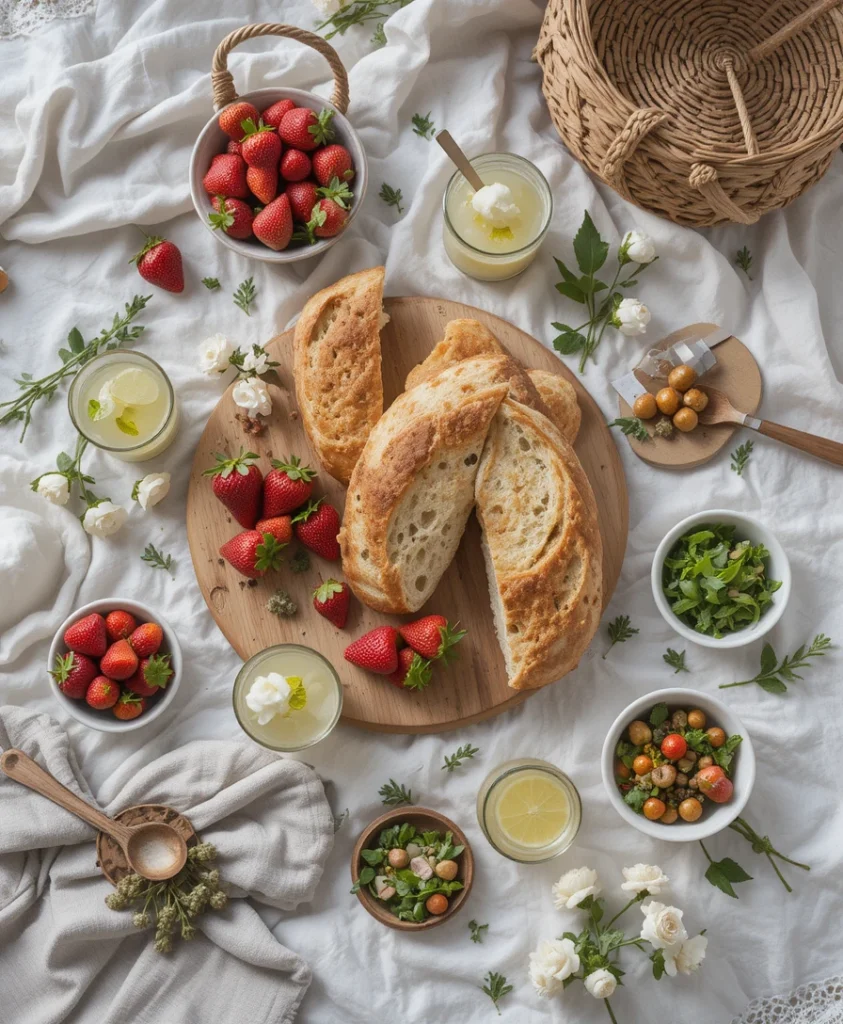
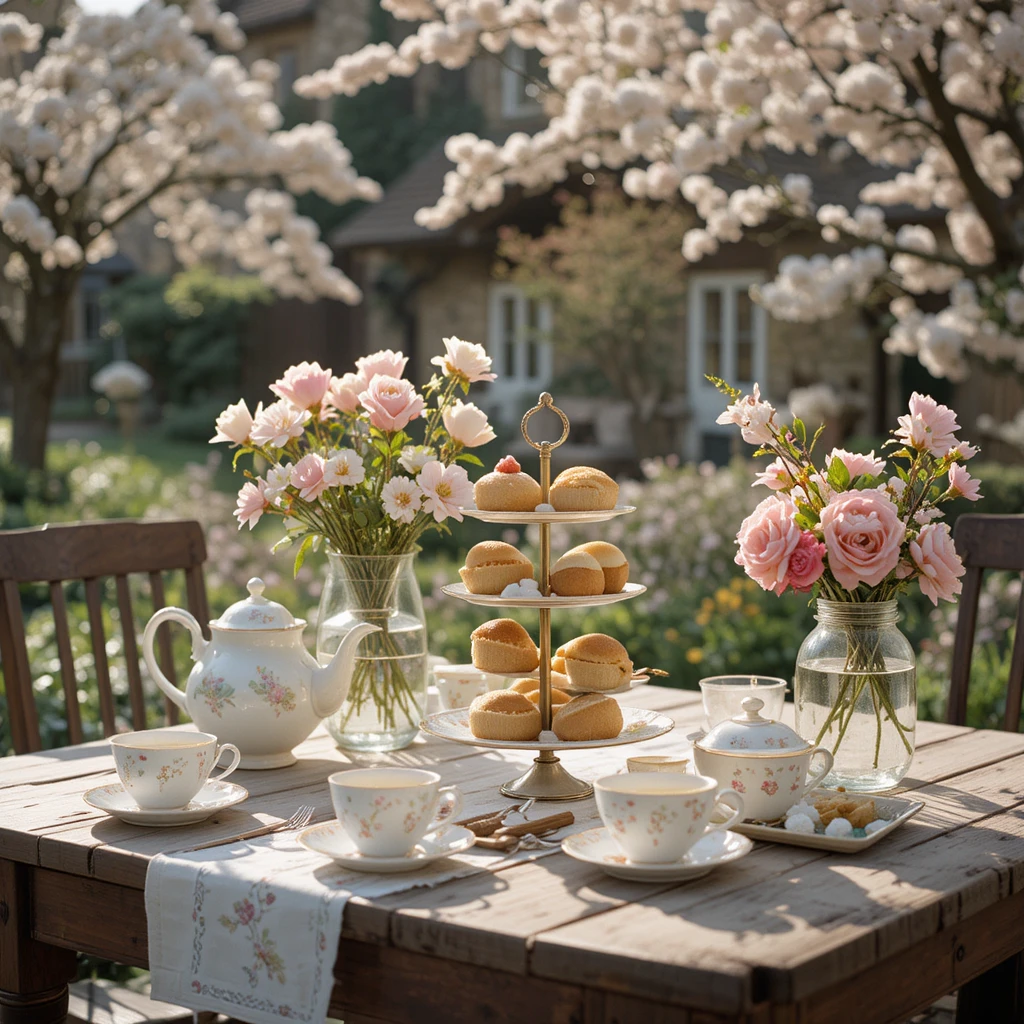
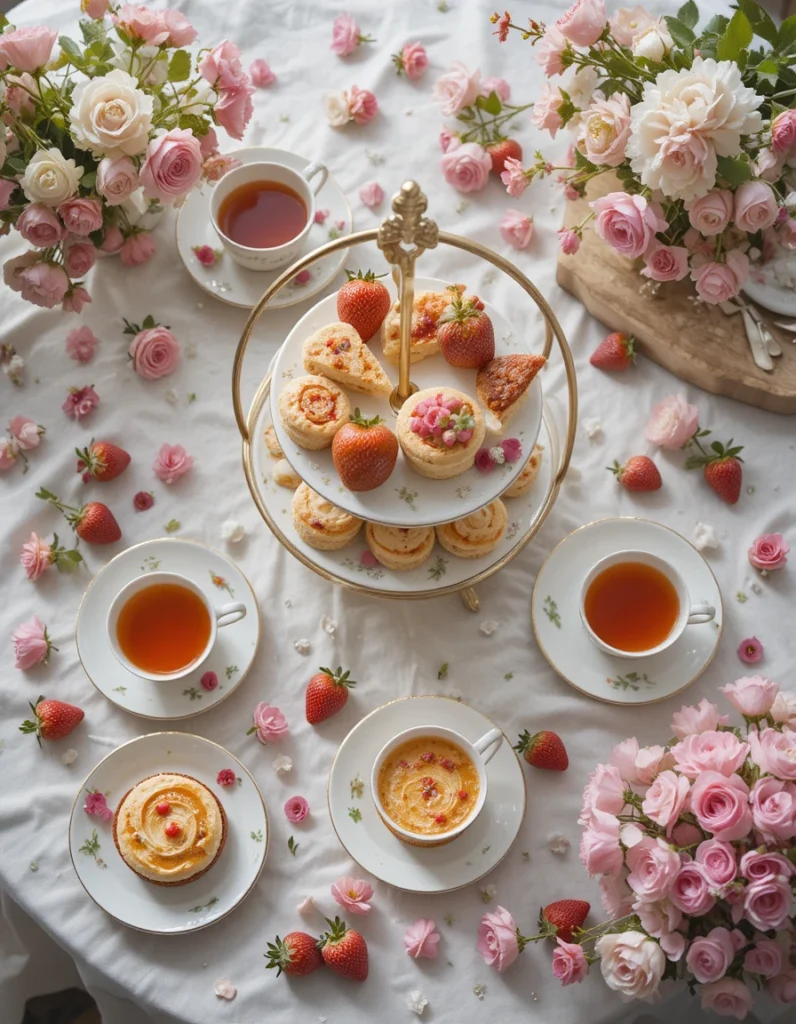
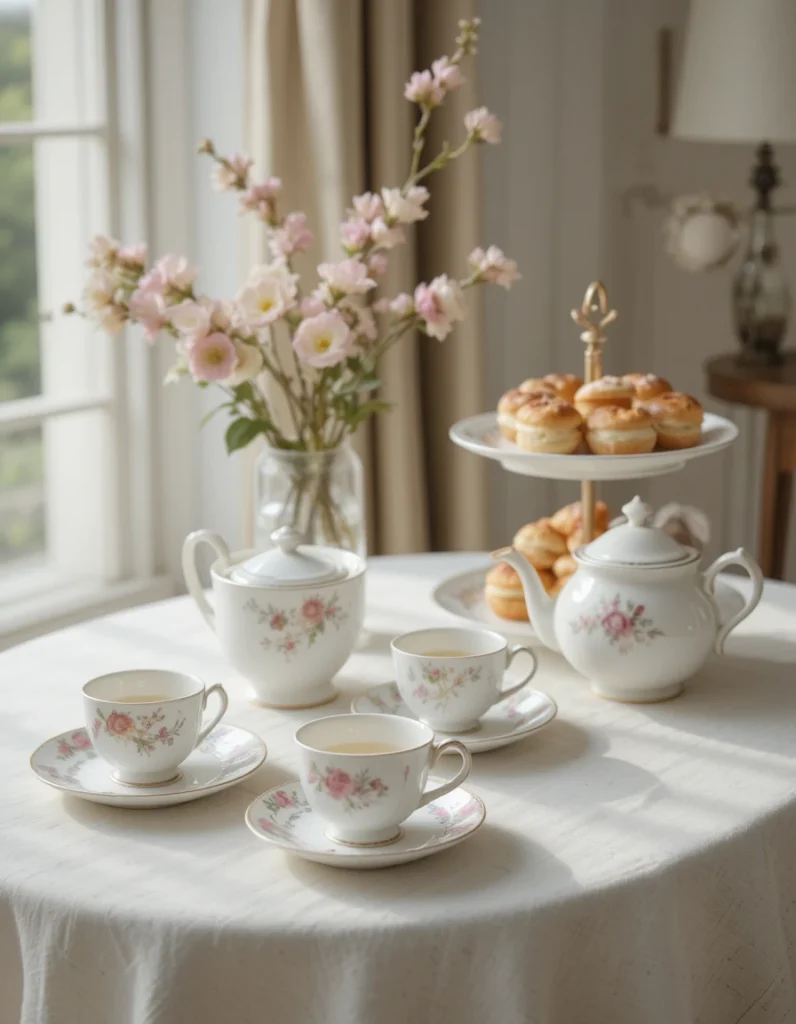
  • Spring Afternoon Tea: A Gentle Celebration of the Season

    Spring Afternoon Tea: A Gentle Celebration of the Season

    Spring is a season that invites us to slow down.

    The days grow longer, blossom begins to appear on trees, and the air carries a softness that feels quietly hopeful. It is the perfect time to embrace small rituals that celebrate the changing season.

    One of the loveliest of these is afternoon tea.

    A spring afternoon tea doesn’t need to be elaborate. A few thoughtful bakes, delicate sandwiches, and a pot of tea shared in gentle conversation can turn an ordinary afternoon into something memorable.

    It is a simple way to welcome the season – with fresh flavours, light sweetness, and time spent together.

    Why Afternoon Tea Feels Perfect in Spring

    Spring naturally lends itself to lighter, more delicate foods. The flavours of the season tend to be:

    • Fresh
    • Floral
    • Citrus-bright
    • Lightly sweet

    Afternoon tea embraces these qualities beautifully. Small portions allow you to enjoy a variety of seasonal treats without feeling heavy. It also creates space for something we often overlook – a pause in the middle of the day. A moment to sit, talk, and enjoy something carefully prepared.
    What to Serve at a Spring Afternoon Tea

    A traditional afternoon tea usually includes a mixture of savoury bites, sweet bakes, and freshly brewed tea.

    For a spring table, keep the menu light and seasonal.

    Savoury Options

    These simple savoury bites balance the sweetness of the baked treats.

    Sweet Treats

    Spring desserts often highlight fresh fruit and light flavours. Lovely options include:

    • Homemade shortbread
    • Lemon drizzle loaf
    • Victoria sponge slices
    • Fresh strawberries with cream
    • Small berry tarts

    Keeping the portions small allows guests to enjoy a variety of flavours.

    Drinks to Serve

    Tea is, of course, the centrepiece of afternoon tea. Some lovely spring choices include:

    • English breakfast tea
    • Earl Grey
    • Chamomile tea
    • Green tea with lemon

    You might also offer refreshing drinks such as:

    Light drinks complement the delicate food beautifully.

    Creating a Beautiful Spring Table

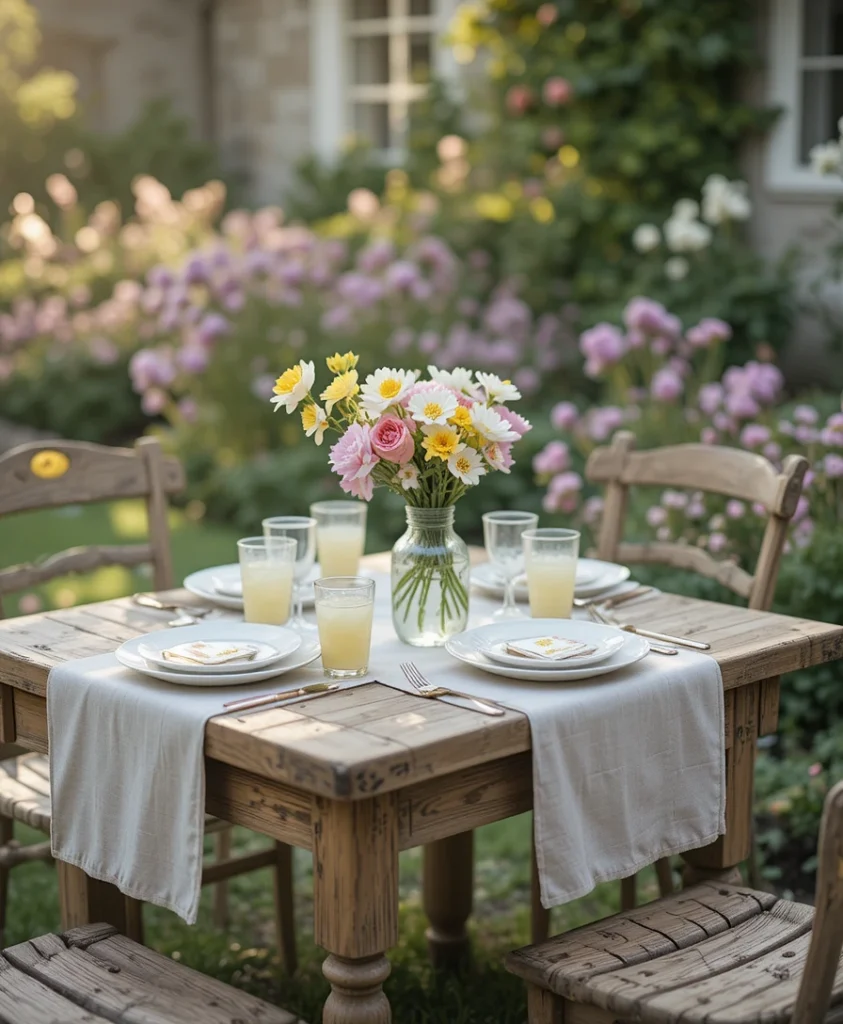
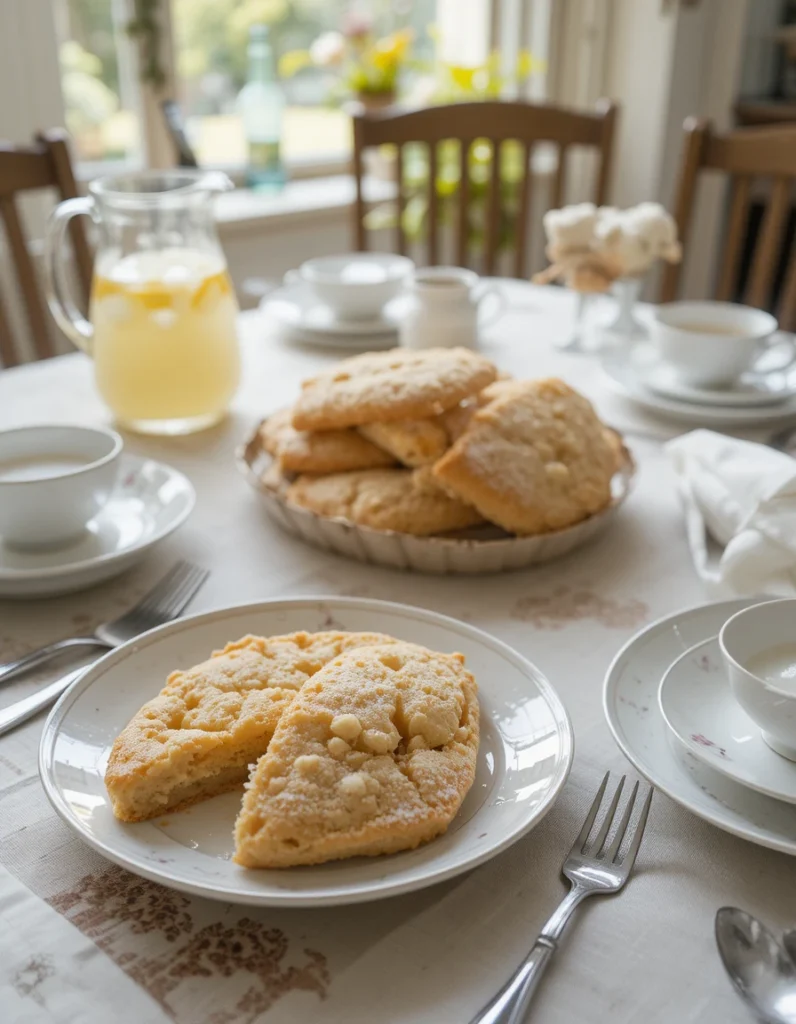
    Part of the charm of afternoon tea is the atmosphere. A few small details can make the experience feel special without requiring elaborate preparation.

    Consider including:

    • A linen tablecloth or soft napkins
    • Fresh spring flowers in a small vase
    • Simple ceramic plates
    • A tiered cake stand
    • A teapot and matching cups

    Natural light and soft colours help create the relaxed elegance that suits the season.

    Enjoying Afternoon Tea Outdoors

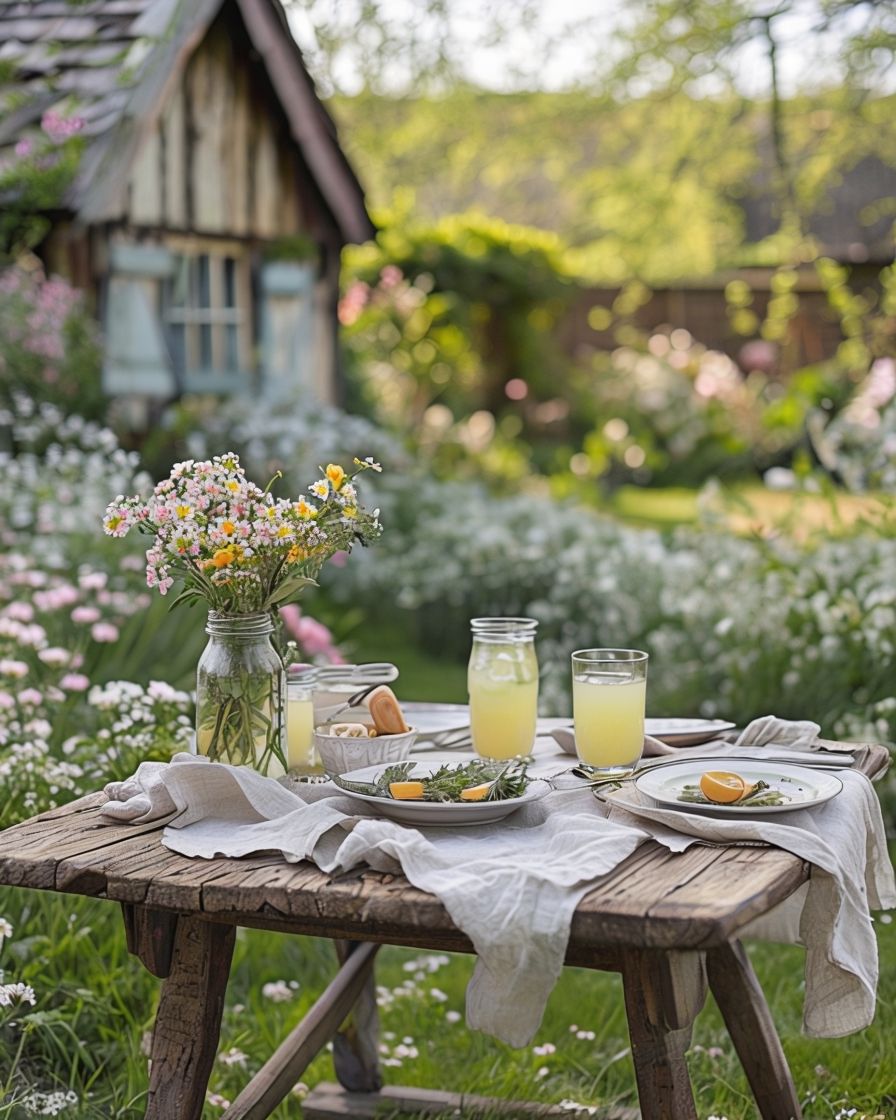
    If the weather allows, spring afternoon tea can be even more enjoyable outdoors. A garden table, a blanket in the park, or a quiet countryside spot can transform tea into a memorable experience.

    Outdoor afternoon tea pairs beautifully with:

    • Fresh air
    • Blossom-filled trees
    • Gentle conversation
    • Slow afternoons

    It turns an ordinary meal into a small seasonal tradition.

    Final Thoughts

    Afternoon tea is more than a meal.

    It is a moment of calm in the middle of the day – a chance to pause, enjoy good food, and spend time with others. In a busy world, these quiet rituals feel increasingly valuable.

    Spring encourages us to notice simple pleasures: warm sunlight, fresh flowers, and shared moments around a table.

    An afternoon tea, prepared with care and enjoyed slowly, captures all of that.

    And sometimes, that gentle pause is exactly what the season calls for.
  • Cucumber Mint Cooler: A Fresh & Cooling Spring Mocktail

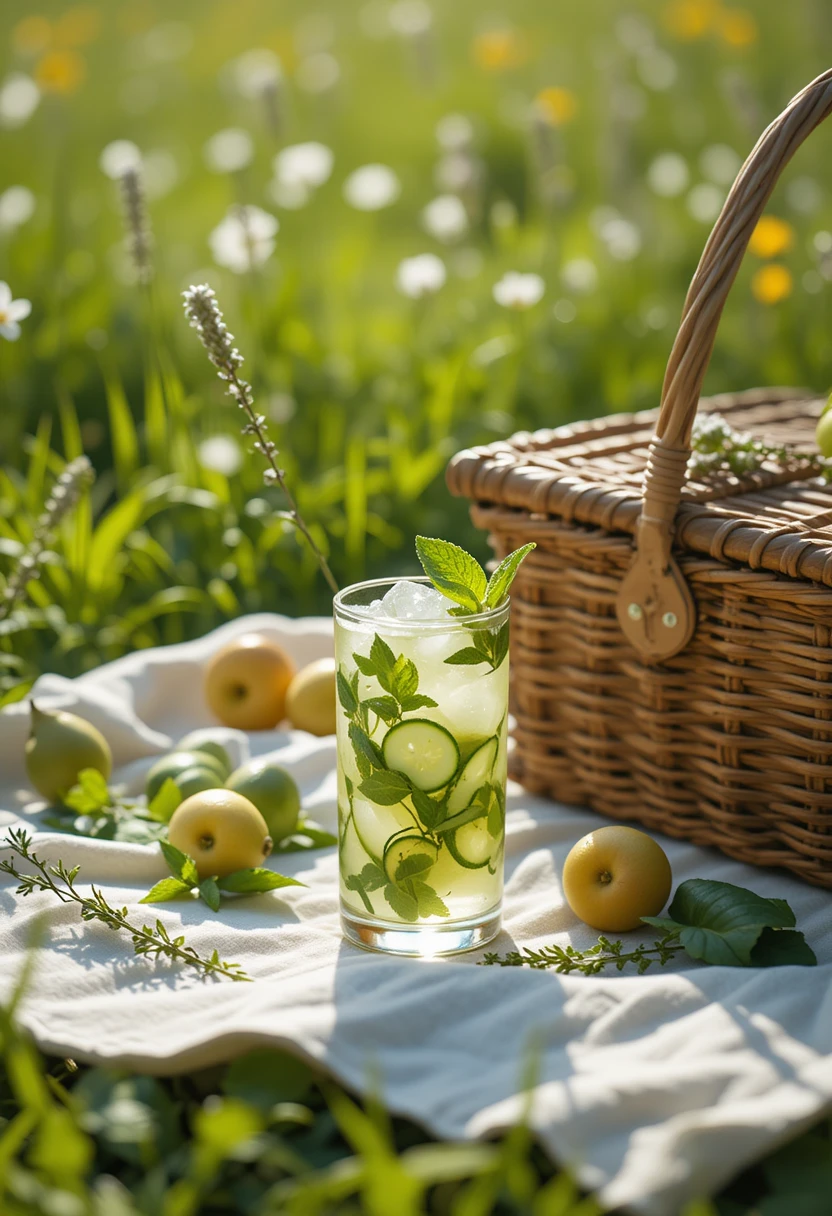
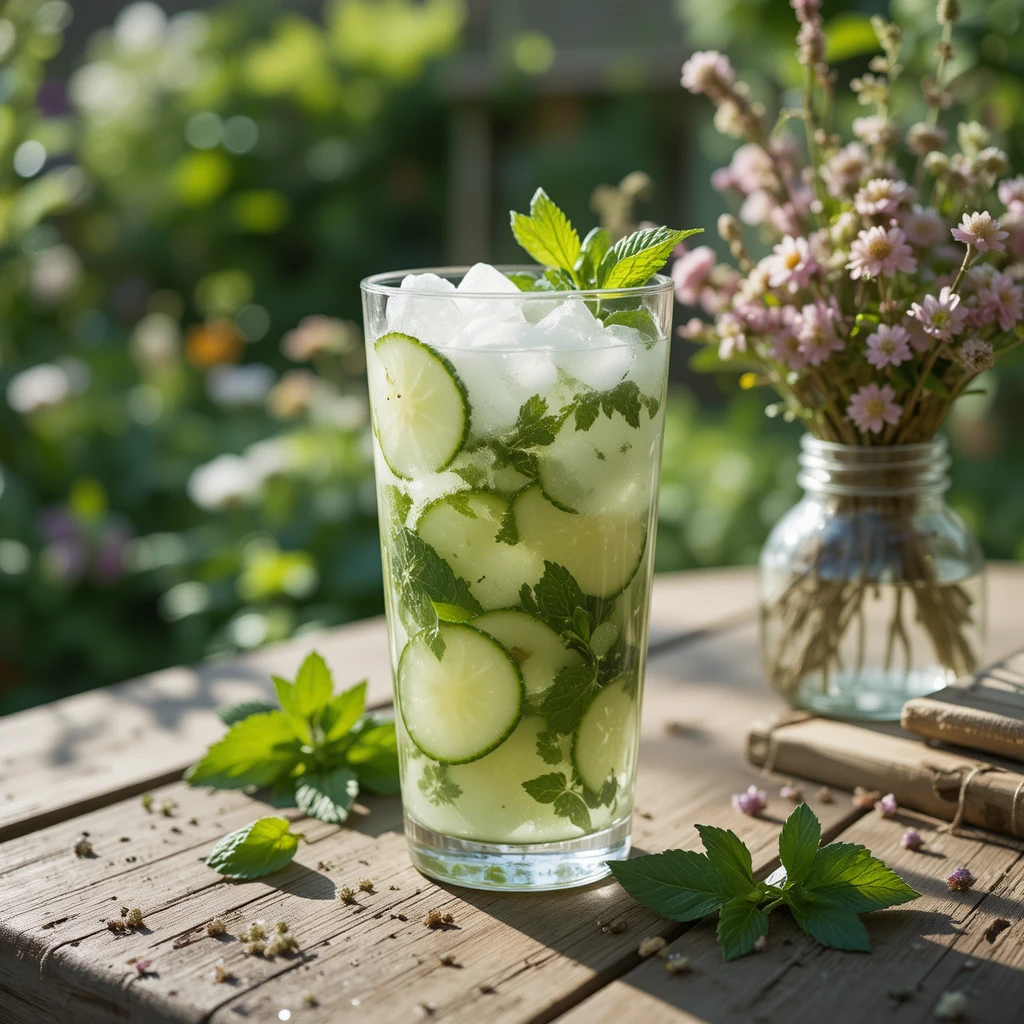
    Cucumber Mint Cooler: A Fresh & Cooling Spring Mocktail

    As the days begin to warm and the light lingers longer in the evenings, our drinks start to shift towards something lighter and more refreshing.

    The cucumber mint cooler is the perfect spring mocktail – crisp, clean, and beautifully simple. Fresh cucumber brings a cooling softness, while mint adds brightness and fragrance. Finished with sparkling water and a squeeze of lime or lemon, it becomes a drink that feels effortlessly seasonal.

    It’s the kind of drink you might prepare on a quiet afternoon with the windows open, or pour into glasses during a garden lunch with friends. Light, refreshing, and gently uplifting.

    Why Cucumber & Mint Feel Perfect for Spring

    Spring drinks often highlight ingredients that feel fresh and revitalising.

    Cucumber offers:

    • Natural hydration
    • A delicate flavour
    • Crisp freshness

    Mint brings:

    • Bright herbal notes
    • A cooling finish
    • A fragrance that instantly feels refreshing

    Together they create a drink that feels clean, calming, and wonderfully suited to the season.

    Cucumber Mint Cooler Recipe (Serves: 2)

    Prep time: 5 minutes

    Ingredients

    • 500ml sparkling water (chilled)
    • ½ cucumber, thinly sliced
    • Small handful fresh mint leaves
    • Juice of ½ lime or lemon
    • Ice cubes

    Optional additions:

    • 1 teaspoon honey or simple syrup
    • A few fresh strawberries
    • Thin cucumber ribbons for garnish

    Recipe

    Step 1: Prepare the cucumber and mint

    Add the cucumber slices and mint leaves to a jug or large glass. Gently press them with the back of a spoon to release their natural flavour.

    Step 2: Add citrus

    Pour in the lime or lemon juice and stir lightly. If you prefer a slightly sweeter drink, add a small spoon of honey or simple syrup.
    Step 3: Add ice and sparkling water

    Fill glasses with ice cubes. Pour the cucumber and mint mixture evenly into each glass, then top with chilled sparkling water. Stir gently to combine.

    Step 4: Garnish and serve

    Add a sprig of mint and a slice of cucumber to each glass for a simple, fresh finish. Serve immediately while the drink is crisp and chilled.

    How to Serve a Cucumber Mint Cooler

    This mocktail pairs beautifully with light spring meals such as:

    It’s perfect for:

    • Spring picnics
    • Garden lunches
    • Afternoon tea
    • Outdoor gatherings
    • Quiet afternoons in the sunshine

    Serve in clear glasses or a glass jug so the cucumber and mint can be seen floating in the drink.

    Gentle Variations

    To keep this drink aligned with spring, you could:

    • Add crushed raspberries for colour
    • Include a splash of elderflower cordial
    • Replace lime with lemon
    • Add fresh basil alongside the mint
    • Use sparkling lemonade instead of water

    Small adjustments can give the drink a slightly different seasonal character.

    Final Thoughts

    There is something calming about a drink made from fresh ingredients.

    The scent of mint, the cool crispness of cucumber, and the gentle fizz of sparkling water combine to create a moment of refreshment.

    Spring often encourages us to slow down and enjoy the small details – the warmth of sunlight, a breeze through the garden, a drink shared with someone nearby. A cucumber mint cooler fits perfectly into those moments. Simple, refreshing, and quietly elegant.

  • Sparkling Lemon Water: A Simple & Refreshing Spring Drink

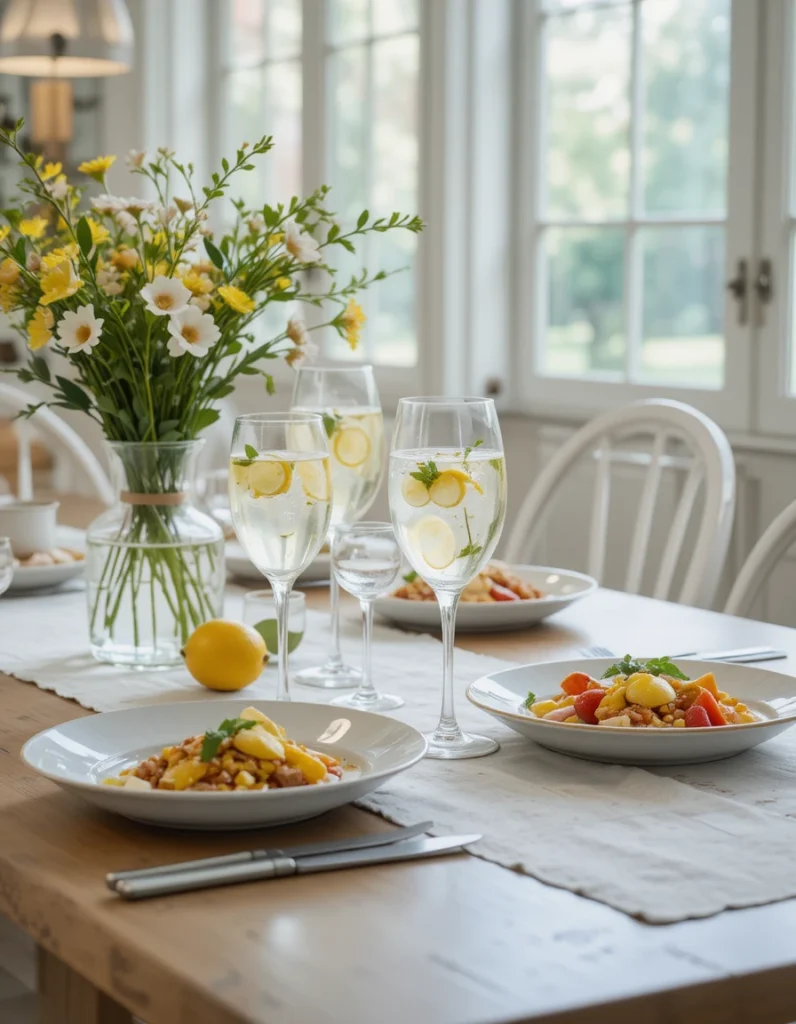
    Sparkling Lemon Water: A Simple & Refreshing Spring Drink

    As spring arrives, the drinks we reach for begin to change.

    Warm teas and cosy winter drinks slowly give way to lighter, brighter refreshment. Something crisp, clean, and gently uplifting. Sparkling lemon water captures that feeling perfectly.

    With just a few ingredients – fresh lemon, chilled sparkling water, and a hint of sweetness if desired – this drink becomes effortlessly refreshing. It’s simple enough for everyday afternoons, yet elegant enough to place on the table during a garden lunch.

    Sometimes the most refreshing drinks are also the simplest.

    Why Lemon Feels Perfect for Spring

    Lemon brings brightness and clarity to food and drinks.

    Its flavour is:

    • Fresh
    • Lightly tart
    • Naturally uplifting

    In spring, lemon pairs beautifully with herbs, berries, and delicate seasonal dishes. It cuts through richness and adds a clean finish to meals.

    Sparkling lemon water feels especially suited to:

    • Garden lunches
    • Picnics
    • Light afternoon meals
    • Spring gatherings

    A drink that refreshes without overpowering.

    Sparkling Lemon Water Recipe (Serves: 2)

    Prep time: 5 minutes

    Ingredients

    • 500ml chilled sparkling water
    • Juice of ½–1 fresh lemon
    • 2–3 thin lemon slices
    • Ice cubes

    Optional additions:

    • 1 teaspoon honey or maple syrup
    • Fresh mint leaves
    • A few cucumber slices
    • A handful of fresh berries

    Recipe

    Step 1: Prepare the glasses

    Fill two tall glasses with ice cubes. Add a slice of fresh lemon to each glass.

    Step 2: Add lemon juice

    Squeeze the juice of half a lemon into the glasses. Adjust depending on how tart you prefer the drink.

    Step 3: Pour the sparkling water

    Slowly pour chilled sparkling water over the lemon and ice. Stir gently to combine.

    Step 4: Garnish lightly

    Add mint leaves, cucumber slices, or berries if desired. Serve immediately while the drink is crisp and chilled.

    How to Serve Sparkling Lemon Water

    This drink pairs beautifully with light spring meals such as:

    It works especially well for:

    • Spring picnics
    • Garden lunches
    • Afternoon tea
    • Outdoor gatherings
    • Quiet midday breaks

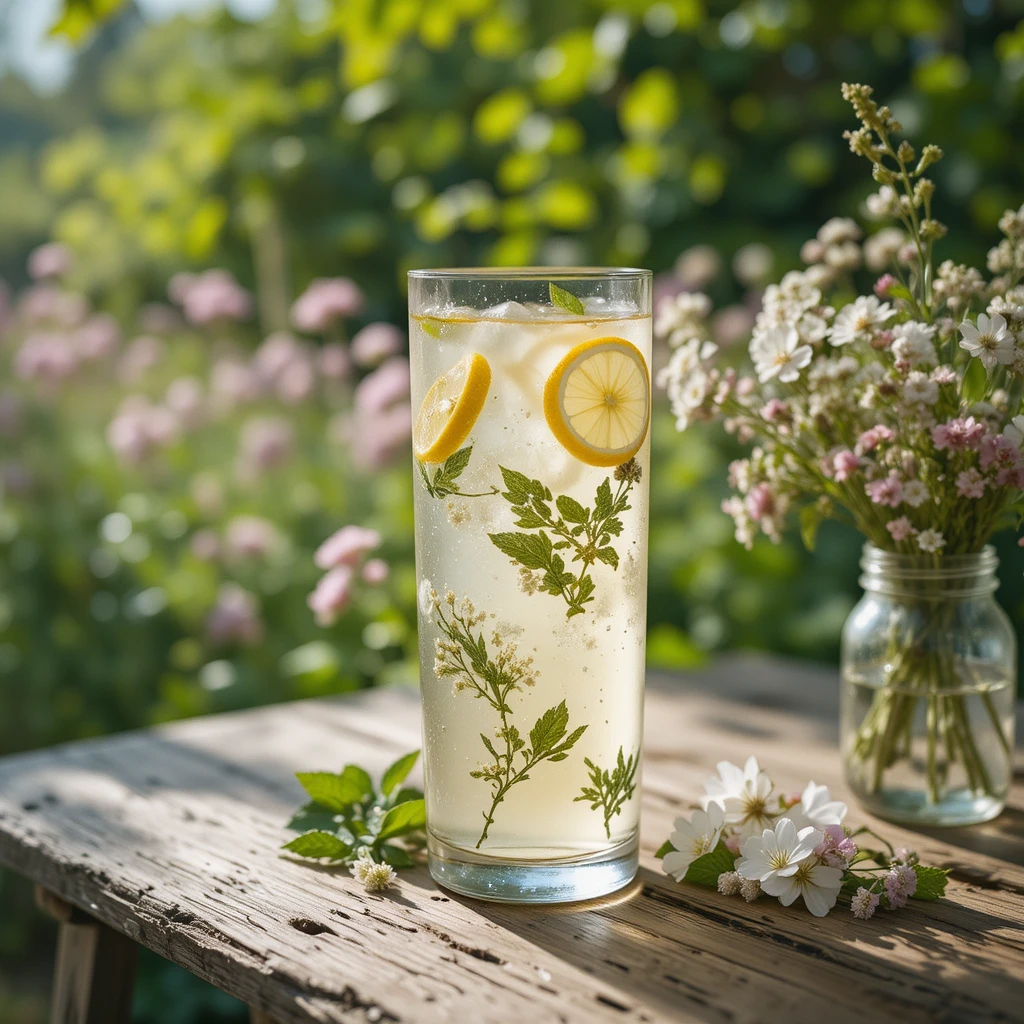
    Serve in clear glasses or a glass jug so the lemon slices catch the light.

    Gentle Variations

    To keep this drink aligned with the season, you could:

    • Add fresh mint for a cooling finish
    • Include cucumber slices for extra freshness
    • Add crushed raspberries for colour
    • Replace honey with elderflower cordial
    • Add lemon zest for stronger citrus flavour

    Small variations allow the drink to feel slightly different each time.

    Final Thoughts

    Spring often encourages us to simplify.

    Fresh air through open windows. Light meals at the table. Simple drinks shared slowly in the afternoon sun.

    Sparkling lemon water reflects that simplicity beautifully.

    Bright, refreshing, and quietly elegant, it doesn’t try to compete with the moment – it simply complements it.

    Sometimes the smallest details make the season feel complete.

  • Spring Picnics: A Gentle Way to Celebrate the Season

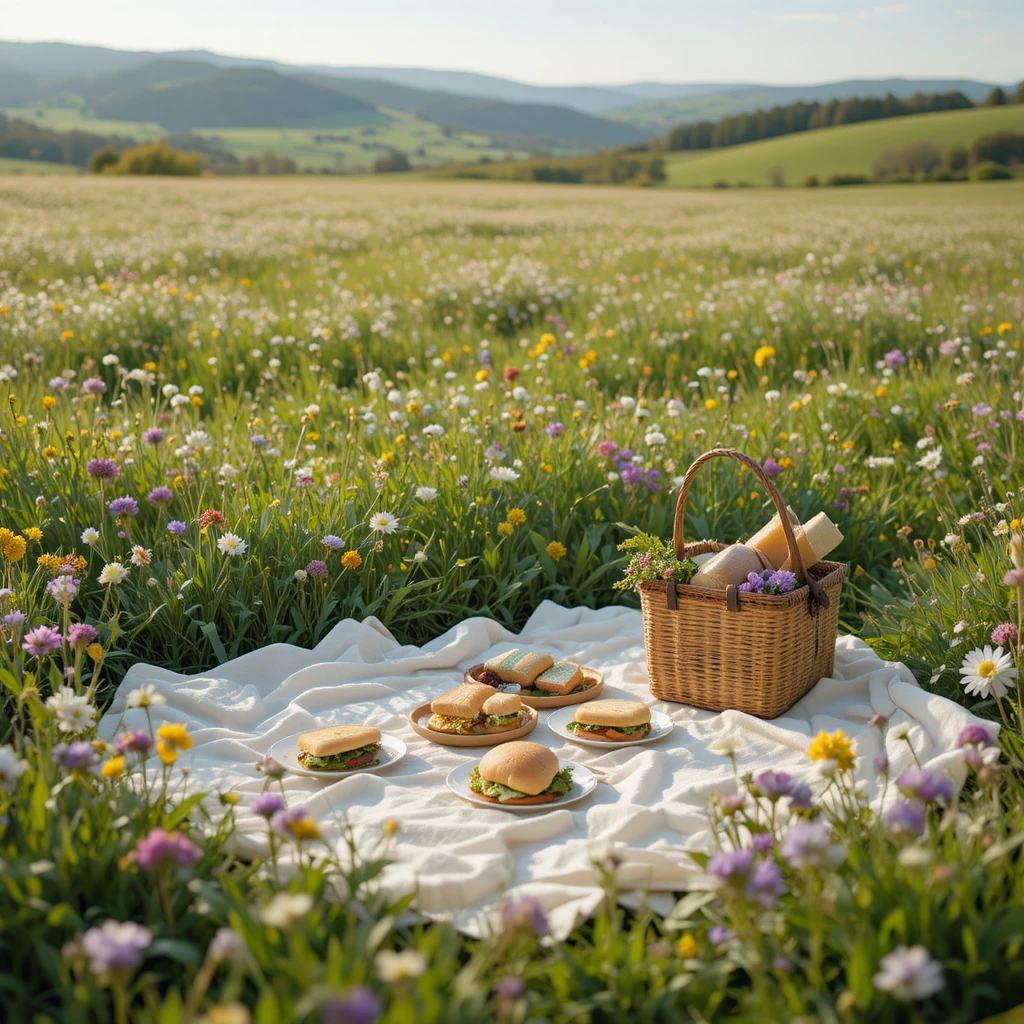
    Spring Picnics: A Gentle Way to Celebrate the Season

    There is something special about the first picnic of spring.

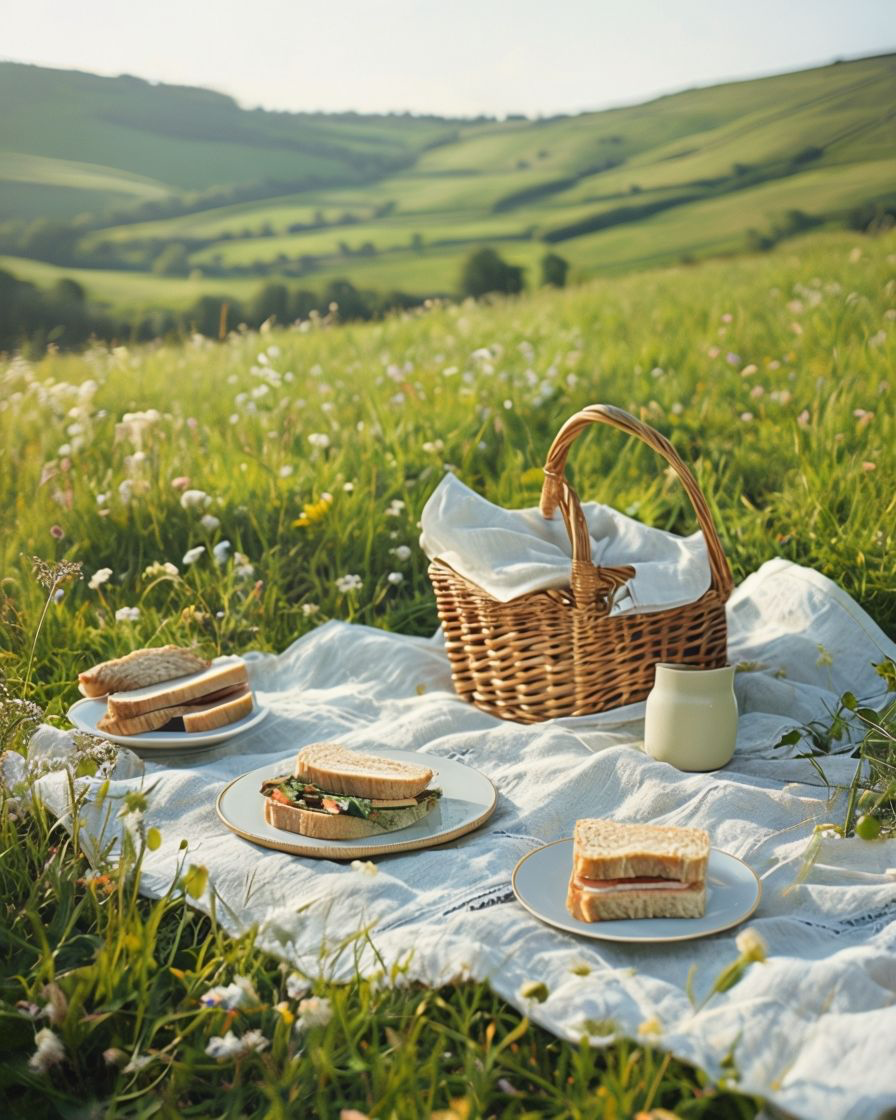
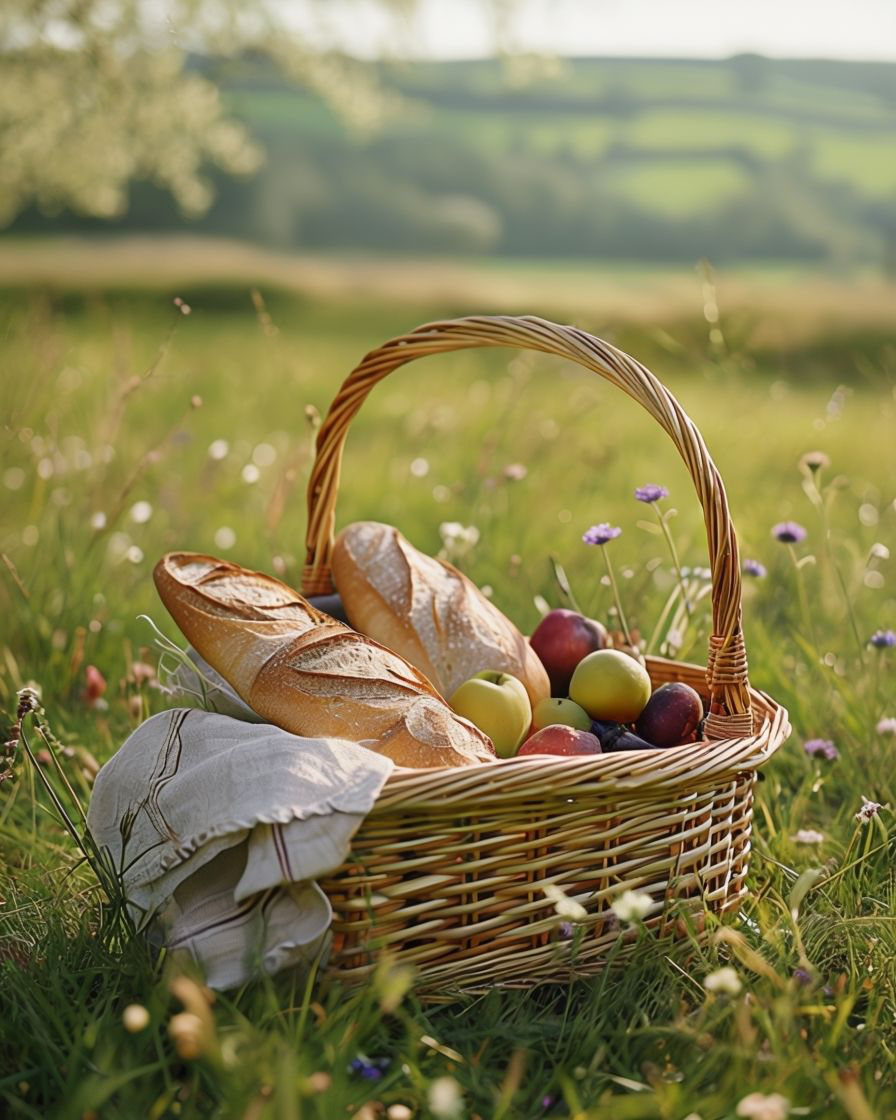
    After months of colder weather and cosy indoor meals, stepping outside with a basket of simple food feels like a quiet celebration. The air is still fresh, but softer. Blossom drifts across country lanes, and fields begin to turn green again.

    A spring picnic doesn’t need to be elaborate.

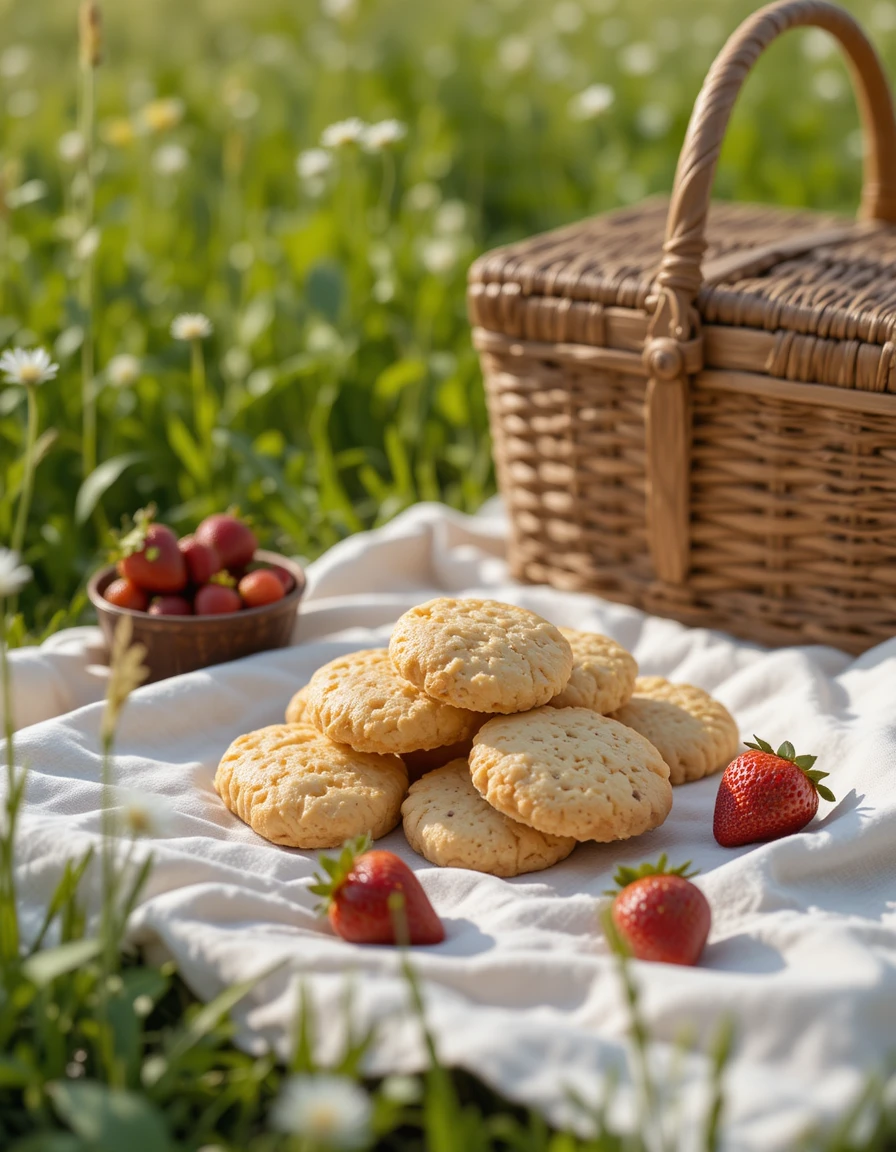
    A blanket on the grass, a few homemade dishes, and time spent outdoors are often more than enough. It’s a gentle way to slow down and enjoy the season as it unfolds. Spring picnics remind us that food tastes different when eaten outside – lighter, fresher, and somehow more joyful.

    Why Spring Is Perfect for Picnics

    Spring sits between the stillness of winter and the busyness of summer.

    The temperatures are comfortable, the landscapes feel newly alive, and the countryside begins to bloom. Picnics allow us to enjoy this transition slowly.

    They offer a chance to:

    • Spend more time outdoors
    • Enjoy seasonal homemade food
    • Appreciate the changing landscape
    • Create relaxed moments with friends or family

    Even a simple lunch feels memorable when shared under open skies.

    Choosing the Perfect Picnic Spot

    Spring picnics feel most magical in quiet, natural settings.

    Look for places where you can relax and enjoy the surroundings:

    • A meadow with wildflowers
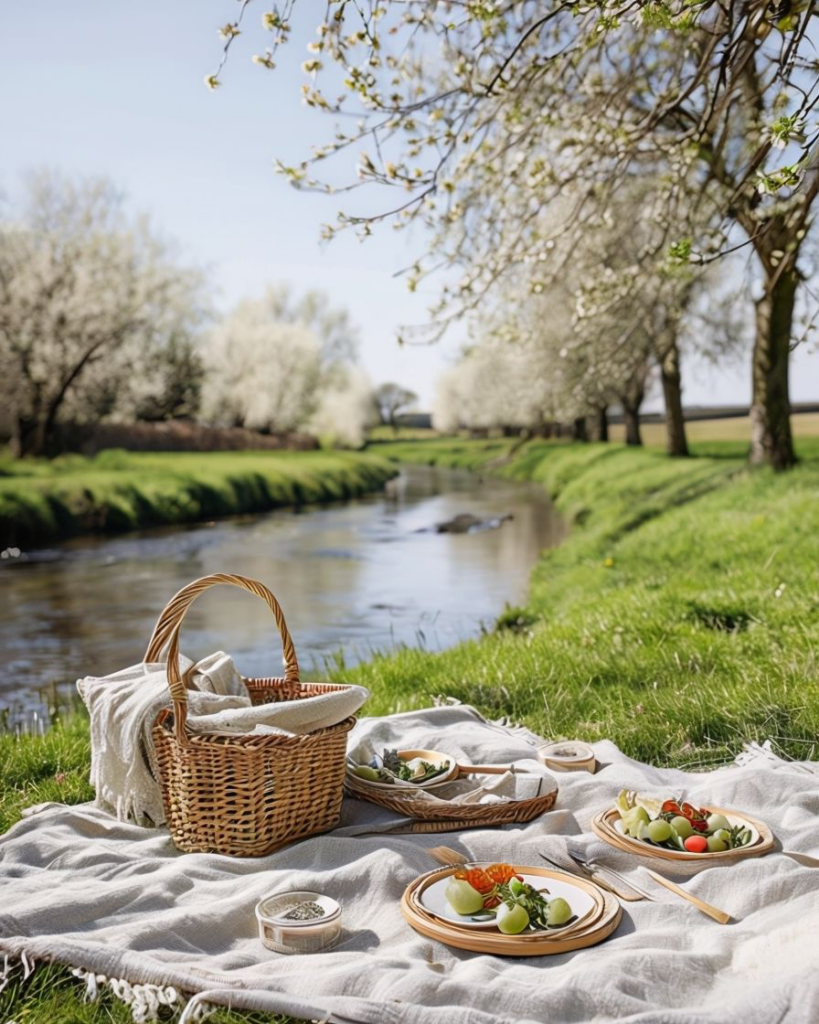
    • Beneath blossoming trees
    • A peaceful riverside spot
    • A hill overlooking fields
    • A quiet corner of a local park
    • A coastal viewpoint on a calm day

    Soft grass, dappled shade, and birdsong make the perfect setting.

    What to Pack for a Spring Picnic

    Spring picnic food should feel light, fresh, and easy to share. Here are some gentle seasonal ideas:

    Savoury Picnic Foods

    Sweet Picnic Treats

    Simple bakes and fresh fruit always feel right for spring.

    Refreshing Picnic Drinks

    • Elderflower spritzer
    • Fresh lemonade
    • Peach iced tea
    • Sparkling water with lemon
    • A thermos of tea or coffee for cooler days

    Light, refreshing drinks complement spring food beautifully.

    Creating a Beautiful Picnic Atmosphere

    A few thoughtful details can make a picnic feel special without being complicated.

    Consider bringing:

    • A woven picnic basket
    • A linen or cotton blanket
    • Simple enamel plates or napkins
    • A wooden serving board
    • Fresh flowers in a small jar

    Natural textures and soft colours help create a relaxed countryside feel.

    Gentle Picnic Activities

    A picnic can be more than just a meal.

    Spring afternoons are perfect for quiet activities such as:

    • Journalling in the fresh air
    • Reading a favourite book
    • Sketching the landscape
    • Taking photographs
    • Pressing small flowers
    • Walking through nearby fields or woodland

    The beauty of a picnic is that it doesn’t need an agenda. Simply sitting and enjoying the surroundings can be enough.

    A Simple Spring Picnic Menu

    If you prefer to keep things minimal, a small picnic menu might include:

    Fresh, seasonal, and easy to enjoy outdoors.

    Final Thoughts

    Picnics are one of the simplest ways to welcome spring.

    They encourage us to slow down, step outside, and notice the small details of the season – the warmth of the sun, the scent of grass, the sound of birds returning.

    Even a short afternoon spent outdoors with a basket of food can feel restorative. Spring doesn’t need grand plans.

    Sometimes it simply asks for a blanket, a few homemade dishes, and an open sky. And that is more than enough.

  • Pan-Seared Mushrooms: A Simple & Savoury Spring Side

    Pan-Seared Mushrooms: A Simple & Savoury Spring Side

    As spring unfolds, meals begin to shift.

    Root vegetables slowly step aside for tender greens and fresh herbs, yet there is still space for warmth at the table. Pan-seared mushrooms sit perfectly in this in-between season – earthy and comforting, yet light enough for brighter days.

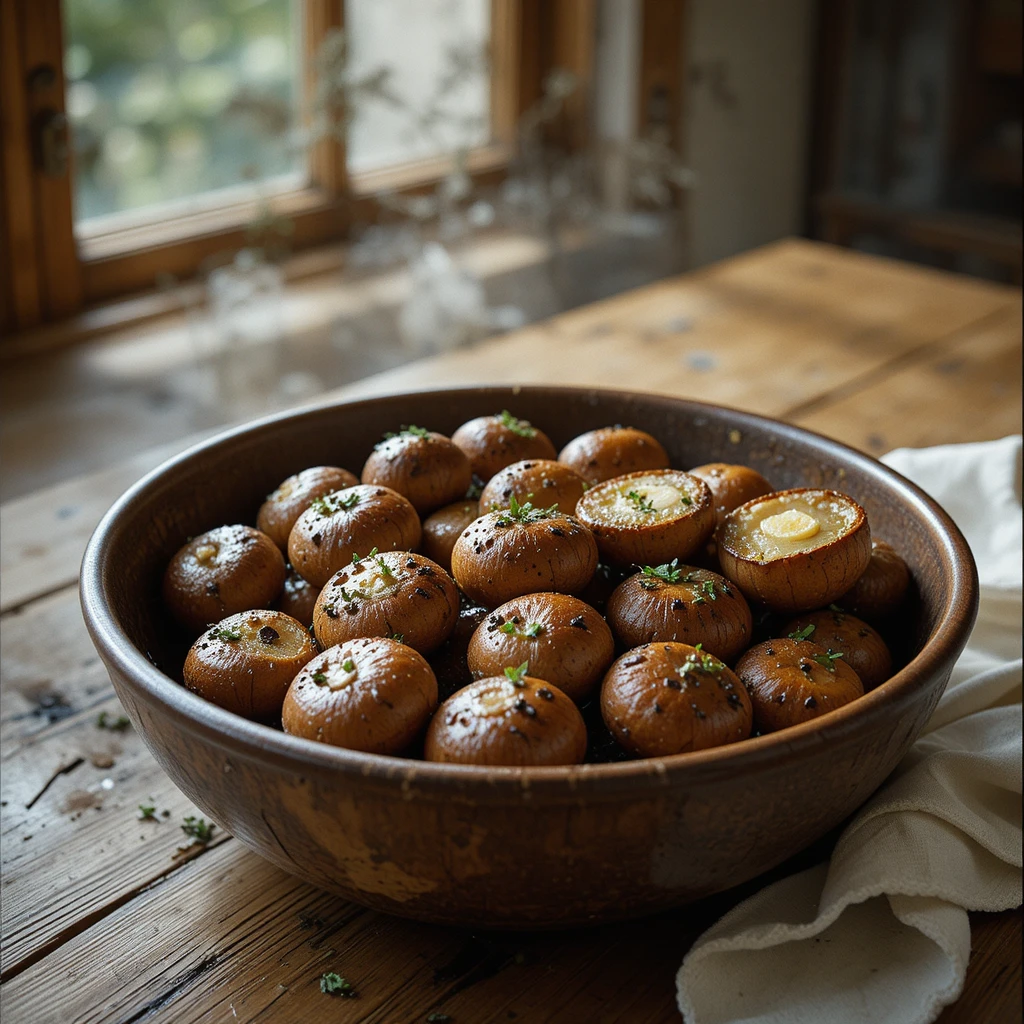
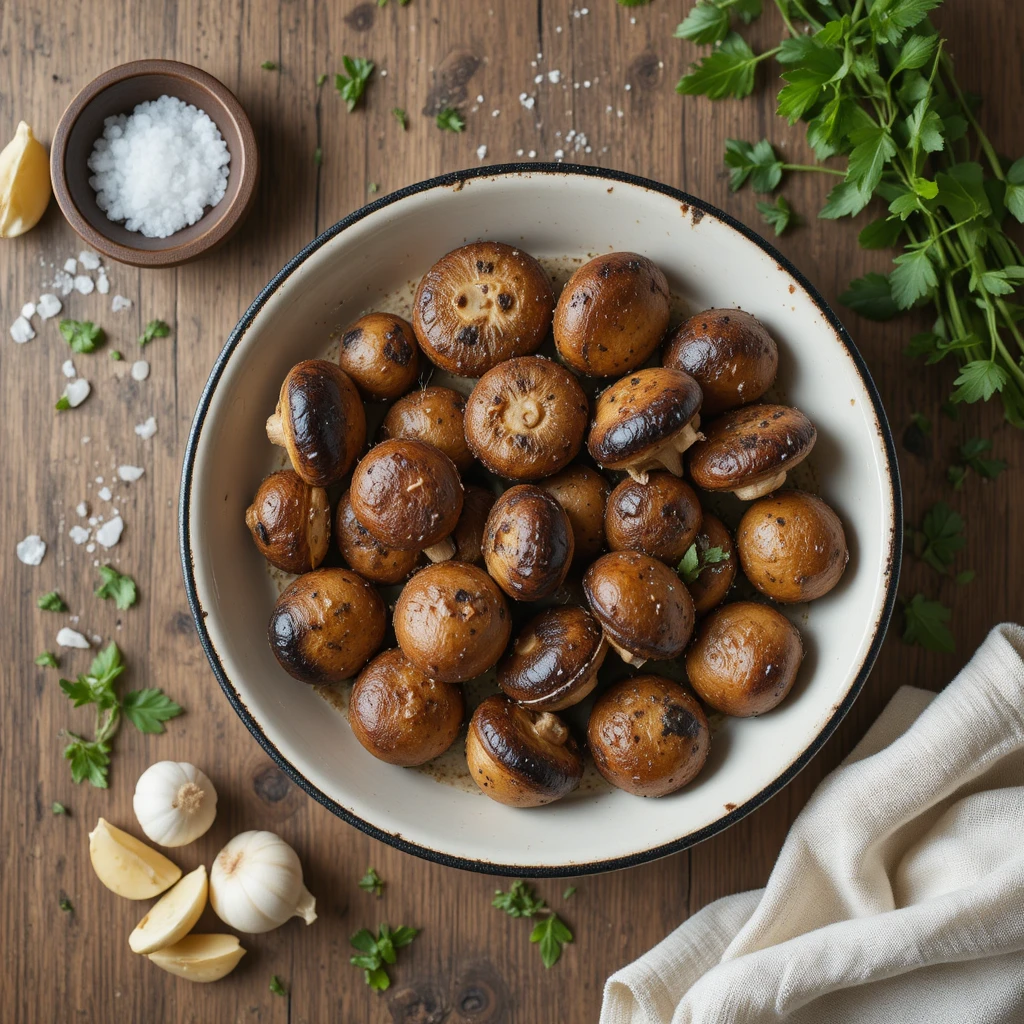
    Golden at the edges, soft in the centre, and fragrant with garlic and thyme, they feel rustic and refined all at once. It’s the kind of side dish that quietly completes a meal. Simple ingredients. Gentle cooking. Beautiful depth of flavour.

    Why Mushrooms Work Beautifully in Spring

    Mushrooms bring:

    • Earthy richness
    • Natural umami depth
    • Quick cooking
    • Beautiful pairing with herbs

    In spring, they shine when paired with:

    When cooked properly – high heat, minimal stirring – they become deeply caramelised without feeling heavy.

    Pan-Seared Mushrooms Recipe (serves: 4 – as a side)

    Prep time: 5 minutes

    Cook time: 10 minutes

    Ingredients

    • 300g chestnut or button mushrooms
    • 1 tablespoon olive oil
    • 20g butter
    • 1–2 garlic cloves, finely minced
    • Small handful fresh thyme leaves
    • Small handful fresh parsley, chopped
    • Sea salt
    • Freshly ground black pepper
    • Optional: squeeze of lemon juice

    Recipe

    Step 1: Prepare the mushrooms

    Gently wipe the mushrooms clean with a damp cloth. Avoid soaking in water. Leave small mushrooms whole and halve larger ones.

    Step 2: Heat the pan

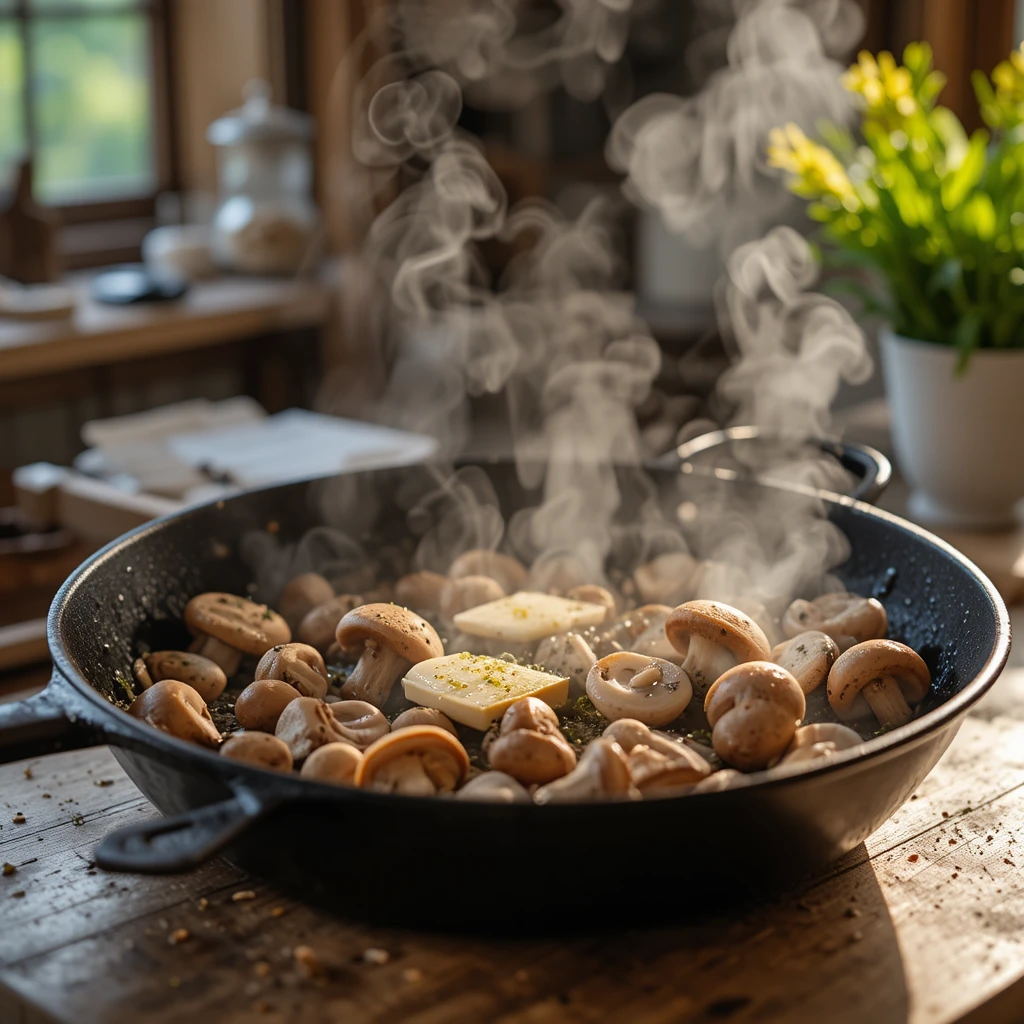
    Place a wide frying pan over medium-high heat. Add olive oil and allow it to heat properly before adding mushrooms.

    Step 3: Sear without crowding

    Add the mushrooms in a single layer. Resist stirring immediately – allow them to sear undisturbed for 3–4 minutes so they develop golden edges. Turn and cook for another 3–4 minutes until softened and caramelised.

    Step 4: Add flavour

    Lower the heat slightly and add butter, garlic, and thyme. Cook for 1–2 minutes, stirring gently until fragrant. Season with salt and black pepper.

    Finish with chopped parsley and, if desired, a small squeeze of lemon juice for brightness. Serve warm.

    How to Serve Pan-Seared Mushrooms in Spring

    These mushrooms pair beautifully with:

    They work especially well for:

    • Light Sunday lunches
    • Spring brunch plates
    • Garden suppers
    • Simple midweek dinners

    Serve in a shallow white bowl with extra thyme scattered over the top and a drizzle of olive oil just before bringing to the table.

    How to Use Leftovers

    Pan-seared mushrooms keep well in the fridge for up to 2 days.

    Here are gentle ways to repurpose them:

    • Spring Brunch
    • Open Sandwich
    • Warm Salad Addition
    • Stir Through Pasta

    Gentle Spring Variations

    To keep this dish feeling seasonal, you could:

    • Add a splash of white wine while cooking
    • Finish with crème fraîche
    • Add chopped chives
    • Use wild garlic when in season
    • Sprinkle with shaved parmesan

    The key is balance – rich but lifted by herbs and brightness.

    Final Thoughts

    There is something grounding about mushrooms sizzling in a warm pan.

    The scent of garlic. The gentle caramelisation. The sound of butter melting into the edges.

    Spring often feels like a season of renewal, but it still carries moments of comfort. Pan-seared mushrooms capture that perfectly – earthy and warm, yet fresh and herb-filled.

    A dish that doesn’t overpower. Just quietly completes the table.

  • Roasted Asparagus: A Fresh & Simple Spring Side

    Roasted Asparagus: A Fresh & Simple Spring Side

    As spring settles in, vegetables begin to take centre stage.

    Tender greens replace root vegetables, plates feel lighter, and meals begin to celebrate freshness rather than warmth alone. Roasted asparagus is one of the simplest and most elegant ways to honour the season.

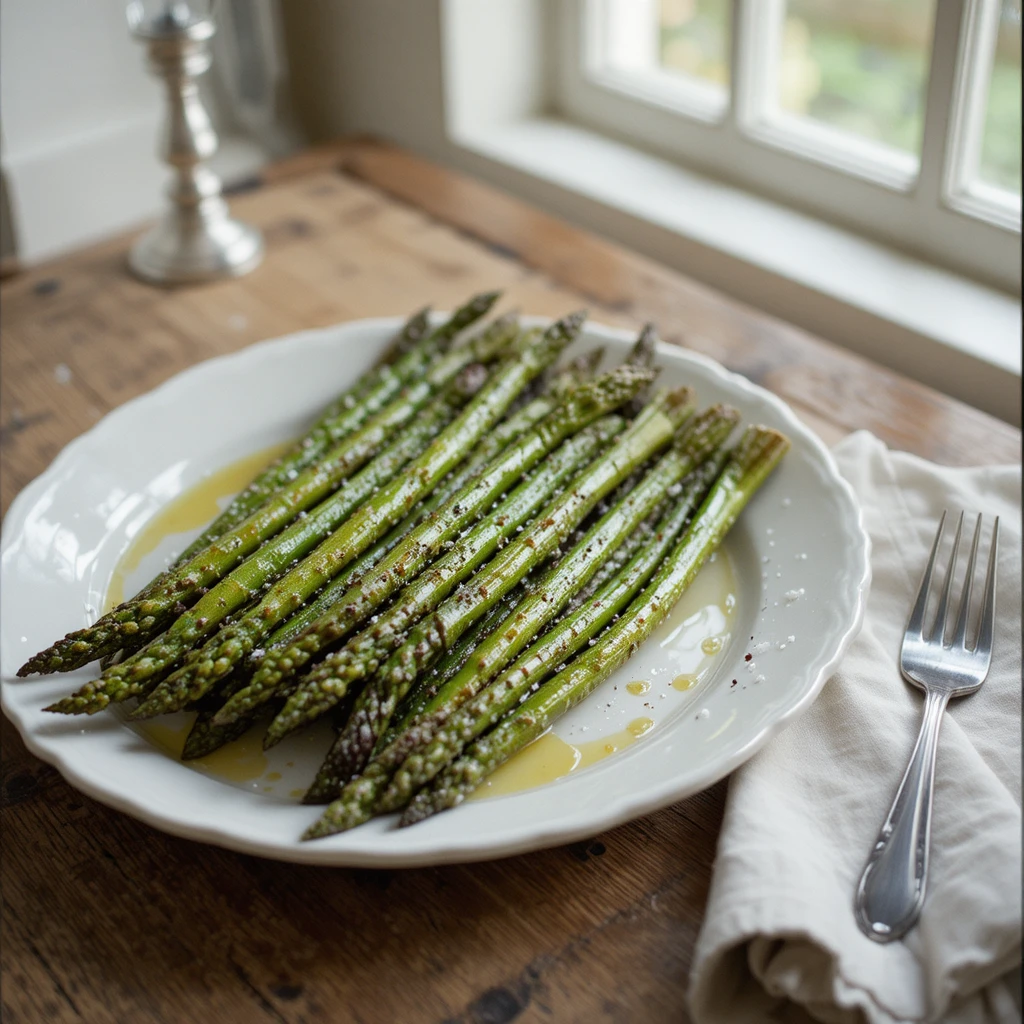
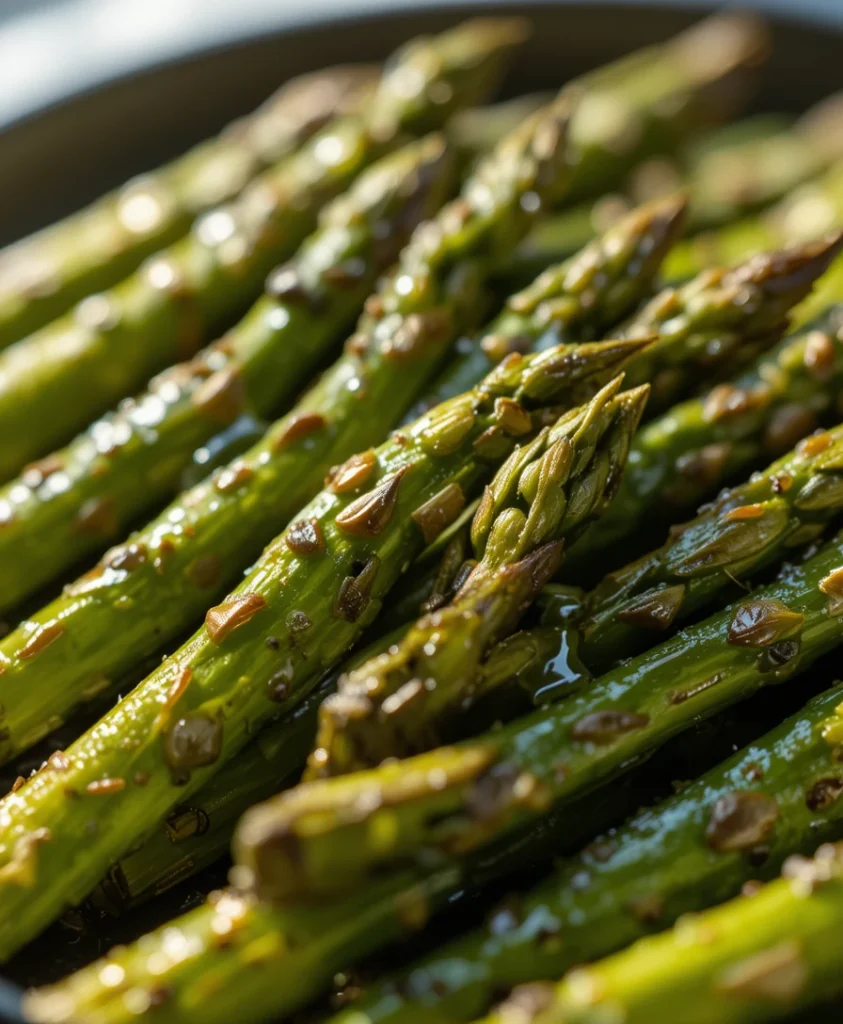
    With just olive oil, sea salt, and a hot oven, asparagus transforms into something softly caramelised, tender, and deeply flavourful. It’s uncomplicated. Thoughtful. Perfectly spring.

    The kind of side dish that completes a meal without demanding attention.

    Why Asparagus Is a Spring Favourite

    Asparagus has a short and cherished season.

    It brings:

    • Bright green colour
    • A tender bite
    • Subtle earthiness
    • Natural sweetness when roasted

    Roasting enhances its flavour, lightly crisping the tips while keeping the stems tender.

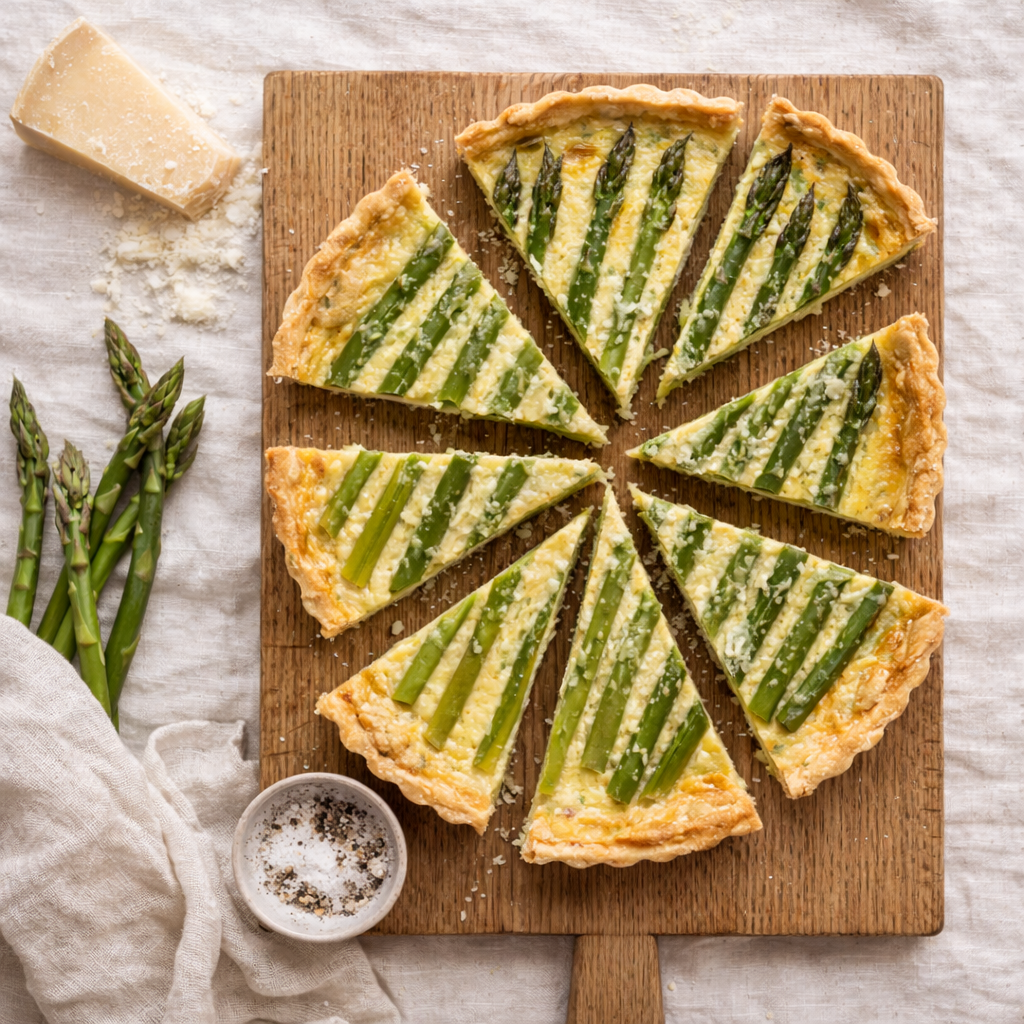
    It pairs effortlessly with spring favourites – salmon, quiche, buttered new potatoes, or fresh salads. A true seasonal staple.

    Roasted Asparagus Recipe (Serves: 4)

    Prep time: 5 minutes

    Cook time: 12–15 minutes

    Ingredients

    • 1 bunch fresh asparagus (about 250–300g)
    • 1–2 tablespoons olive oil
    • Sea salt
    • Freshly ground black pepper
    • Optional: squeeze of lemon juice
    • Optional: 20g shaved parmesan
    • Optional: pinch of chilli flakes

    Recipe

    Step 1: Prepare the asparagus

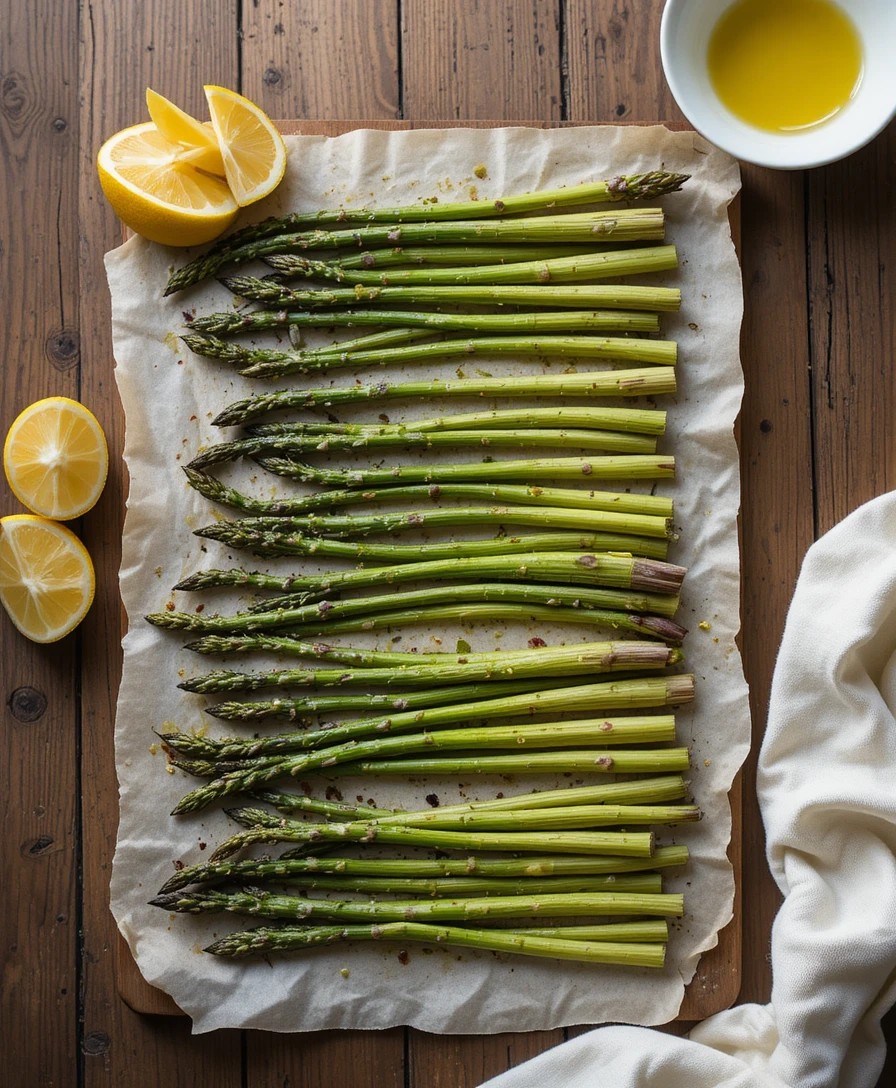
    Rinse gently and trim the woody ends. To do this, bend each spear near the base – it will naturally snap where it becomes tender. Pat dry thoroughly.

    Step 2: Season simply

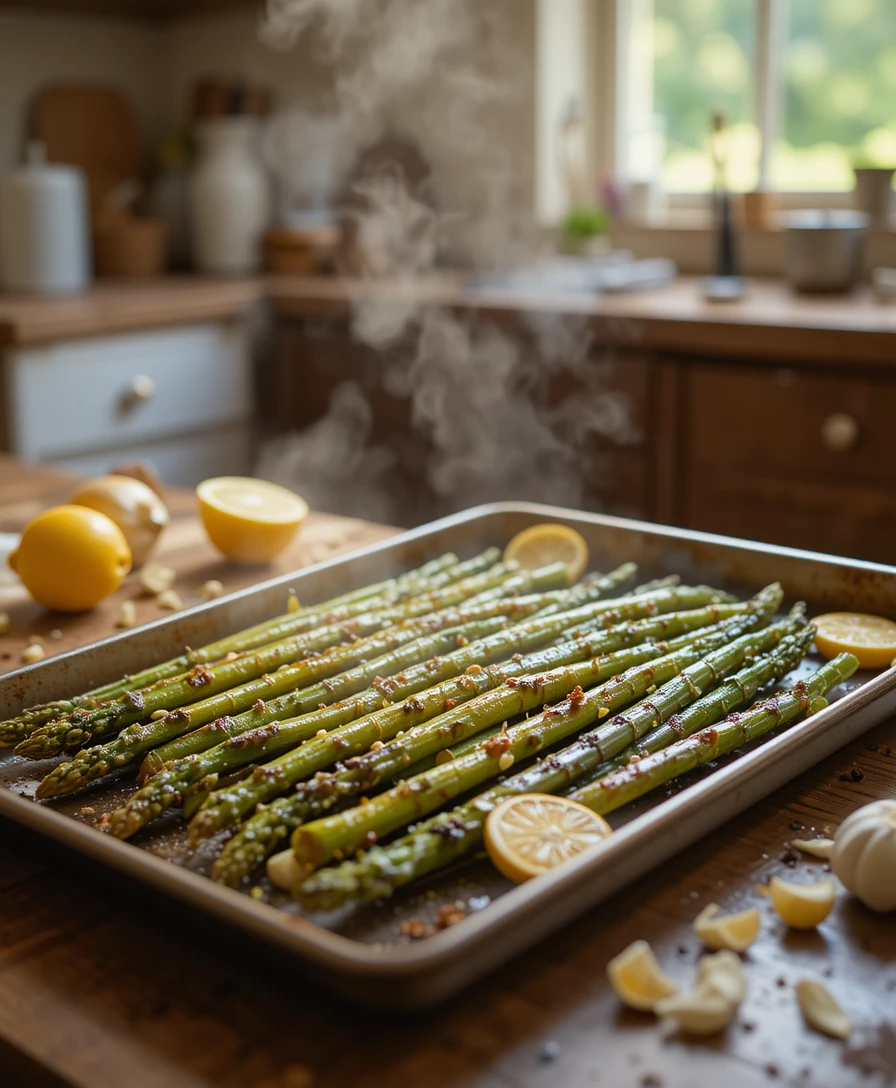
    Place on a baking tray in a single layer. Drizzle with olive oil and toss gently to coat. Season with sea salt and freshly ground black pepper.

    Step 3: Roast

    Preheat the oven to 200°C (fan 180°C). Roast for 12–15 minutes until tender and lightly caramelised at the tips. Thicker spears may need an extra minute or two.

    Step 4: Finish lightly

    Remove from the oven and add a small squeeze of lemon juice if desired. Scatter over shaved parmesan or chilli flakes for a little extra flavour. Serve warm.

    How to Serve Roasted Asparagus in Spring

    This side dish pairs beautifully with:

    It works for:

    • Light spring lunches
    • Sunday dinners
    • Garden gatherings
    • Easter tables
    • Simple midweek meals

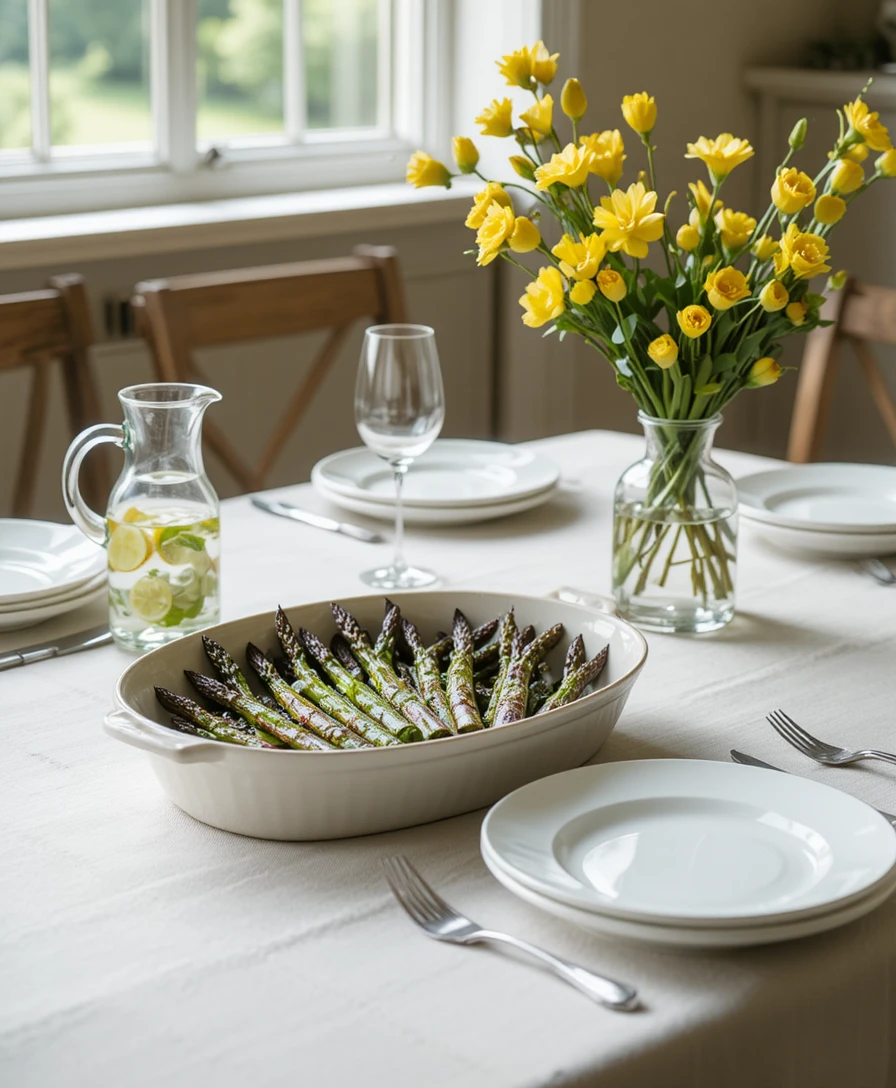
    For a countryside aesthetic, arrange on a white ceramic platter with lemon wedges on the side and a scattering of fresh herbs.

    How to Use Leftovers

    Roasted asparagus keeps well for up to 2 days in the fridge.

    Here are gentle ways to reuse it:

    • Spring Salad Addition
    • Open-Faced Sandwich
    • Brunch Plate
    • Wrap Filling

    Gentle Spring Variations

    To keep this dish feeling fresh and seasonal, you could:

    • Add lemon zest before serving
    • Drizzle with honey for subtle sweetness
    • Top with toasted almonds
    • Finish with fresh dill
    • Add a spoonful of homemade mustard vinaigrette

    Asparagus shines brightest when kept simple.

    Final Thoughts

    There is something grounding about preparing vegetables at their peak.

    The snap of fresh asparagus. The scent of olive oil warming in the oven. The gentle sizzle as it roasts.

    Spring meals don’t need to be elaborate to feel special.

    Sometimes a tray of perfectly roasted asparagus, placed at the centre of the table, is enough.

    Fresh. Simple. Seasonal.

    A quiet celebration of everything beginning again.

  • Homemade Shortbread: A Simple & Buttery Spring Bake

    Homemade Shortbread: A Simple & Buttery Spring Bake

    There is something timeless about shortbread.

    It doesn’t shout for attention. It doesn’t rely on elaborate decoration or layers of flavour. Instead, it rests quietly in its simplicity – butter, sugar, flour, and a little care.

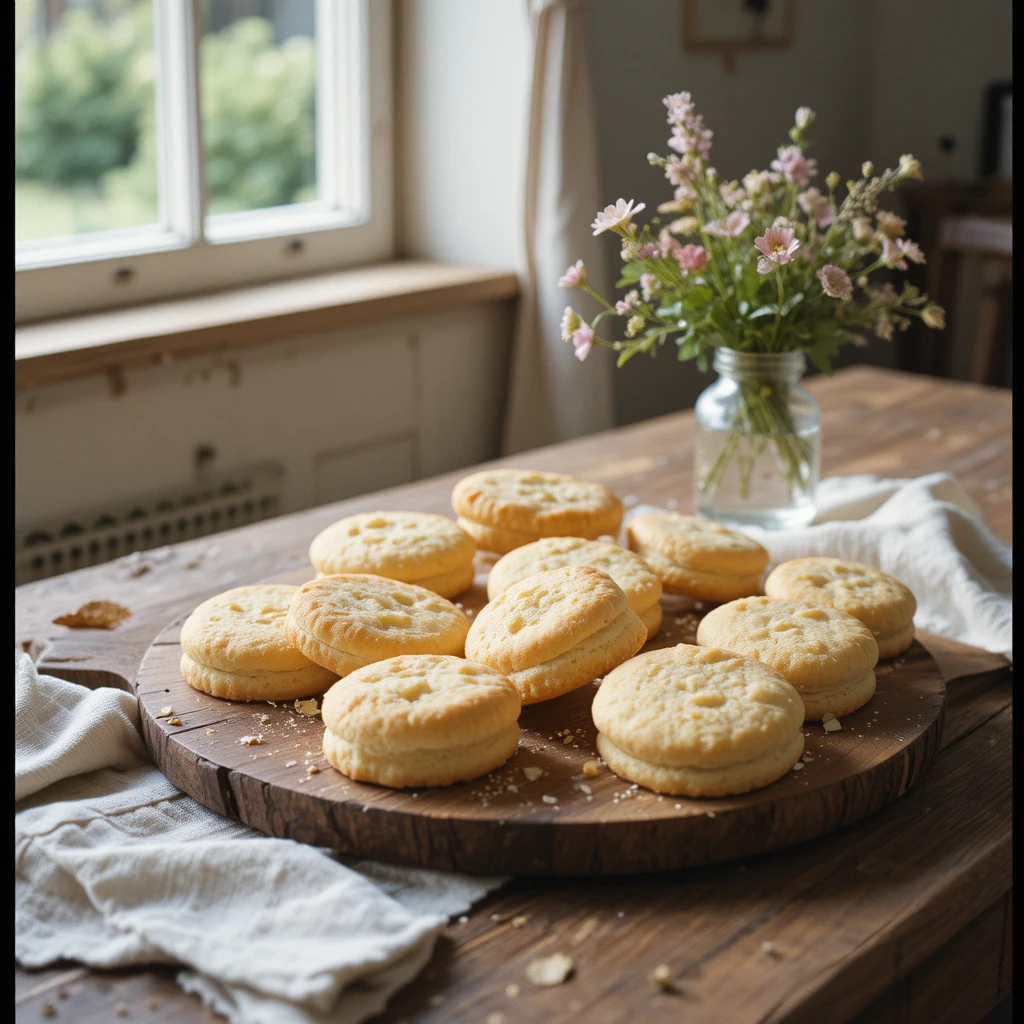
    In spring, when the days begin to brighten and afternoon tea moves closer to open windows, homemade shortbread feels just right. Lightly golden, delicately crumbly, and softly sweet, it pairs beautifully with fresh berries, lemon curd, or a simple cup of tea.

    It’s the kind of bake that fills the kitchen with warmth without feeling heavy. Simple. Thoughtful. Gently comforting.

    Why Shortbread Feels Perfect for Spring

    Spring baking leans into:

    • Light textures
    • Delicate sweetness
    • Simple ingredients
    • Gentle flavour pairings

    Shortbread offers richness without weight. It melts softly on the tongue and complements seasonal additions rather than overpowering them.

    It feels especially suited to:

    • Afternoon tea
    • Garden gatherings
    • Picnic baskets
    • Easter tables
    • Slow Sunday baking

    A quiet classic that transitions beautifully between seasons.

    Homemade Shortbread Recipe (makes: 12–16 pieces)

    Prep time: 10 minutes

    Chill time: 20 minutes

    Bake time: 18–22 minutes

    Ingredients

    • 200g unsalted butter, softened
    • 100g caster sugar
    • 300g plain flour
    • Pinch of sea salt
    • Optional: 1 teaspoon vanilla extract
    • Optional: zest of ½ lemon

    Recipe

    Step 1: Cream the butter and sugar

    In a mixing bowl, beat the softened butter and caster sugar together until pale and smooth. If using vanilla or lemon zest, add it now.

    Step 2: Add the flour

    Gradually sift in the flour and salt. Mix gently until a soft dough forms. Avoid overworking the dough – shortbread benefits from a light touch.

    Step 3: Shape and chill

    Press the dough into a round tin (about 20cm) or roll out and cut into shapes. Prick the surface lightly with a fork for a traditional finish. Chill in the fridge for 20 minutes.

    Step 4: Bake gently

    Preheat the oven to 170°C (fan 150°C). Bake for 18–22 minutes until lightly golden at the edges but still pale on top. Allow to cool slightly before cutting into wedges or fingers.

    Let cool completely before serving.

    How to Serve Shortbread in Spring

    Shortbread pairs beautifully with:

    For a soft countryside aesthetic, serve on a white ceramic plate dusted lightly with icing sugar, alongside fresh flowers or a sprig of mint.

    It’s perfect for:

    • Afternoon tea
    • Spring picnics
    • Easter weekend
    • Light dessert platters
    • A quiet midweek treat

    How to Use Leftover Shortbread

    If you have any left (which is rare):

    • Berry & Shortbread Dessert
    • Ice Cream Sandwich
    • Tart Base
    • Coffee Companion

    Gentle Spring Variations

    To keep this bake aligned with the season, you could:

    • Add lemon zest
    • Dip half in white chocolate
    • Press edible flowers into the surface before baking
    • Stir through finely chopped pistachios
    • Add a hint of lavender (very lightly)

    Spring flavours should remain delicate – allow the butter to remain the star.

    Final Thoughts

    There is something grounding about baking shortbread.

    The gentle mixing. The buttery scent filling the kitchen. The quiet anticipation as it cools.

    Spring often asks us to slow down and appreciate small rituals. Baking something simple, slicing it neatly, and sharing it over tea feels like one of those rituals. It doesn’t need to be elaborate.

    Just a plate of golden biscuits. Fresh air drifting through the window. A warm drink in hand. Sometimes, that is more than enough.

  • Elderflower Spritzer: A Light & Floral Spring Mocktail

    Elderflower Spritzer: A Light & Floral Spring Mocktail

    There is something unmistakably spring-like about elderflower.

    Softly floral, gently sweet, and delicately fragrant, it feels like blossom carried on a breeze. When mixed with sparkling water and fresh citrus, it becomes one of the simplest yet most elegant drinks of the season.

    An elderflower spritzer is light, refreshing, and beautifully understated – perfect for garden lunches, picnic afternoons, and slow evenings as the light begins to stretch. It’s not a drink that demands attention. It simply complements the moment.

    Why Elderflower Feels Like Spring

    Spring drinks often lean into:

    • Floral notes
    • Citrus brightness
    • Light sweetness
    • Fresh herbs
    • Sparkling finishes

    Elderflower offers all of this in one gentle ingredient. It pairs beautifully with lemon, lime, cucumber, mint, and fresh berries – making it wonderfully versatile for seasonal gatherings. It feels celebratory without being heavy. Elegant without being elaborate.

    Elderflower Spritzer Recipe (Mocktail)

    Serves: 2

    Prep time: 5 minutes

    Ingredients

    • 100ml elderflower cordial
    • 400ml sparkling water (chilled)
    • Juice of ½ lemon
    • Thin lemon slices
    • Fresh mint sprigs
    • Ice cubes

    Optional additions:

    • Fresh cucumber ribbons
    • A handful of fresh strawberries
    • A splash of apple juice for added sweetness

    Recipe

    Step 1: Prepare the glasses

    Fill two tall glasses with ice cubes. Add a slice or two of lemon to each glass.

    Step 2: Add the cordial

    Pour approximately 50ml elderflower cordial into each glass.

    Step 3: Add lemon & sparkle

    Add a squeeze of fresh lemon juice. Top with sparkling water and stir gently.

    Step 4: Garnish softly

    Add a sprig of fresh mint and, if desired, a few cucumber ribbons or sliced strawberries. Serve immediately.

    How to Serve an Elderflower Spritzer

    This mocktail pairs beautifully with:

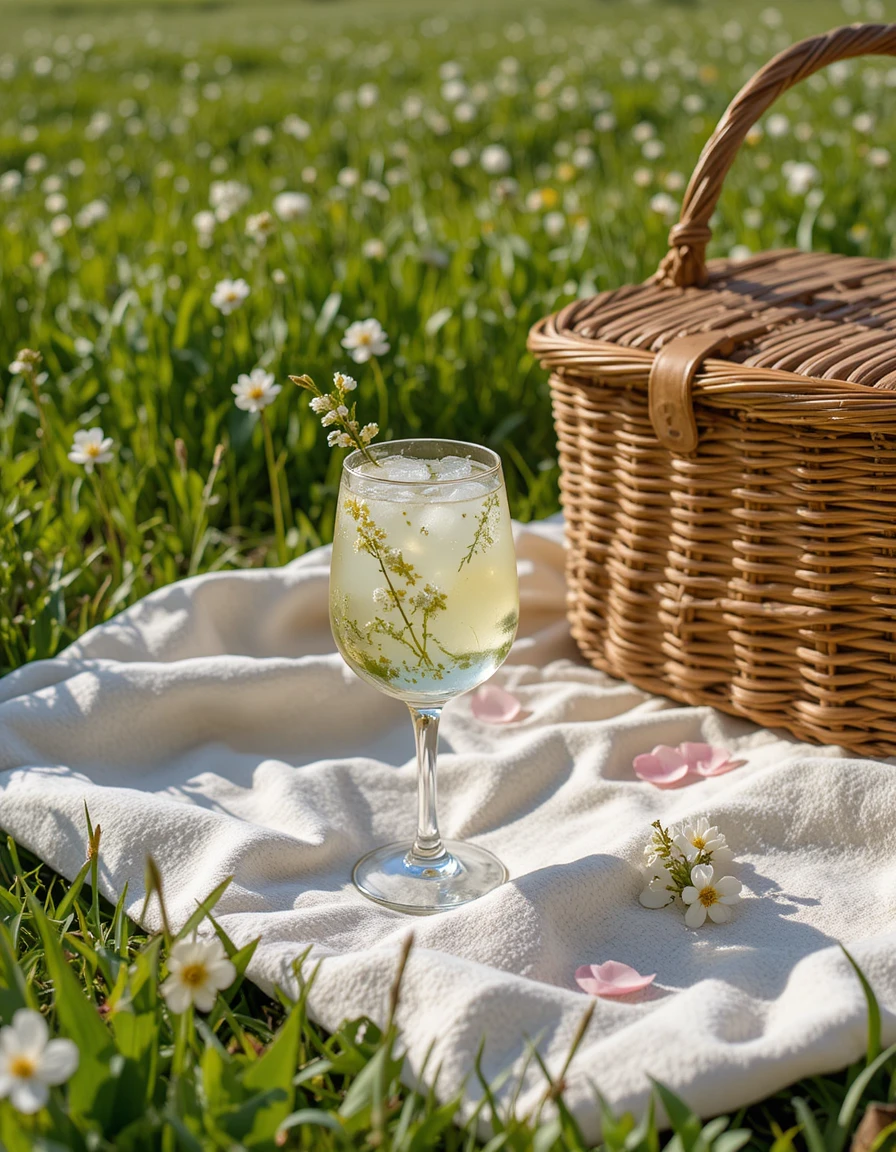
    Serve in clear glasses to let the light catch the lemon slices and herbs. For a countryside aesthetic, present in a glass jug with floating lemon wheels and mint sprigs – perfect for pouring slowly at the table.

    Gentle Variations

    To keep this aligned with spring’s softness, you could:

    • Add crushed raspberries for a pink tint
    • Use sparkling lemonade instead of water
    • Stir through a splash of apple juice
    • Add edible flowers for presentation
    • Swap lemon for lime

    The beauty of this drink is its simplicity – you can adjust it gently depending on the moment.

    Final Thoughts

    There is something about holding a cool glass in warm afternoon light that feels like the season itself.

    The gentle fizz. The scent of mint. The pale golden colour of elderflower.

    An elderflower spritzer doesn’t overwhelm a meal – it complements it. It invites conversation. It refreshes between bites.

    Spring often calls for lighter rituals.

    A woven basket. A linen tablecloth. Fresh herbs on the windowsill. A jug of something sparkling waiting quietly.

    Sometimes, that is enough.

  • Garlic Croutons: A Simple Spring Way to Use Leftover Garlic Bread

    Garlic Croutons: A Simple Spring Way to Use Leftover Garlic Bread

    Spring cooking often feels lighter.

    We lean into fresh salads, herb-filled bowls, and simple seasonal lunches. And sometimes, in the quiet rhythm of the kitchen, we find ourselves with leftover garlic bread from the night before.

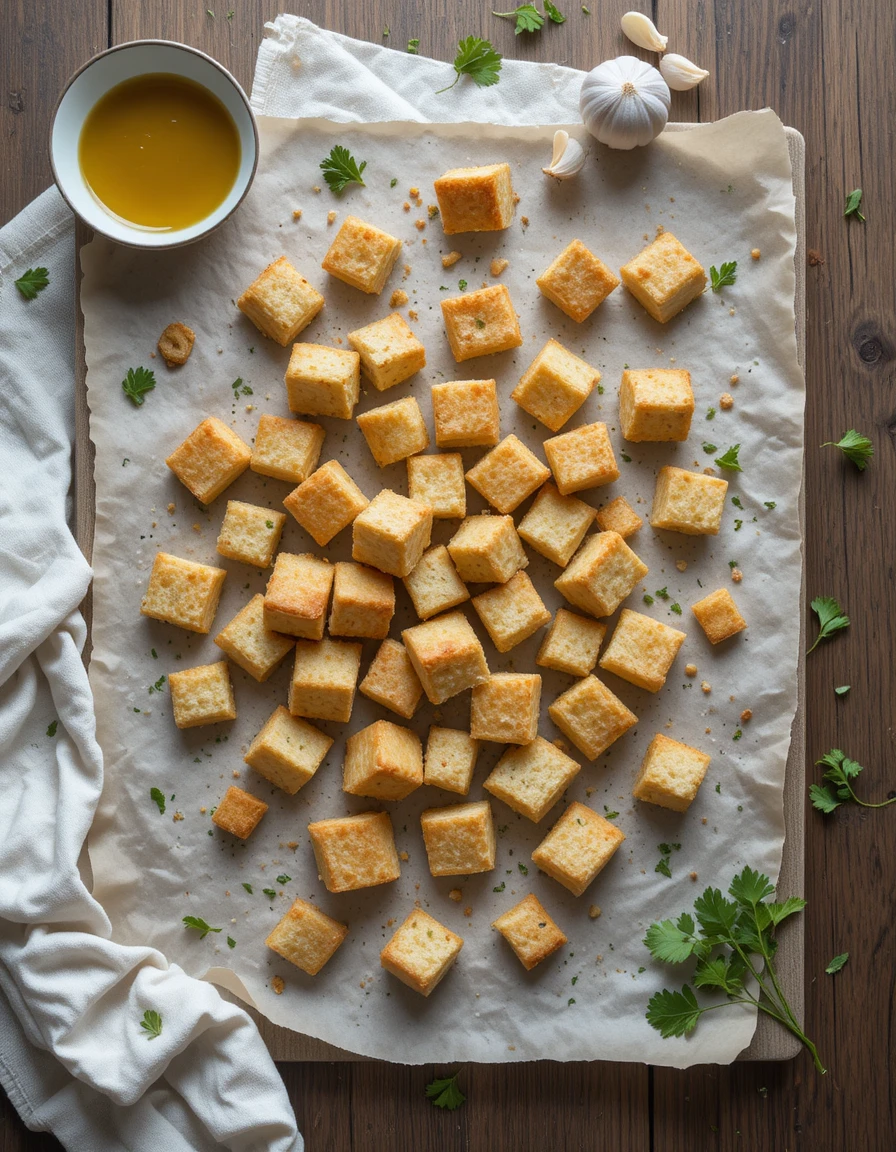
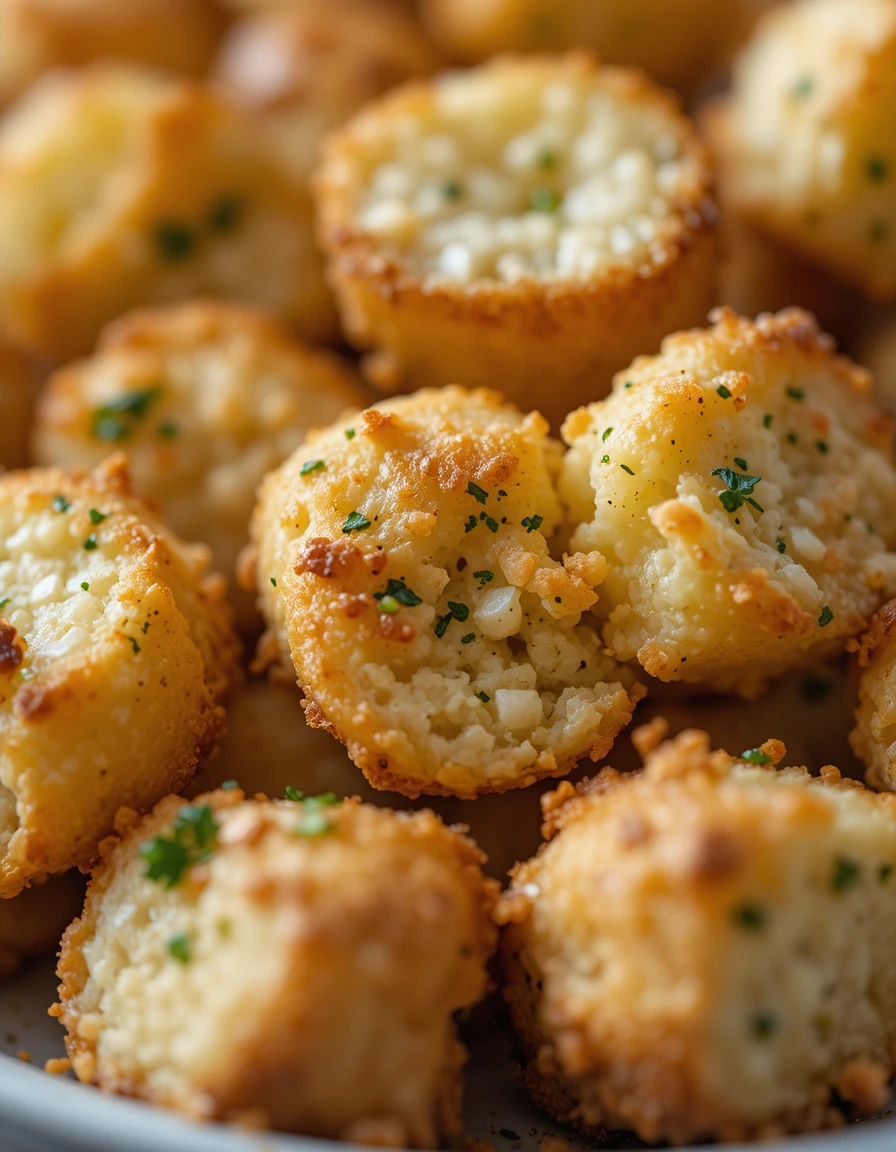
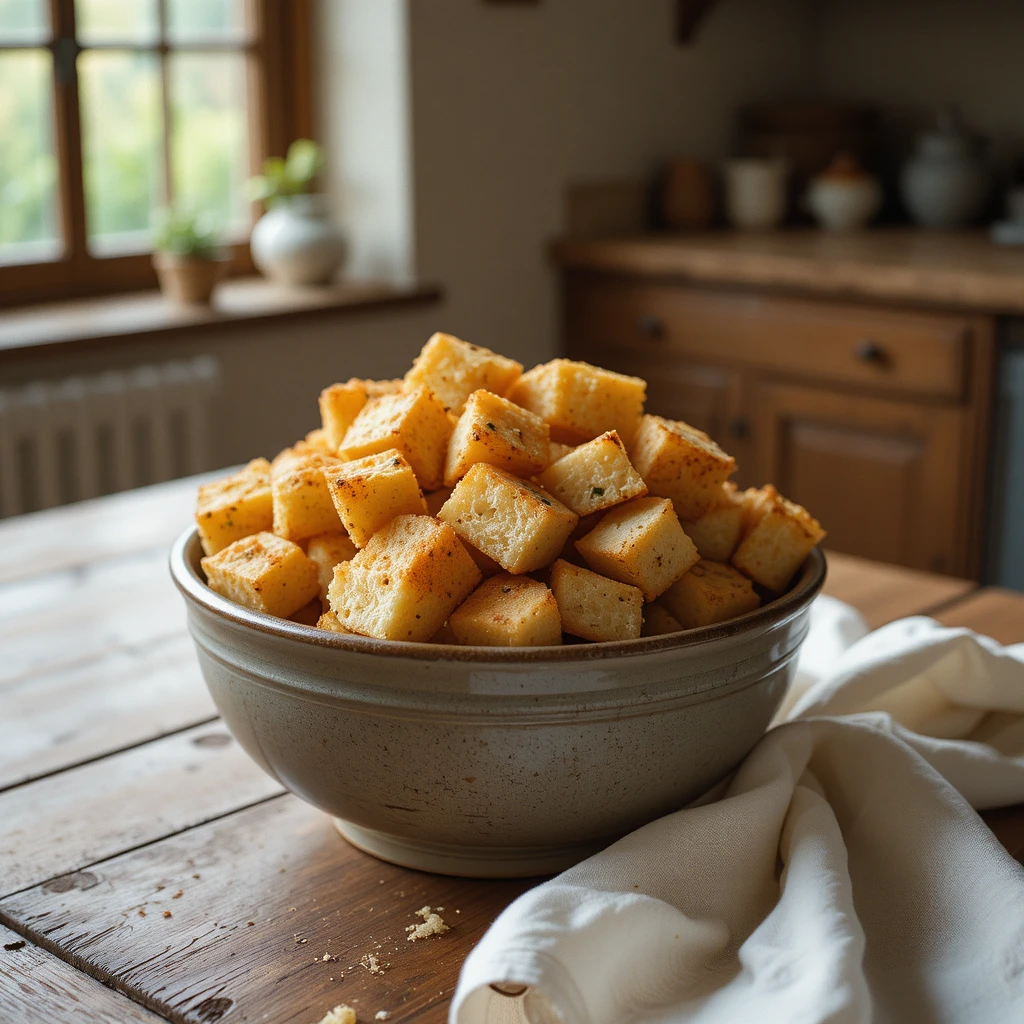
    Rather than letting it sit untouched, garlic bread can be transformed into something beautifully crisp and useful – golden garlic croutons. Crunchy at the edges, soft in the centre, fragrant with herbs, they add texture and warmth to spring salads and soups.

    It’s a small act of creativity. A gentle way of stretching ingredients. A reminder that even leftovers can feel intentional.

    Why Garlic Croutons Work So Well in Spring

    Spring meals often feature:

    • Crisp salad leaves
    • Fresh herbs
    • Light vinaigrettes
    • Tender vegetables
    • Simple soups

    Garlic croutons bring contrast. They add warmth to cooler dishes and crunch to softer textures – without making the meal feel heavy. The garlic and herbs echo spring flavours while offering comfort. They’re the finishing touch that makes a simple salad feel complete.

    Garlic Croutons from Leftover Garlic Bread (makes: 2–3 cups)

    Prep time: 5 minutes

    Bake time: 10–15 minutes

    Ingredients

    • 3–4 slices leftover garlic bread
    • 1 tablespoon olive oil (if needed)
    • Small handful fresh parsley or thyme (optional)
    • Pinch of sea salt
    • Freshly ground black pepper

    Optional additions:

    • A sprinkle of grated parmesan
    • A pinch of chilli flakes
    • Lemon zest for brightness

    Recipe

    Step 1: Cube the bread

    Cut the garlic bread into bite-sized cubes. If the bread already contains butter and garlic, you may not need additional oil. If it feels dry, drizzle lightly with olive oil and toss gently.

    Step 2: Bake gently

    Preheat the oven to 180°C (fan 160°C). Spread the cubes evenly on a baking tray. Bake for 10–15 minutes, turning halfway through, until golden and crisp.

    The edges should feel crunchy, but the centre can remain slightly tender if preferred.

    Step 3: Finish with herbs

    Once baked, toss lightly with fresh herbs, salt, and pepper. Allow to cool completely before storing.

    How to Use Garlic Croutons in Spring

    These croutons are beautifully versatile.

    Add them to:

    They add texture without overpowering the freshness of the dish.

    A Simple Spring Salad Idea

    Try this gentle combination:

    • Mixed leaves
    • Sliced cucumber
    • Radishes
    • Fresh dill
    • Lemon vinaigrette
    • Scattered garlic croutons

    The contrast between crisp greens and warm, garlicky crunch feels perfectly balanced.

    How to Store Garlic Croutons

    Once fully cooled, store in an airtight container for up to 3 days. If they soften slightly, refresh them in the oven for 3–4 minutes before serving. They are best enjoyed fresh and fragrant.

    Gentle Variations

    To keep them aligned with spring, you could:

    • Add lemon zest after baking
    • Use wild garlic in season
    • Sprinkle with grated parmesan
    • Add cracked black pepper
    • Stir through fresh thyme

    The goal is freshness with warmth – not heaviness.

    Final Thoughts

    There is something comforting about using what you already have.

    Turning leftover garlic bread into crisp croutons feels thoughtful rather than thrifty. It reflects a slower approach to cooking – one where ingredients are appreciated fully.

    Spring often encourages us to reset, refresh, and simplify.

    And sometimes, that begins in the kitchen.

    A small tray of golden croutons cooling on the counter. The scent of garlic still lingering. A salad waiting nearby.

    Simple food. Gently repurposed.

    A quiet celebration of the season.

  • Homemade Mustard: A Simple & Bright Spring Condiment

    Homemade Mustard: A Simple & Bright Spring Condiment

    Spring cooking often focuses on freshness.

    Tender greens, light proteins, new potatoes, and herb-filled salads begin to take centre stage. And with these lighter meals comes a need for something gently sharp – something that brightens rather than overpowers. Homemade mustard does exactly that.

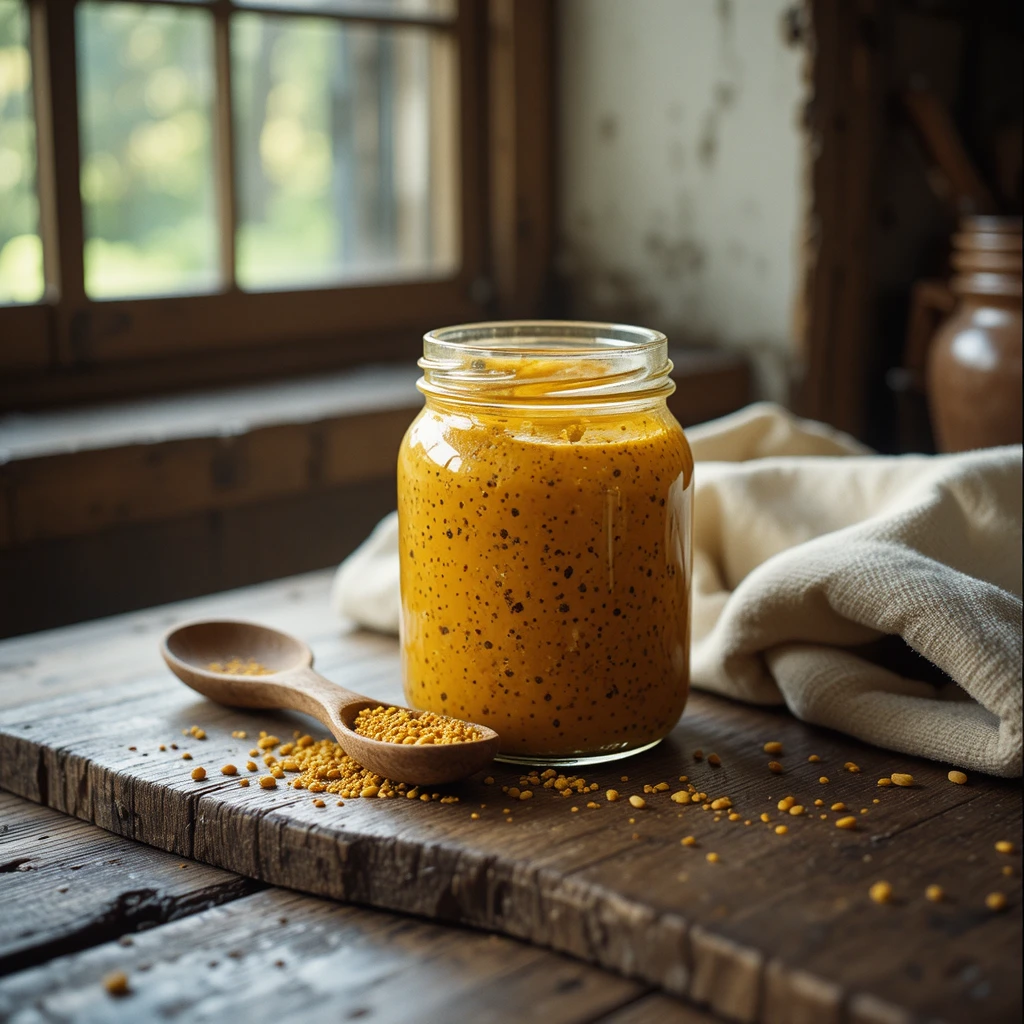
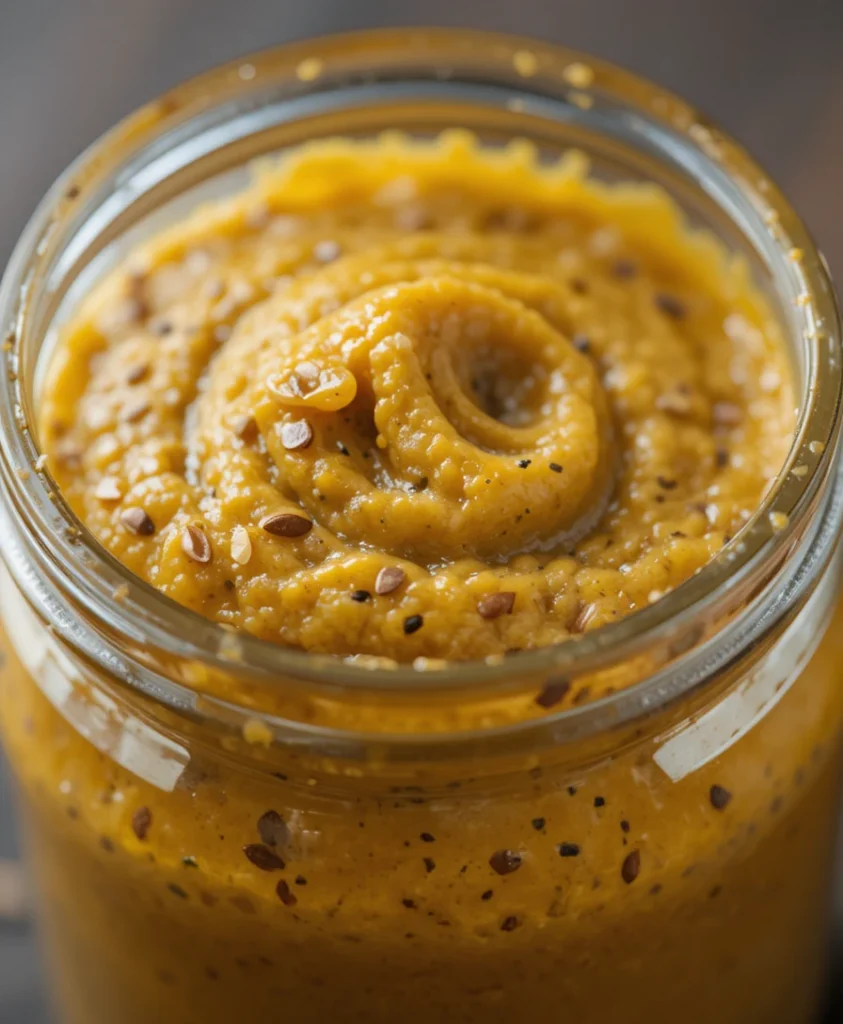
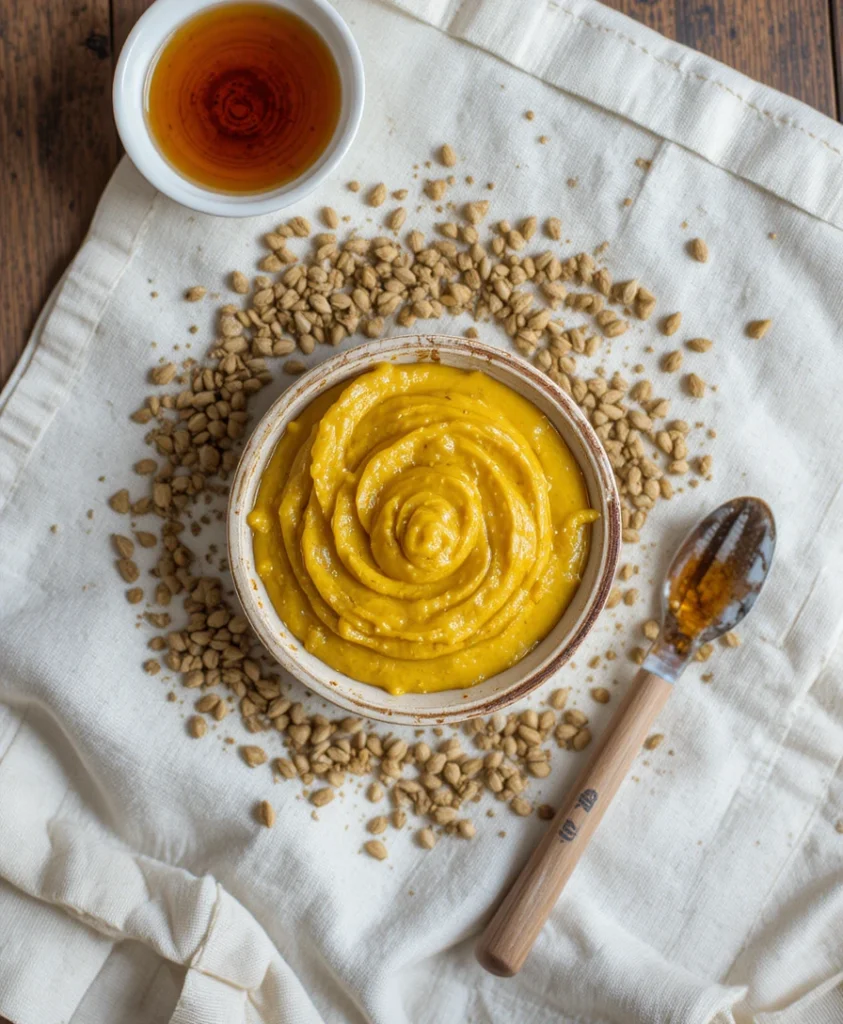
    It’s simple to make, quietly impressive, and endlessly versatile. Grainy, golden, and softly spiced, it brings life to spring dishes without overwhelming them.

    There is something deeply satisfying about whisking together seeds and vinegar and watching them transform into a condiment that will sit proudly on your table for weeks. Simple ingredients. Thoughtfully combined.

    Why Mustard Feels Right for Spring

    Mustard adds:

    • Gentle heat
    • Subtle acidity
    • Depth without heaviness
    • Balance to creamy or rich dishes

    In spring, when meals become lighter, mustard acts as a bright finishing touch.

    It pairs beautifully with:

    It feels clean, sharp, and seasonal.

    Homemade Wholegrain Mustard Recipe (makes: 1 small jar)

    Prep time: 10 minutes

    Resting time: 24–48 hours

    Ingredients

    • 50g yellow mustard seeds
    • 25g brown mustard seeds
    • 100ml apple cider vinegar
    • 50ml water
    • 1 teaspoon honey
    • ½ teaspoon sea salt
    • 1 tablespoon olive oil

    Optional additions:

    • Pinch of turmeric (for colour)
    • Fresh thyme leaves
    • A small squeeze of lemon juice

    Recipe

    Step 1: Soak the seeds

    In a small bowl, combine the mustard seeds, vinegar, and water.

    Cover and leave to soak for 24 hours at room temperature. The seeds will soften and absorb the liquid.

    Step 2: Blend gently

    Transfer the soaked mixture to a food processor or blender. Pulse briefly – leaving some seeds whole for texture.

    You can blend more for a smoother finish or less for a rustic wholegrain style.

    Step 3: Finish the flavour

    Stir in:

    • Honey
    • Sea salt
    • Olive oil

    Taste and adjust with a little extra vinegar or honey if needed.

    Step 4: Jar & rest

    Spoon into a sterilised jar and refrigerate. The flavour will mellow and deepen after 2–3 days.

    How to Serve Homemade Mustard in Spring

    Mustard elevates simple meals.

    Use it:

    It brings brightness and balance. A spoonful can transform an entire plate.

    How to Use Leftovers

    Homemade mustard keeps in the fridge for up to 1 month.

    Here are a few gentle ideas:

    • Spring Dressing
    • Sandwich Spread
    • Potato Glaze
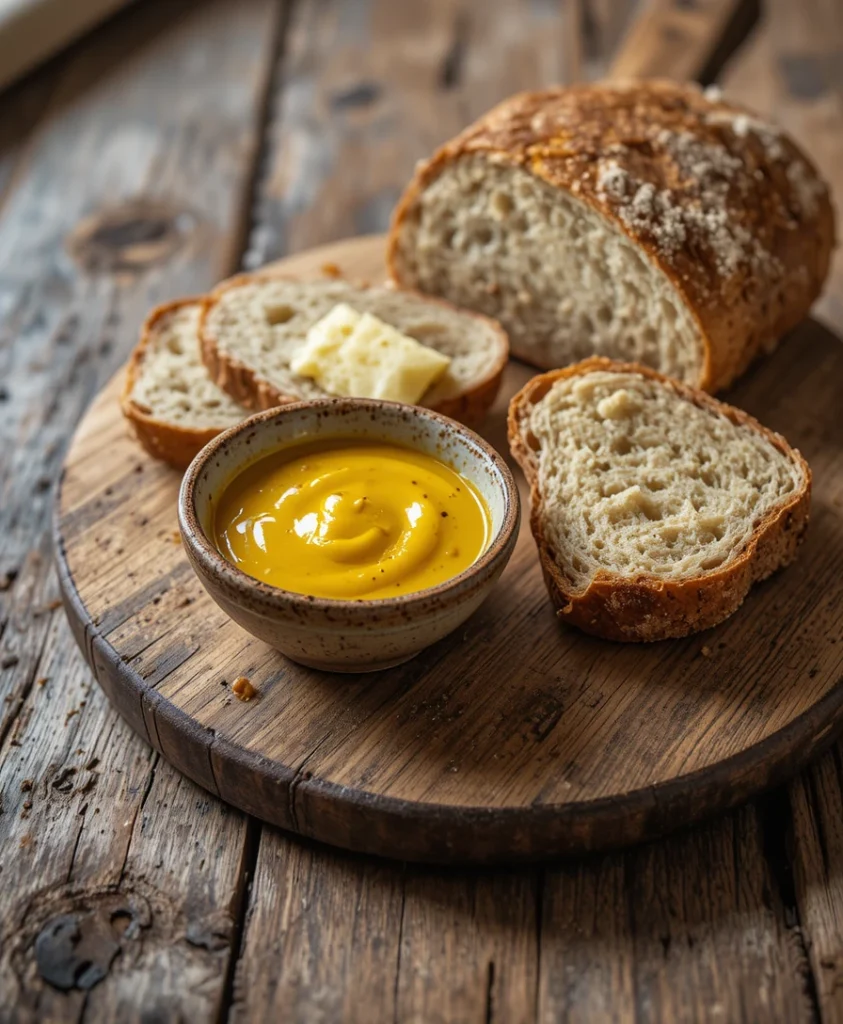
    • Cheese Board Addition

    Gentle Spring Variations

    To keep your mustard aligned with the season, you could:

    • Add fresh thyme
    • Stir through chopped dill
    • Use white wine vinegar for a lighter flavour
    • Add crushed pink peppercorns
    • Infuse with a small splash of elderflower vinegar

    Spring condiments should feel bright and clean, not heavy.

    A Soft Spring Table Detail

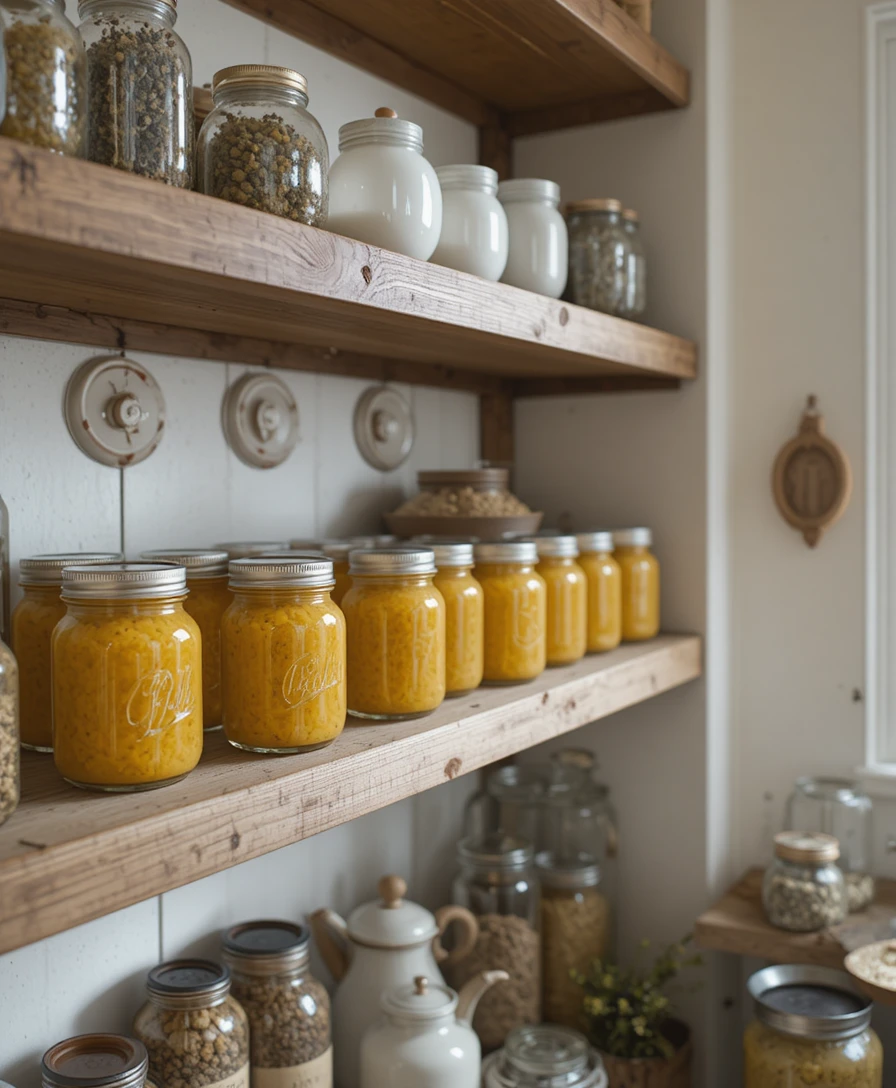
    There is something quietly elegant about homemade condiments. A small glass jar. A handwritten label. A wooden spoon resting beside it.

    Mustard may seem simple, but it reflects care. It shows thought. It completes a meal in a subtle way. Spring cooking often celebrates freshness – and mustard supports that beautifully. Sharp enough to lift. Gentle enough to balance. A small jar of brightness for the season.