Category: Winter Comforts

  • Mushroom & Leek Soup: A Soft, Savoury Winter Bowl for Cold Days

    Mushroom & Leek Soup: A Soft, Savoury Winter Bowl for Cold Days

    Winter is the season of soups that simmer slowly and warm both the kitchen and the soul. Mushroom and leek soup is one of those quietly comforting combinations – earthy mushrooms, gently sweet leeks, and a soft, velvety texture that feels just right on cold days.

    This is a soup made for still afternoons and early evenings, when the light fades quickly and the simple act of cooking feels grounding. It’s familiar, nourishing, and deeply soothing – the kind of meal you return to again and again through the winter months.

    Why Mushroom & Leek Is Perfect for Winter

    Mushrooms and leeks are made for winter cooking. Together, they bring:

    • earthy, savoury depth from the mushrooms
    • gentle sweetness from slow-cooked leeks
    • warmth without heaviness
    • comforting flavour from simple ingredients

    It’s a pairing that feels rustic and homely – ideal for the slower rhythm of winter.

    Ingredients (Serves: 4)

    • 1 tbsp butter
    • 1 tbsp olive oil
    • 2 leeks, cleaned and sliced
    • 1 onion, finely chopped
    • 2 garlic cloves, crushed
    • 400 g mushrooms (chestnut or button), sliced
    • 750 ml vegetable or chicken stock
    • 100 ml cream (optional, for a creamy finish)
    • Salt and freshly ground black pepper

    Optional additions:

    • fresh thyme
    • splash of white wine
    • drizzle of olive oil or cream to finish
    • extra sautéed mushrooms for garnish

    Recipe

    Step 1: Soften the Leeks

    Heat the butter and olive oil in a large saucepan over medium heat.
    Add the leeks and onion and cook gently for 8–10 minutes, stirring occasionally, until soft and sweet but not coloured.

    Step 2: Add Garlic & Mushrooms

    Stir in the garlic and cook for a minute until fragrant.
    Add the mushrooms and cook for 8–10 minutes, allowing them to release their moisture and deepen in flavour.

    Step 3: Simmer

    Pour in the stock and bring to a gentle simmer.
    Cook for 15 minutes, letting the flavours come together.

    Step 4: Blend

    Blend until smooth for a velvety soup, or leave slightly chunky for a more rustic finish.

    Step 5: Finish

    Stir in the cream if using, season with salt and pepper, and warm gently before serving.

    How to Serve Mushroom & Leek Soup

    This soup is lovely served with:

    It works beautifully for lunch, supper, or a quiet evening meal when comfort is the priority.

    Winter Variations

    • Creamy Mushroom & Leek Soup: add extra cream for richness
    • Mushroom, Leek & Thyme: fragrant and warming
    • Roasted Mushroom & Leek Soup: deeper, richer flavour
    • Dairy-Free: skip the cream and finish with olive oil
    • Chunky Version: leave unblended for a heartier bowl

    Each variation keeps that cosy winter heart.

    Creating a Cosy Winter Moment

    Mushroom and leek soup is best enjoyed when:

    • the house feels calm
    • candles are lit
    • bowls are warmed
    • the day has slowed
    • bread is torn and shared

    It’s food that encourages you to pause and enjoy the quiet of the season.

    Final Thoughts

    Mushroom and leek soup is winter comfort at its most gentle – softly savoury, warming, and deeply nourishing. It’s a reminder that the simplest ingredients, treated kindly, can create something truly comforting.

    A warm bowl, quiet light, and a slow winter evening – sometimes that’s all you need. 

  • Mushroom & Garlic Soup: A Deeply Comforting Winter Bowl for Cold Days

    Mushroom & Garlic Soup: A Deeply Comforting Winter Bowl for Cold Days

    Winter is the season of soups that simmer gently, filling the kitchen with warmth and familiar aromas. Mushroom and garlic soup is one of those quietly comforting dishes – earthy, savoury, and soothing, with a depth of flavour that feels perfect for colder days.

    This is a soup made for slow afternoons and early evenings, when the light fades quickly and all you want is something warming and nourishing. Simple ingredients, cooked gently, coming together into a bowl that feels grounding and restorative.

    Why Mushroom & Garlic Is Perfect for Winter

    Mushrooms and garlic are a natural pairing, especially in winter. Together they create:

    • deep, savoury flavour
    • warmth without heaviness
    • a comforting, earthy richness
    • a soup that feels nourishing and satisfying

    Garlic adds gentle warmth and depth, while mushrooms bring that unmistakable woodland note that feels so at home in winter cooking.

    Ingredients (Serves: 4)

    • 1 tbsp butter
    • 1 tbsp olive oil
    • 1 onion, finely chopped
    • 3–4 garlic cloves, crushed
    • 400 g mushrooms (chestnut or button), sliced
    • 750 ml vegetable or chicken stock
    • 100 ml cream (optional, for a creamy finish)
    • Salt and freshly ground black pepper

    Optional additions:

    • splash of white wine
    • fresh thyme or parsley
    • drizzle of olive oil to finish
    • sautéed mushrooms for garnish

    Recipe

    Step 1: Soften the Base

    Heat the butter and olive oil in a large saucepan over medium heat.
    Add the onion and cook gently for 5–7 minutes, until soft and translucent.

    Step 2: Add Garlic & Mushrooms

    Stir in the garlic and cook for a minute until fragrant.
    Add the mushrooms and cook for 8–10 minutes, allowing them to release their moisture and deepen in flavour.

    Step 3: Simmer

    Pour in the stock and bring to a gentle simmer.
    Cook for 15 minutes, allowing the flavours to develop.

    Step 4: Blend

    Blend the soup until smooth, or leave slightly textured for a more rustic finish.

    Step 5: Finish

    Stir in the cream if using, season with salt and pepper, and warm through gently.

    Serve hot, with a final drizzle of olive oil or cream if you like.

    How to Serve Mushroom & Garlic Soup

    This soup is perfect served with:

    It’s ideal for lunch, supper, or a quiet evening meal when comfort is the priority.

    Winter Variations

    • Creamy Mushroom & Garlic Soup: add extra cream for indulgence
    • Mushroom, Garlic & Thyme: fragrant and warming
    • Roasted Garlic Mushroom Soup: softer, sweeter depth
    • Dairy-Free: skip the cream and finish with olive oil
    • Wild Mushroom Soup: richer, more intense flavour

    Each variation keeps that comforting winter heart.

    Creating a Cosy Winter Moment

    Mushroom and garlic soup is best enjoyed when:

    • the house is quiet
    • candles are lit
    • the day has slowed
    • bowls are warmed
    • bread is torn, not sliced

    It’s the kind of meal that encourages you to sit down, breathe, and take your time.

    Final Thoughts

    Mushroom and garlic soup is winter comfort in its purest form – earthy, warming, and quietly restorative. It’s food that doesn’t rush or demand attention, just gently supports you through colder days.

    A warm bowl, soft light, and a slow winter evening – sometimes that’s everything you need.

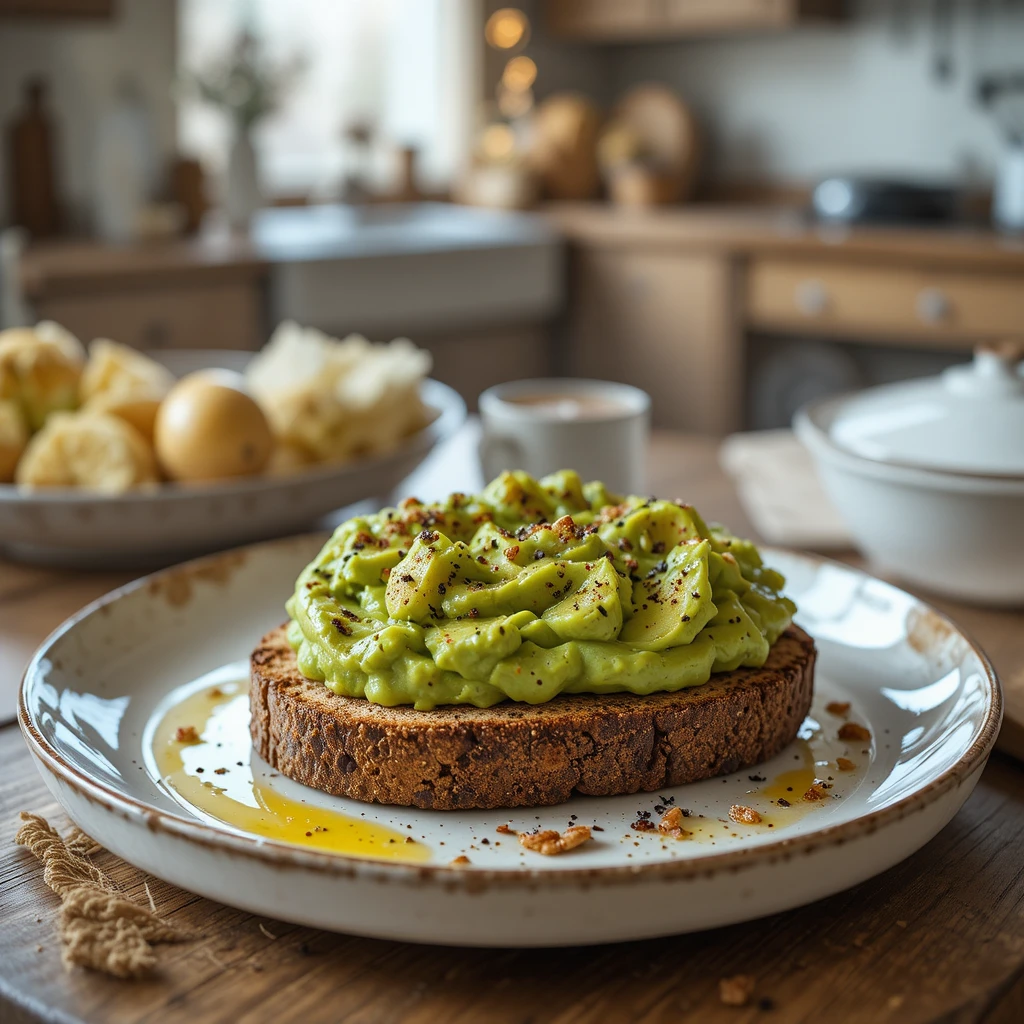
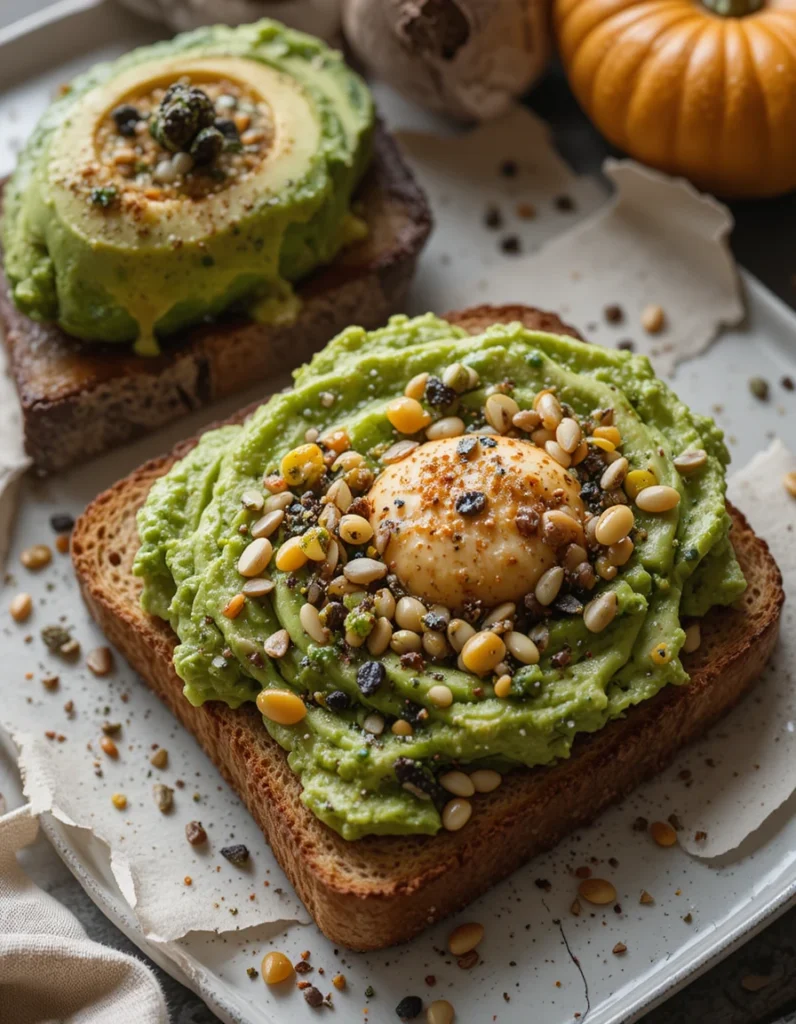
  • Winter Breakfast: Avocado on Toast

    Winter Breakfast: Avocado on Toast

    A Soft, Nourishing Start to Slow Mornings

    Winter breakfasts invite calm. The mornings are darker, the air cooler, and there’s a quiet comfort in starting the day with something warm, simple, and nourishing. Avocado on toast is a winter breakfast that feels gentle yet satisfying – creamy, comforting, and easy to enjoy slowly while the kettle boils.

    It’s familiar but never boring, adaptable to what you have on hand, and perfect for mornings when you want something wholesome without fuss.

    Why Avocado on Toast Works in Winter

    Although often thought of as a lighter breakfast, avocado on toast suits winter beautifully when served warm and thoughtfully seasoned. It is:

    • comforting without being heavy
    • nourishing and filling
    • quick to prepare on slow mornings
    • easy to adapt with winter toppings
    • grounding and familiar

    Served on warm toast, avocado becomes soft and soothing – ideal for colder days.

    Choosing the Right Toast

    Winter breakfasts benefit from heartier bread that holds warmth and texture:

    Toast until warm and lightly golden – crisp enough to hold the topping, soft enough to feel comforting.

    Ingredients (Serves: 1)

    • 1 ripe avocado
    • 1–2 slices of bread
    • Salt and freshly ground black pepper
    • Drizzle of olive oil or lemon juice

    Optional winter additions:

    • poached or fried egg
    • pan-seared mushrooms
    • chilli flakes
    • crumbled feta
    • roasted tomatoes
    • pumpkin or sunflower seeds

    How to Make Winter Avocado on Toast

    Step 1:  Toast the Bread

    Toast your bread until warm and lightly golden. Set aside.

    Step 2: Prepare the Avocado

    Scoop the avocado into a bowl and mash gently with a fork.
    Season with salt, pepper, and a drizzle of olive oil or lemon juice.

    Step 3: Assemble

    Spread the avocado generously over the warm toast.
    Add any optional toppings and finish with a final crack of black pepper.

    Serve immediately while the toast is still warm.

    Winter Variations

    To make avocado on toast feel especially suited to winter, try:

    • Avocado & Egg: soft and comforting
    • Avocado & Mushrooms: earthy and warming
    • Avocado & Feta: creamy and savoury
    • Avocado & Chilli: gentle heat for cold mornings
    • Avocado & Seeds: nourishing and grounding

    Each version keeps the simplicity while leaning into winter comfort.

    When to Enjoy It

    This breakfast is perfect for:

    • slow weekday mornings
    • winter weekends at home
    • post-walk breakfasts
    • late breakfasts edging into brunch
    • quiet mornings with tea or coffee

    It’s food that doesn’t rush you – it meets the pace of the season.

    Creating a Cosy Winter Morning Ritual

    Turn avocado on toast into a small winter ritual:

    • eat at the table, not on the go
    • open the curtains to soft grey light
    • light a lamp or candle
    • take a moment before the day begins

    Sometimes, the calmest mornings start with the simplest food.

    Final Thoughts

    Avocado on toast is winter breakfast at its gentlest – warm bread, soft avocado, and a quiet moment of nourishment before the day unfolds. It’s simple, steady, and quietly comforting.

    Warm toast, creamy avocado, soft winter light – a calm way to begin the morning. 

  • Knitting a Scarf in Winter: Slow Stitches, Warm Wool & Quiet Evenings

    Knitting a Scarf in Winter: Slow Stitches, Warm Wool & Quiet Evenings

    Winter is the season that invites us indoors. The days are shorter, the evenings longer, and suddenly there’s space for slower, more comforting hobbies. Knitting a scarf feels perfectly at home in winter – a gentle rhythm of stitches, warm wool resting in your hands, and something practical slowly taking shape as the hours pass.

    It’s not about speed or perfection. It’s about warmth, calm, and the quiet satisfaction of making something by hand while the world outside feels cold and still.

    Why Knitting Feels So Right in Winter

    Knitting naturally suits the winter months because it is:

    • slow and rhythmic
    • warming and tactile
    • calming after busy days
    • easy to pick up and put down
    • purposeful, yet relaxing

    A scarf is especially perfect – simple, repetitive, and forgiving. You don’t need complex patterns or counting; just stitch after stitch, evening after evening.

    Choosing Yarn for a Winter Scarf

    Winter scarves benefit from yarn that feels warm, soft, and comforting.

    Lovely choices include:

    • wool or wool blends for warmth
    • chunky yarn for quick progress
    • soft acrylic blends for easy care
    • neutral shades like cream, oat, grey, and taupe
    • deep winter tones like forest green, rust, navy, or burgundy

    The colour you choose often becomes part of the memory of the season.

    Simple Scarf Knitting (Perfect for Winter Evenings)

    A basic knit stitch scarf is ideal for winter.

    All you need is:

    • yarn
    • knitting needles suited to the yarn
    • time, patience, and a cosy spot

    Cast on, knit every row, and let the scarf grow naturally. There’s comfort in repetition – it gives your hands something to do while your mind rests.

    Creating a Cosy Knitting Evening

    Knitting a scarf becomes even more comforting when paired with a winter ritual:

    • lamp lighting instead of overhead lights
    • a blanket over your knees
    • tea, hot chocolate, or mulled apple juice nearby
    • a crackling fire or soft music
    • a dog asleep at your feet

    The atmosphere matters just as much as the stitches.

    Knitting Through the Winter

    There’s something lovely about knitting a scarf slowly across the season:

    • a few rows after dinner
    • a little progress each evening
    • watching it lengthen as winter deepens
    • finishing it just as the coldest days arrive

    By the time it’s done, the scarf carries the quiet hours you spent making it.

    A Scarf Made With Care

    Hand-knitted scarves are meaningful in a way shop-bought ones rarely are. They make:

    • thoughtful winter gifts
    • comforting keepsakes
    • practical cold-weather essentials
    • reminders of slow, quiet evenings

    Whether you keep it or gift it, a knitted scarf holds warmth beyond the wool itself.

    Gentle Winter Knitting Tips

    • Don’t rush – uneven stitches soften with wear
    • Choose comfort over complexity
    • Keep your project nearby for quiet moments
    • Embrace imperfections – they tell the story
    • Knit for warmth, not speed

    Winter is forgiving; knitting should be too.

    Final Thoughts

    Knitting a scarf in winter is about more than creating something warm to wear. It’s about slowing down, finding comfort in repetition, and filling dark evenings with something gentle and meaningful.

    Soft wool, steady stitches, quiet hours – a simple way to make winter feel warmer, one row at a time. 

  • Winter Breakfast: The Perfect Breakfast Toastie

    Winter Breakfast: The Perfect Breakfast Toastie

    A Warm, Comforting Start to Cold Mornings

    Winter mornings ask for a little extra comfort. The light is slow to arrive, the air feels cold, and the day begins best with something warm, filling, and familiar. A breakfast toastie is the perfect answer – golden on the outside, soft and comforting inside, and made to be enjoyed slowly while the kettle boils.

    This is the kind of breakfast that feels grounding. Nothing rushed, nothing complicated – just warm bread, savoury fillings, and a quiet moment before the day truly begins.

    Why a Breakfast Toastie Feels So Right in Winter

    A breakfast toastie fits winter mornings beautifully because it is:

    • warm and deeply comforting
    • filling enough to keep you going
    • quick to make but never feels rushed
    • endlessly adaptable to what you have on hand
    • perfect for slow mornings at home

    It’s especially welcome on frosty days, weekends, or mornings when the world outside feels a little grey.

    Ingredients (serves 1)

    • 2 slices of bread (sourdough, farmhouse, or wholemeal work well)
    • Butter, for spreading
    • 1 egg, softly scrambled or fried
    • 30–40 g cheese (cheddar works beautifully)

    Optional winter additions:

    • pan-seared mushrooms
    • caramelised onions
    • leftover roast vegetables
    • ham or bacon
    • a spoon of chutney or mustard

    How to Make a Winter Breakfast Toastie

    Step 1: Prepare the Bread

    Butter one side of each slice of bread.
    Lay one slice butter-side down and layer with cheese and your chosen fillings.

    Step 2: Add the Egg

    Add the cooked egg on top of the fillings, then finish with the second slice of bread, butter-side facing out.

    Step 3: Toast Gently

    Heat a frying pan over medium-low heat.
    Cook the toastie slowly for 3–4 minutes per side, pressing gently, until golden and crisp with melted cheese inside.

    Step 4: Serve Warm

    Slice in half and serve immediately while everything is warm and comforting.

    Winter Filling Ideas

    To keep things seasonal and cosy, try:

    • Cheese & Egg: classic and comforting
    • Mushroom & Cheese: earthy and warming
    • Ham, Cheese & Mustard: hearty and satisfying
    • Leftover Veg & Cheese: cosy and practical
    • Cheese & Chutney: sweet-savoury winter comfort

    Each version works beautifully on a cold morning.

    How to Enjoy It

    A breakfast toastie is best enjoyed:

    • with a mug of tea or coffee
    • wrapped in a jumper by the kitchen table
    • after a crisp morning walk
    • on slow weekends
    • when you want something warming but unfussy

    It also makes a lovely late breakfast or brunch on winter days.

    Creating a Cosy Winter Morning Ritual

    Turn your breakfast toastie into a small winter ritual:

    • light a candle or turn on a lamp instead of overhead lights
    • open the curtains to grey winter skies
    • eat sitting down, without rushing
    • let the warmth of the food ease you into the day

    Sometimes the smallest routines make winter feel softer.

    Final Thoughts

    A winter breakfast toastie is comfort food at its simplest – warm bread, savoury fillings, and a quiet start to the day. It doesn’t need much, just a little time and a warm pan.

    Golden, melty, and deeply satisfying – a perfect way to begin a winter morning.

  • Seeded Crackers: A Wholesome, Crunchy Winter Snack for Cosy Grazing

    Seeded Crackers: A Wholesome, Crunchy Winter Snack for Cosy Grazing

    Winter snacking often leans towards the comforting and familiar – slow evenings indoors, simple nibbles shared at the table, and food that feels both nourishing and satisfying. Seeded crackers are a perfect fit for this season: crisp, earthy, and full of texture, with a quiet heartiness that suits colder days.

    Whether served alongside soups, paired with cheese, or enjoyed as part of a winter grazing board, seeded crackers bring balance and warmth without feeling heavy. They’re the kind of snack you make once and reach for again and again throughout the week.

    Why Seeded Crackers Are Perfect for Winter

    Seeded crackers feel especially suited to winter because they are:

    • hearty and grounding
    • full of natural texture and flavour
    • satisfying without being rich
    • perfect with winter cheeses and dips
    • ideal for slow, cosy snacking

    They pair beautifully with the foods we naturally gravitate towards in winter – soups, stews, cheeses, and warm drinks close by.

    Ingredients (makes: 20–30 crackers – depending on size)

    • 120 g plain flour (or wholemeal for extra depth)
    • 50 g mixed seeds (sunflower, pumpkin, sesame, linseed)
    • ½ tsp salt
    • 2 tbsp olive oil
    • 80–100 ml water

    Optional additions:

    • cracked black pepper
    • dried rosemary or thyme
    • pinch of smoked paprika
    • grated Parmesan

    Recipe

    Step 1: Make the Dough

    Preheat your oven to 180°C (fan).
    In a bowl, mix the flour, seeds, salt, and any optional flavourings.
    Add the olive oil and enough water to bring everything together into a firm dough.

    Step 2: Roll Thinly

    Turn the dough out onto a lightly floured surface.
    Roll as thinly as possible – the thinner the dough, the crisper the crackers.

    Step 3: Cut & Bake

    Cut into squares or rustic shapes and place on a lined baking tray.
    Bake for 15–20 minutes, until lightly golden and crisp.

    Step 4: Cool

    Allow to cool completely on a rack – they’ll crisp up further as they cool.

    How to Enjoy Seeded Crackers

    These crackers are wonderfully versatile and suit so many winter moments:

    • with cheese and chutney
    • alongside a bowl of soup
    • with hummus or whipped feta
    • as part of a winter grazing board
    • packed into lunchboxes
    • served with olives and roasted nuts

    They’re especially lovely paired with sharp cheddar, soft brie, or baked camembert.

    Winter Variations

    • Rosemary & Sea Salt: rustic and fragrant
    • Cheese Seed Crackers: richer and comforting
    • Pepper & Parmesan: savoury with depth
    • Spiced Crackers: add cumin or paprika
    • Extra Seeded: top with more seeds before baking

    Each variation keeps that cosy, winter-ready feel.

    Create a Cosy Winter Snacking Moment

    Seeded crackers are perfect for evenings when:

    • the house feels calm
    • candles are lit
    • soup simmers gently
    • a board of simple nibbles sits on the table
    • the pace of the day slows

    They’re snacks meant to be enjoyed slowly, between sips of something warm.

    Final Thoughts

    Seeded crackers are winter snacking at its simplest and most satisfying – crunchy, nourishing, and endlessly adaptable. They bring balance to richer winter foods and feel right at home on a candlelit table during the colder months.

    Bake a batch, break out the cheese, and enjoy the quiet comfort of winter grazing. 

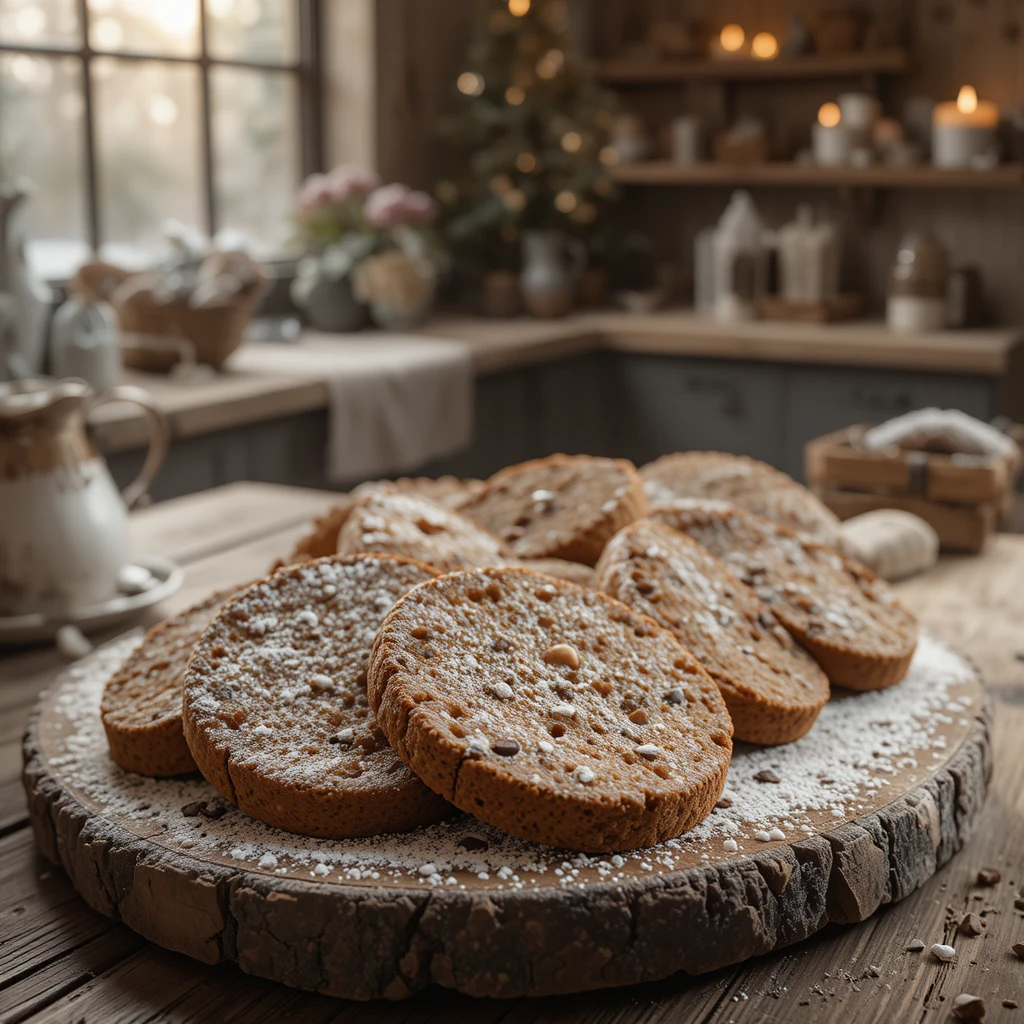
  • Gingerbread: A Spiced Winter Snack for Cosy Days & Festive Evenings

    Gingerbread: A Spiced Winter Snack for Cosy Days & Festive Evenings

    There are few scents as instantly wintery as gingerbread baking in the oven. Warm spices drifting through the house, soft golden light outside, and the promise of something sweet and comforting waiting to be enjoyed – gingerbread is winter in edible form.

    Whether baked into soft squares, crisp biscuits, or gently spiced loaf slices, gingerbread is the kind of snack that feels made for cold days and long evenings. It’s rich, warming, and wonderfully nostalgic – a treat that turns an ordinary winter afternoon into something quietly special.

    Why Gingerbread Feels Perfect in Winter

    Gingerbread suits the colder months beautifully because it is:

    • warmly spiced and comforting
    • rich without being heavy
    • perfect with hot drinks
    • nostalgic and familiar
    • ideal for sharing and gifting

    It’s a bake that feels as much about atmosphere as flavour – cosy kitchens, flickering candles, and slow moments at home.

    Ingredients (makes: 12–16 slices or squares)

    • 225 g plain flour
    • 1 tsp bicarbonate of soda
    • 1 tsp ground ginger
    • 1 tsp ground cinnamon
    • ½ tsp ground nutmeg
    • 100 g butter
    • 100 g dark brown sugar
    • 150 g golden syrup or treacle
    • 1 egg
    • 100 ml milk

    Recipe

    Step 1: Preheat & Prepare

    Preheat your oven to 180°C (fan) and line a square tin or loaf tin with parchment paper.

    Step 2: Mix the Dry Ingredients

    In a bowl, sift together the flour, bicarbonate of soda, ginger, cinnamon, and nutmeg.

    Step 3: Melt & Combine

    In a saucepan, gently melt the butter, sugar, and syrup together.
    Allow to cool slightly, then stir in the egg and milk.

    Step 4: Bring Together

    Pour the wet ingredients into the dry and mix gently until smooth.

    Step 5: Bake

    Pour into the tin and bake for 30–35 minutes, until a skewer comes out clean.

    Allow to cool slightly before slicing – it becomes even more tender as it settles.

    How to Enjoy Gingerbread in Winter

    Gingerbread is perfect enjoyed:

    • with a mug of tea, coffee, or hot chocolate
    • sliced and lightly buttered
    • as an afternoon snack by the fire
    • wrapped and gifted to friends
    • served warm with cream or custard
    • tucked into lunchboxes on cold days

    It’s one of those bakes that feels comforting any time of day.

    Winter Variations

    • Sticky Gingerbread: add chopped dates or extra treacle
    • Orange Gingerbread: add orange zest for brightness
    • Chocolate Gingerbread: stir in dark chocolate chunks
    • Festive Gingerbread: add cloves or allspice
    • Gingerbread Loaf: bake in a loaf tin for easy slicing

    Each version keeps that unmistakable winter warmth.

    Create a Cosy Winter Baking Moment

    Bake gingerbread when:

    • the house feels quiet
    • the windows glow with warm light
    • the kettle is always on
    • candles flicker in the kitchen
    • you want the home to smell like winter

    Sometimes the smell alone is reason enough.

    Final Thoughts

    Gingerbread is winter snacking at its most comforting – softly spiced, gently sweet, and filled with nostalgia. It brings warmth not just to the table, but to the whole home.

    Slice, serve, and enjoy the quiet joy of winter baking. 

  • Cheese & Herb Scones: A Cosy Winter Snack Fresh from the Oven

    Cheese & Herb Scones: A Cosy Winter Snack Fresh from the Oven

    There’s something wonderfully comforting about baking on a winter afternoon – the oven warming the kitchen, the scent of butter and cheese in the air, and the promise of something savoury to enjoy while it’s still warm. Cheese & herb scones are the perfect winter snack: soft and fluffy inside, lightly crisp on the outside, and full of rich, savoury flavour.

    They’re simple, unfussy, and deeply satisfying – ideal for slow weekends, afternoon tea with a twist, or a cosy snack enjoyed with soup, tea, or a crackling fire nearby.

    Why Cheese & Herb Scones Are Perfect for Winter

    Savoury baking feels especially right in winter, and these scones tick all the comforting boxes. They are:

    • warm and filling
    • rich with cheese and butter
    • gently fragrant with herbs
    • quick to make
    • perfect for sharing

    They’re also a lovely alternative to sweet bakes when you’re craving something hearty and nourishing.

    Ingredients (makes: 8–10 scones)

    • 225 g self-raising flour
    • Pinch of salt
    • 50 g cold butter, cubed
    • 100 g mature cheddar, grated
    • 1–2 tsp dried herbs (thyme, rosemary, or mixed herbs)
    • 1 tsp mustard powder (optional, for depth)
    • 150 ml milk
    • Extra milk or beaten egg, for glazing

    Recipe

    Step 1: Preheat & Prepare

    Preheat your oven to 200°C (fan) and line a baking tray with parchment paper.

    Step 2: Rub in the Butter

    Place the flour and salt in a bowl.
    Rub in the butter with your fingertips until the mixture resembles breadcrumbs.

    Step 3: Add Cheese & Herbs

    Stir through the grated cheese, dried herbs, and mustard powder if using.

    Step 4: Bring the Dough Together

    Add the milk gradually, mixing gently until a soft dough forms.
    Be careful not to overwork it – this keeps the scones light.

    Step 5: Shape & Cut

    Turn the dough out onto a lightly floured surface.
    Pat it gently to about 3–4 cm thick and cut into rounds.

    Step 6: Bake

    Place on the baking tray, brush the tops with milk or egg, and bake for 12–15 minutes, until risen and golden.

    Serve warm if possible – that’s when they’re at their very best.

    How to Enjoy Cheese & Herb Scones

    These scones are wonderfully versatile and suit so many winter moments. Enjoy them:

    • warm with butter melting into the crumb
    • alongside a bowl of soup or stew
    • split and filled with cream cheese
    • served on a winter grazing board
    • as a savoury afternoon snack with tea
    • packed up for a cosy lunch

    They’re especially lovely eaten fresh from the oven while the cheese is still soft.

    Winter Variations

    • Cheddar & Chive: fresh, mild onion flavour
    • Cheese & Rosemary: deeply warming and rustic
    • Cheese & Black Pepper: simple and classic
    • Cheese & Onion: add finely diced, softened onion
    • Extra Cheesy: sprinkle grated cheese on top before baking

    Each version keeps that cosy winter feel while offering a slightly different flavour.

    Create a Cosy Winter Baking Moment

    Bake cheese & herb scones on a day when:

    • the weather is cold outside
    • the house feels quiet
    • soup is simmering on the hob
    • candles are lit in the kitchen
    • you want something comforting but simple

    The smell alone makes winter feel warmer.

    Final Thoughts

    Cheese & herb scones are one of those winter snacks that never disappoint – warm, savoury, and deeply comforting. They’re quick to bake, easy to share, and perfect for embracing the slower rhythm of the season.

    Bake a batch, pour a mug of tea, and enjoy a quiet, cosy moment at home. 

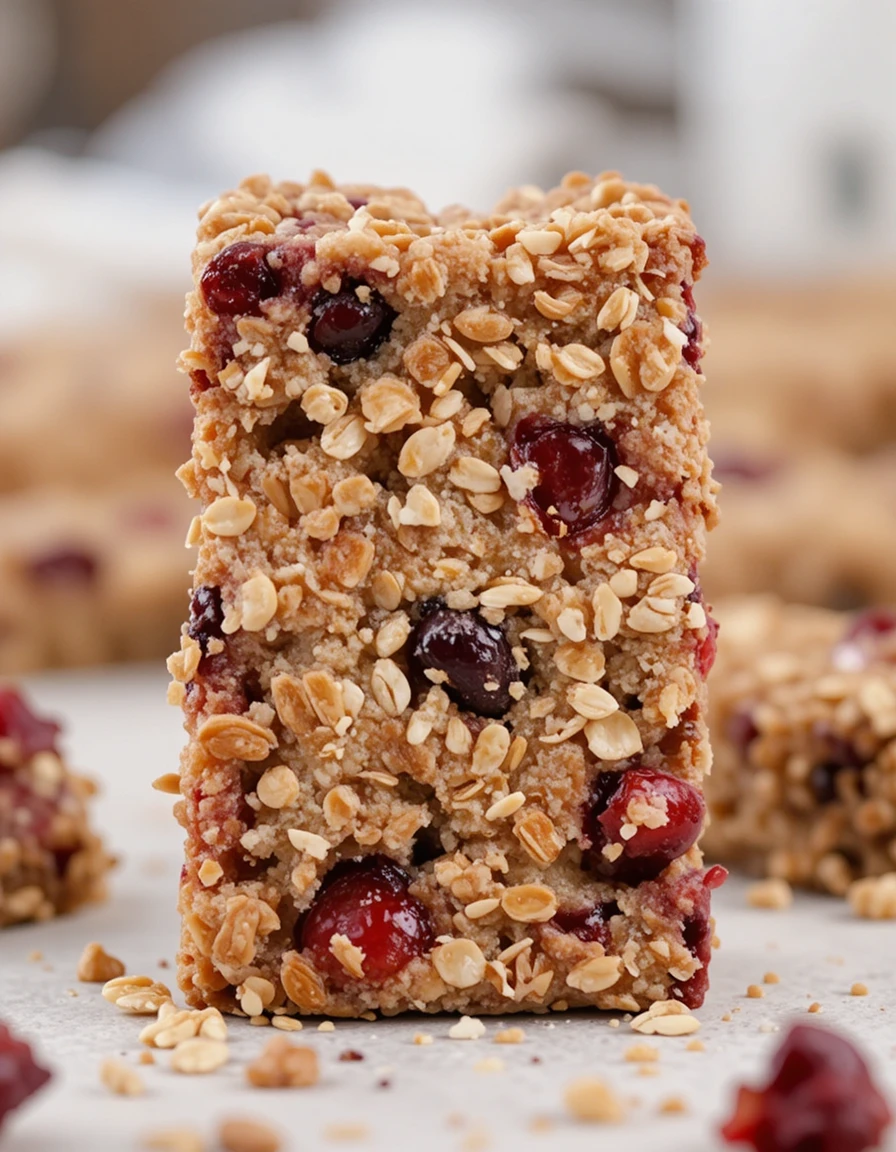
  • Cranberry Oat Bars: A Cosy, Wholesome Winter Snack for Slow Days

    Cranberry Oat Bars: A Cosy, Wholesome Winter Snack for Slow Days

    Winter snacking is all about comfort – something nourishing, gently sweet, and satisfying enough to enjoy with a warm drink while the daylight fades early. These cranberry oat bars are just the thing. Soft yet hearty, lightly golden, and studded with tangy cranberries, they feel homely and reassuring in the best possible way.

    Perfect for afternoon tea, post-walk refuelling, lunchbox treats, or quiet evenings at home, cranberry oat bars are simple to make and even better enjoyed slowly. They’re the kind of bake that fits seamlessly into winter life – unfussy, warming, and deeply comforting.

    Ingredients (makes: 9–12 bars)

    • 200 g rolled oats
    • 100 g plain flour
    • 100 g unsalted butter
    • 100 g light brown sugar
    • 2 tbsp golden syrup or honey
    • 100 g dried cranberries
    • ½ tsp cinnamon
    • Pinch of salt
    • Optional:
      • 50 g chopped nuts (walnuts or almonds)
      • 1 tsp orange zest
      • 1 tbsp seeds (pumpkin or sunflower)

    Recipe

    Step 1: Preheat & Prepare

    Preheat your oven to 170°C (fan). Line a square baking tin (around 20 × 20 cm) with parchment paper.

    Step 2: Melt the Wet Ingredients

    In a small saucepan, gently melt the butter, brown sugar, and golden syrup together, stirring until smooth. Remove from the heat.

    Step 3: Mix the Dry Ingredients

    In a large bowl, combine the oats, flour, cinnamon, salt, cranberries, and any optional add-ins.

    Step 4: Bring It Together

    Pour the melted mixture into the dry ingredients and stir until everything is well coated and evenly mixed.

    Step 5: Bake

    Press the mixture firmly into the prepared tin. Bake for 25–30 minutes, until lightly golden around the edges.

    Step 6: Cool & Slice

    Allow to cool completely in the tin before slicing into bars or squares. This helps them set beautifully.

    Why Cranberry Oat Bars Are Perfect for Winter

    These bars feel especially suited to the colder months because they’re:

    • Hearty and filling
    • Gently sweet, not overpowering
    • Soft with a slight chew
    • Easy to store for a few days
    • Comforting with hot drinks

    The tartness of cranberries cuts through the richness of oats and butter, creating a lovely balance that feels just right in winter.

    How to Enjoy Them

    Cranberry oat bars are wonderfully versatile. Enjoy them:

    • With a mug of tea, chai, or hot chocolate
    • As a mid-morning snack
    • After a winter walk
    • Packed for work or school
    • Crumbled over yoghurt for breakfast
    • As part of a cosy winter grazing board

    They’re also ideal for sharing – wrapped in parchment or stored in a tin on the kitchen counter.

    Winter Variations

    • Cranberry & Orange: Add orange zest for brightness.
    • Cranberry & White Chocolate: Stir in white chocolate chips after cooling.
    • Cranberry & Almond: Swap some oats for flaked almonds.
    • Spiced Cranberry: Add nutmeg or mixed spice for extra warmth.
    • Vegan option: Use plant-based butter and maple syrup.

    Create a Cosy Baking Moment

    Bake these bars on a slow winter afternoon when the oven’s already on, music plays softly, and the kitchen feels warm and welcoming. Let the scent of oats and cranberries fill the house – it’s the kind of small ritual that makes winter feel comforting and calm.

    Final Thoughts

    These cranberry oat bars are a winter snack that feels both nourishing and indulgent – simple to make, easy to store, and perfect for slow seasonal living. Whether enjoyed with a hot drink or tucked into a coat pocket for a chilly walk, they bring a little warmth and comfort to winter days.

    Bake a batch, slice generously, and enjoy the quiet pleasure of a homemade winter treat. 

  • Winter Steak Dinners: Hearty Comfort, Simple Pleasures & Cold-Weather Cooking

    Winter Steak Dinners: Hearty Comfort, Simple Pleasures & Cold-Weather Cooking

    There’s something especially satisfying about a steak dinner in winter. When the evenings are dark and the air feels sharp, steak brings warmth, richness, and that unmistakable feeling of being well-fed. It’s simple food, cooked with care – a sizzling pan, the scent of butter and herbs, and a meal that feels grounding after a cold day.

    Winter steak dinners aren’t about fuss or flash. They’re about comfort: well-seasoned meat, familiar sides, and taking the time to enjoy a proper meal at home.

    Why Steak Feels Perfect for Winter

    Steak suits the colder months beautifully because it is:

    • rich and satisfying
    • warming and filling
    • quick to cook but deeply comforting
    • ideal with winter sides like mash and roasted vegetables
    • perfect for cosy evenings at home

    It’s the kind of meal that feels like a reward – especially after a frosty walk or a long winter day.

    Choosing the Right Steak

    For winter cooking, look for steaks with good flavour and a little marbling:

    • Sirloin – balanced, juicy, and reliable
    • Ribeye – rich, buttery, and indulgent
    • Rump – full-flavoured and hearty
    • Fillet – tender and refined, perfect for special evenings

    Let the steak come to room temperature before cooking – it helps it cook evenly and stay juicy.

    Simple Winter Steak Method (serves: 2)

    Ingredients

    • 2 steaks
    • 1 tbsp olive oil
    • 25 g butter
    • 1 garlic clove, crushed
    • Fresh thyme or rosemary
    • Salt and freshly ground black pepper

    Recipe

    1. Season the steaks generously with salt and pepper.
    2. Heat a heavy pan over high heat until hot.
    3. Add olive oil, then the steaks.
    4. Cook for 2–4 minutes per side depending on thickness and how you like it cooked.
    5. Add butter, garlic, and herbs, then baste the steaks for the final minute.
    6. Rest the steaks for 5 minutes before serving.

    Resting is essential – it keeps the steak tender and full of flavour.

    Perfect Winter Steak Sides

    Steak truly shines when paired with comforting winter sides:

    Together, they create a plate that feels deeply seasonal and satisfying.

    Create a Cosy Winter Steak Night

    Turn steak night into a winter ritual:

    • dim the lights and light a candle
    • use warm plates
    • serve with a glass of red wine or winter mocktail
    • play soft music in the background
    • enjoy the meal slowly, without rushing

    Even a midweek steak can feel special with the right atmosphere.

    Winter Variations

    • Steak & Mushroom Sauce: rich and earthy
    • Steak with Red Wine Jus: perfect for slow evenings
    • Steak & Chips (winter-style): chunky chips and pepper sauce
    • Steak & Mash: ultimate comfort pairing
    • Steak Salad (warm): lighter but still satisfying

    Final Thoughts

    A winter steak dinner is comfort food at its simplest and most satisfying. Rich, warming, and deeply familiar, it’s a reminder that good ingredients cooked well don’t need much embellishment – just time, warmth, and a little care.

    Cook slowly, serve generously, and enjoy the quiet comfort of a winter meal done right.