Category: Winter Comforts

  • Rich Winter Gravy: The Comforting Finishing Touch That Brings Everything Together

    Rich Winter Gravy: The Comforting Finishing Touch That Brings Everything Together

    In winter, it’s often the simplest things that make a meal truly comforting – and rich, homemade gravy is one of them. Glossy, deeply flavoured, and gently steaming, good gravy has the power to transform a plate of food into something warming, indulgent, and utterly satisfying.

    Whether poured generously over creamy mashed potato, spooned onto roast vegetables, or served alongside a slow-cooked joint, gravy is the quiet hero of winter cooking. It’s not rushed, not complicated – just carefully built flavour, stirred slowly, and enjoyed warm.

    Why Gravy Feels So Essential in Winter

    As the days grow colder, we naturally turn to meals that feel grounding and nourishing. Gravy adds:

    • warmth and richness
    • depth to simple ingredients
    • moisture and comfort
    • that familiar, homely feeling we crave in winter

    It brings everything on the plate together – especially during roasts, Sunday lunches, and cosy evening meals.


    Ingredients (serves: 4–6)

    • 2 tbsp fat from a roast tin (or butter if needed)
    • 2 tbsp plain flour
    • 500 ml hot stock (beef, chicken, or vegetable)
    • 1 tsp gravy browning (optional)
    • Salt and black pepper

    Optional flavour boosters:

    • splash of red wine or port
    • teaspoon of mustard
    • dash of Worcestershire sauce
    • fresh thyme or rosemary
    • finely chopped onion or shallot

    Recipe

    Step 1: Make the Roux

    Place the roasting tin (or a saucepan) over a low to medium heat.
    Add the fat and stir in the flour, cooking gently for 1–2 minutes to remove the raw flour taste.

    Step 2: Add the Stock

    Gradually whisk in the hot stock, a little at a time, to prevent lumps.
    Keep whisking until smooth and thickened.

    Step 3: Simmer & Build Flavour

    Allow the gravy to simmer gently for 5–10 minutes, stirring occasionally.
    Add any optional flavour boosters at this stage.

    Step 4: Season & Finish

    Taste and season with salt and plenty of black pepper.
    Strain if you prefer a silky finish, or leave rustic and spoonable.

    Serve piping hot.

    Tips for Extra-Rich Winter Gravy

    • Use pan juices whenever possible – they add unbeatable flavour
    • Warm the stock first for a smoother gravy
    • Simmer slowly to deepen the taste
    • Don’t rush seasoning – taste as you go
    • Strain for elegance, or leave chunky for farmhouse style

    Gravy thickens as it cools, so keep it gently warm before serving.

    What to Serve Rich Gravy With

    Winter gravy pairs beautifully with:

    It’s also perfect when spooned over leftovers the next day.

    Create a Cosy Winter Table

    Gravy is best served when:

    • the table is warm and inviting
    • candles flicker nearby
    • dishes are passed slowly
    • everyone gathers close

    Pour it generously and enjoy the quiet satisfaction it brings – it’s winter comfort in liquid form.

    Final Thoughts

    Rich gravy is one of winter’s simplest pleasures – slow, savoury, and deeply comforting. It doesn’t demand attention, but it quietly makes every winter meal feel complete.

    Stir gently, pour generously, and enjoy the warmth it brings to the table. 

  • Herb-Roasted Chickpeas: A Crispy, Comforting Winter Snack for Cosy Days

    Herb-Roasted Chickpeas: A Crispy, Comforting Winter Snack for Cosy Days

    Winter snacking often leans towards the rich and indulgent – but sometimes what we crave is something warm, savoury, and satisfying, without feeling heavy. These herb-roasted chickpeas are exactly that: crispy on the outside, soft in the middle, and gently seasoned with winter herbs that fill the kitchen with comforting aromas as they roast.

    They’re perfect for slow afternoons at home, cosy evenings curled up on the sofa, or as a wholesome nibble alongside soups, stews, and winter salads. Simple to make, nourishing, and deeply comforting, this is the kind of snack you’ll find yourself making again and again through the colder months.

    Ingredients (serves: 2–3 as a snack)

    • 1 tin (400 g) chickpeas, drained and rinsed
    • 1 tbsp olive oil
    • ½ tsp dried rosemary
    • ½ tsp dried thyme
    • ½ tsp smoked paprika
    • ½ tsp garlic powder
    • Salt and black pepper, to taste

    Optional extras:

    • Pinch of chilli flakes for warmth
    • Grated Parmesan after roasting
    • Lemon zest for brightness

    Recipe

    Step 1: Preheat & Prepare

    Preheat your oven to 200°C (fan).
    Drain and rinse the chickpeas, then pat them very dry with a clean tea towel – this helps them crisp up beautifully.

    Step 2: Season

    Place the chickpeas in a bowl and toss with olive oil, rosemary, thyme, smoked paprika, garlic powder, salt, and pepper until evenly coated.

    Step 3: Roast

    Spread the chickpeas in a single layer on a baking tray.
    Roast for 30–35 minutes, shaking the tray halfway through, until golden, crisp, and fragrant.

    Step 4: Cool Slightly & Serve

    Allow to cool for a few minutes – they’ll crisp up even more as they cool.
    Taste and adjust seasoning if needed.

    Why Herb-Roasted Chickpeas Are Perfect for Winter

    These little bites are wonderfully suited to the colder season because they’re:

    • Warm and comforting straight from the oven
    • Full of earthy, herbal flavours
    • Nourishing and protein-rich
    • Crunchy and satisfying
    • Easy to make in small batches

    They’re a lovely alternative to crisps or biscuits on winter evenings, especially when paired with a hot drink or enjoyed alongside a bowl of soup.

    Ways to Enjoy Them

    Herb-roasted chickpeas are beautifully versatile. Enjoy them:

    • As a cosy sofa snack
    • Sprinkled over winter salads or grain bowls
    • Scattered on top of soups for crunch
    • Served alongside a cheese board
    • Packed into lunchboxes
    • As a nibble while journalling, reading, or watching a winter film

    They’re also perfect for festive grazing boards when you want something lighter but still flavourful.

    Winter Flavour Variations

    • Rosemary & Sea Salt – classic and cosy
    • Garlic & Parmesan – rich and comforting
    • Smoked Paprika & Thyme – warm and earthy
    • Cinnamon & Paprika – subtle spice with depth
    • Lemon & Herb – brightens darker winter days

    Create a Cosy Winter Moment

    Make these on a quiet winter afternoon when:

    • the oven is already on
    • music or an audiobook plays softly
    • daylight fades early
    • you want something warm and savoury without fuss

    Let the herb-filled aroma drift through the kitchen – it instantly makes the home feel snug and welcoming.

    Final Thoughts

    These herb-roasted chickpeas are a winter snack that feels both nourishing and indulgent – warm, crunchy, and full of comforting flavour. They’re simple to make, endlessly adaptable, and perfect for embracing the slower rhythm of the season.

    Roast a batch, pour something warm to drink, and enjoy a small, cosy moment – winter snacking at its best. 

  • Cedarwood Candle Making: A Cosy Winter Craft for Calm, Woodsy Evenings

    Cedarwood Candle Making: A Cosy Winter Craft for Calm, Woodsy Evenings

    Winter invites us to slow down – to lean into gentle rituals, warm scents, and the simple act of making something beautiful with our hands. Candle making is one of the most soothing winter crafts, and cedarwood is the perfect scent for the season.

    Earthy, grounding, and reminiscent of winter forests, cedarwood brings a sense of warmth and calm to the home. When blended into a homemade candle, the scent fills your space with a soft, natural cosiness – ideal for dark evenings, quiet moments, and creating that snug winter atmosphere.

    Making your own cedarwood candle is easier than you might think, and it feels wonderfully rewarding. Here’s how to craft your own woodsy, winter candle at home.

    Why Cedarwood Is a Perfect Winter Scent

    Cedarwood smells like:

    • log cabins
    • crisp forest walks
    • freshly cut wood
    • warm, earthy stillness

    It pairs beautifully with winter’s mood – grounding, comforting, and timeless.

    Cedarwood is also known for its calming properties, making it perfect for:

    It’s the kind of scent that helps you unwind deeply on cold days.

    Supplies You’ll Need

    For two medium candles:

    • 200 g soy wax flakes
    • 2 candle wicks (cotton or wooden)
    • 2 heatproof jars or containers
    • 20–25 drops cedarwood essential oil
    • 1–2 drops vanilla, patchouli, or orange (optional for blending)
    • Wick stickers or a dab of melted wax
    • Wooden stirrer or spoon
    • Double boiler or heatproof bowl
    • Thermometer

    How to Make Cedarwood Winter Candles

    Step 1: Prepare Your Jars

    • Attach the wick to the bottom of each jar using stickers or melted wax.
    • Keep the wick centred by securing it around a pencil or wick holder resting across the top.

    Step 2: Melt the Wax

    • Place the wax in a heatproof bowl over a saucepan of simmering water (double boiler).
    • Heat until fully melted and smooth.
    • Remove from heat and allow to cool slightly – you want it around 65–70°C before adding fragrance.

    Step 3: Add the Scent

    Stir in:

    • 20–25 drops cedarwood essential oil
    • Optional: 1–2 drops vanilla, orange, or patchouli for a winter blend

    Mix slowly for 30 seconds to distribute the fragrance.

    Step 4: Pour the Wax

    • Carefully pour the wax into your jars, keeping the wick upright.
    • Leave a little space at the top for a clean finish.

    Step 5: Set & Cure

    • Allow the candles to cool undisturbed for several hours.
    • Trim the wick to around 5 mm after setting.
    • For best scent performance, let them cure for 24–48 hours before burning.

    Now you have beautifully scented winter candles ready to enjoy.

    Optional Winter Fragrance Blends

    Cedarwood pairs wonderfully with other cosy notes:

    Cedarwood + Orange

    Bright, cheerful, festive.

    Cedarwood + Vanilla

    Soft, warm, comforting – perfect for bedrooms.

    Cedarwood + Cinnamon

    Spicy and woody – ideal for living spaces.

    Cedarwood + Patchouli

    Earthy and grounding.

    Cedarwood + Rosemary

    Fresh, herbal, and wintry.

    How to Set a Cosy Winter Atmosphere with Your Candle

    Light your cedarwood candle during:

    • slow winter evenings with a blanket
    • quiet morning journalling
    • reading in your favourite nook
    • a warm bath after a frosty walk
    • festive gatherings where soft, natural fragrance adds warmth

    Its subtle woodsy scent fills the home with winter calm.

    Final Thoughts

    Cedarwood candle making is a winter craft that feels simple yet deeply comforting. As the wax cools, the scent drifts gently through your home – grounding, calming, and beautifully reminiscent of winter forests.

    Whether you keep them for yourself or gift them to loved ones, these candles bring a handmade warmth to the coldest months of the year.

    Light one, pour a warm drink, and let the cosiness settle in. 

  • Creamy Mashed Potato: The Ultimate Winter Comfort Side Dish

    Creamy Mashed Potato: The Ultimate Winter Comfort Side Dish

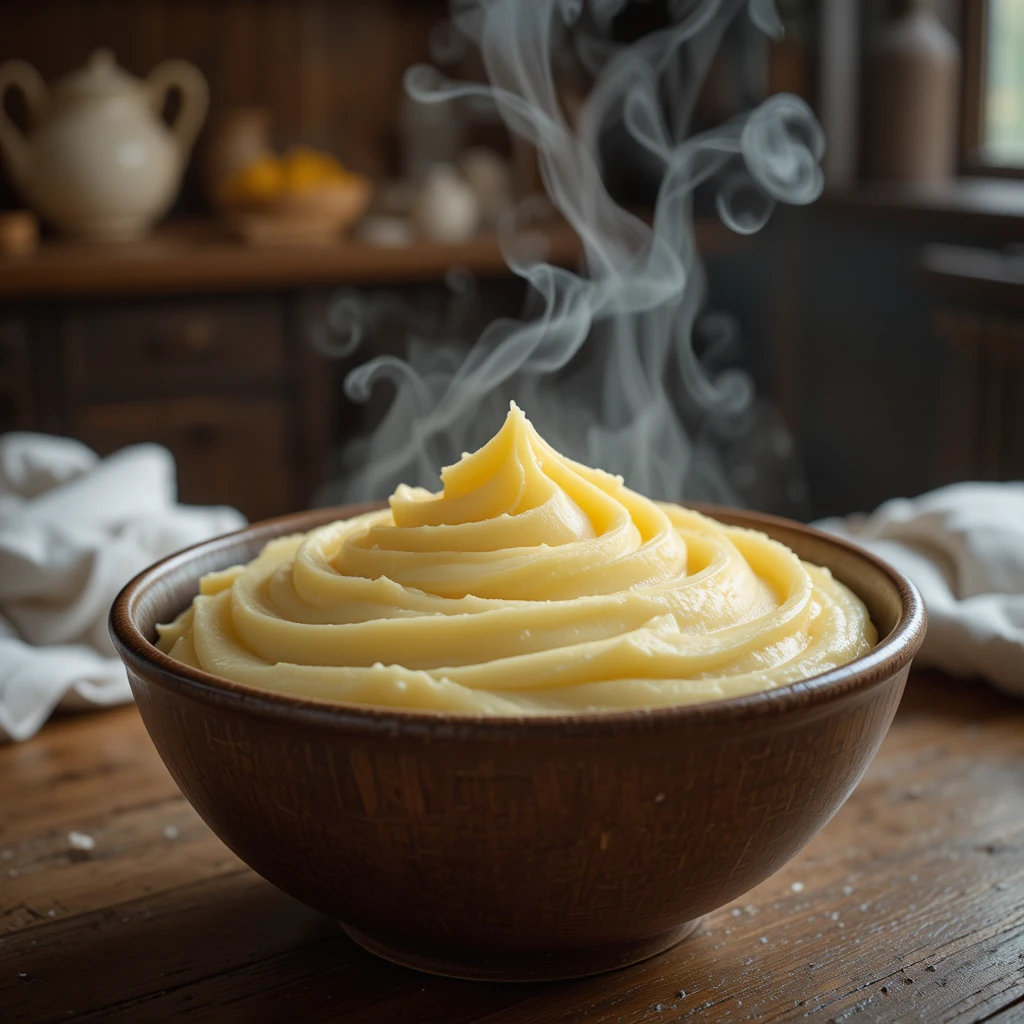
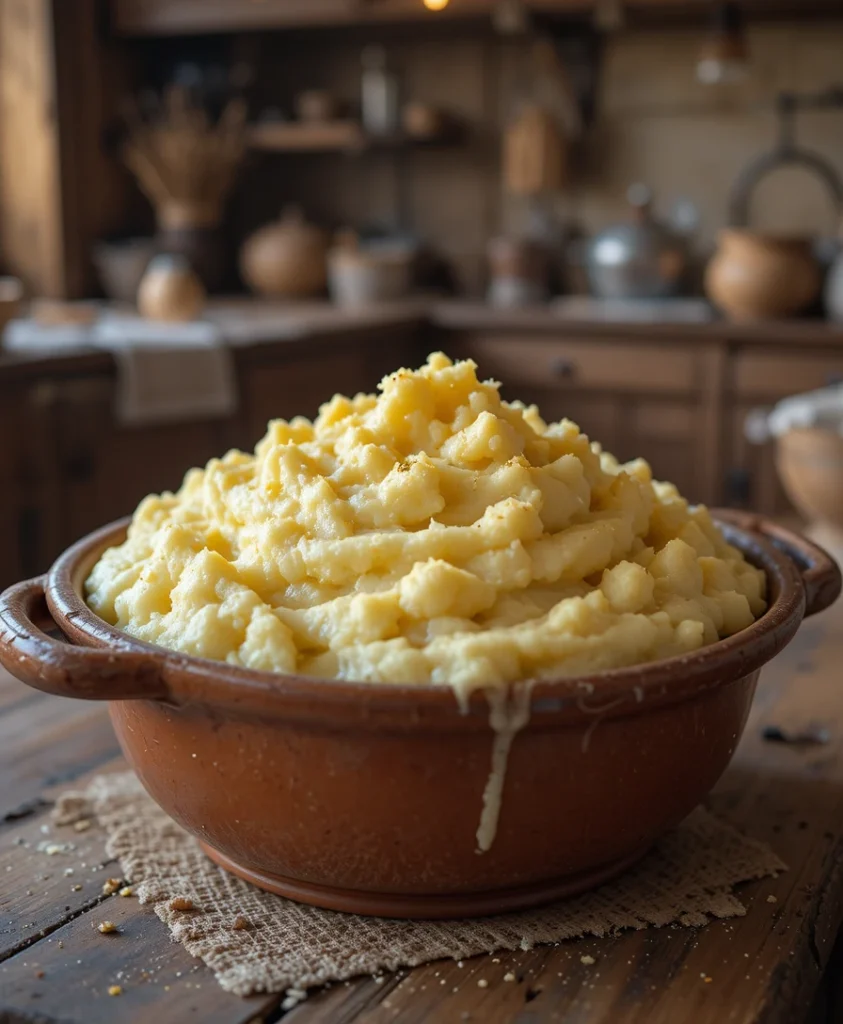
    There are few things as quietly comforting as a bowl of creamy mashed potato on a cold winter’s day. Soft, buttery, and indulgently smooth, mash is one of those timeless dishes that instantly makes a meal feel warmer, slower, and more nourishing.

    In winter, when we naturally gravitate towards hearty stews, roasts, and pies, mashed potato becomes the perfect companion – soaking up sauces, adding richness, and bringing a sense of homely familiarity to the table. Simple though it may be, good mash is something to savour.

    Why Mashed Potato Is Perfect for Winter

    Mashed potato suits the colder months beautifully because it is:

    • warming and filling
    • soft and comforting
    • endlessly versatile
    • made from simple, affordable ingredients
    • the perfect base for rich winter dishes

    It’s food that feels grounding – the kind you enjoy slowly, preferably with a blanket nearby and a steaming plate in front of you.

    Ingredients (serves: 4 as a side)

    • 1 kg floury potatoes (such as Maris Piper or King Edward)
    • 50 g butter
    • 100–150 ml whole milk or double cream (to taste)
    • Salt and freshly ground black pepper

    Optional additions:

    • splash of cream for extra richness
    • a little grated nutmeg
    • roasted garlic
    • chopped chives or parsley

    Recipe

    Step 1: Cook the Potatoes

    Peel and chop the potatoes into even-sized pieces.
    Place them in a large saucepan of cold, salted water and bring to the boil.
    Simmer for 15–20 minutes, until very tender.

    Step 2: Drain & Dry

    Drain the potatoes well, then return them to the hot pan for a minute to allow excess moisture to steam away. This helps create fluffier mash.

    Step 3: Mash Until Smooth

    Mash the potatoes thoroughly using a potato masher or ricer until smooth and lump-free.

    Step 4: Add Butter & Milk

    Add the butter first, allowing it to melt into the warm potatoes.
    Gradually pour in the milk or cream, stirring gently until you reach your preferred consistency.

    Step 5: Season & Serve

    Season generously with salt and black pepper.
    Serve hot, with a final knob of butter melting on top if you like.

    Winter Variations

    Mashed potato is wonderfully adaptable. Try these twists:

    • Garlic Mash: stir through roasted garlic for deep flavour
    • Cheesy Mash: add grated cheddar or Parmesan
    • Mustard Mash: a spoon of wholegrain or Dijon mustard
    • Herb Mash: fresh thyme, chives, or parsley
    • Creamy Leek Mash: fold through softened leeks

    Each variation pairs beautifully with winter mains.

    What to Serve with Creamy Mash

    Creamy mashed potato is the perfect partner to so many winter dishes, including:

    It’s also delicious served simply, with gravy and seasonal greens.

    Create a Cosy Winter Table

    Mashed potato has a way of anchoring a winter meal. Serve it when:

    • the evenings are dark
    • candles are lit on the table
    • the kitchen feels warm
    • comfort is the priority

    Bring the bowl straight to the centre of the table and let everyone help themselves – it’s food meant to be shared.

    Final Thoughts

    Creamy mashed potato is winter comfort food in its purest form – simple, soft, and deeply satisfying. It doesn’t shout for attention, but it quietly makes every winter meal better.

    Warm, buttery, and familiar, it’s the kind of dish that reminds us why home cooking feels so comforting when the weather turns cold. 

  • Homemade Cranberry Sauce: A Simple, Bright, and Festive Winter Staple

    Homemade Cranberry Sauce: A Simple, Bright, and Festive Winter Staple

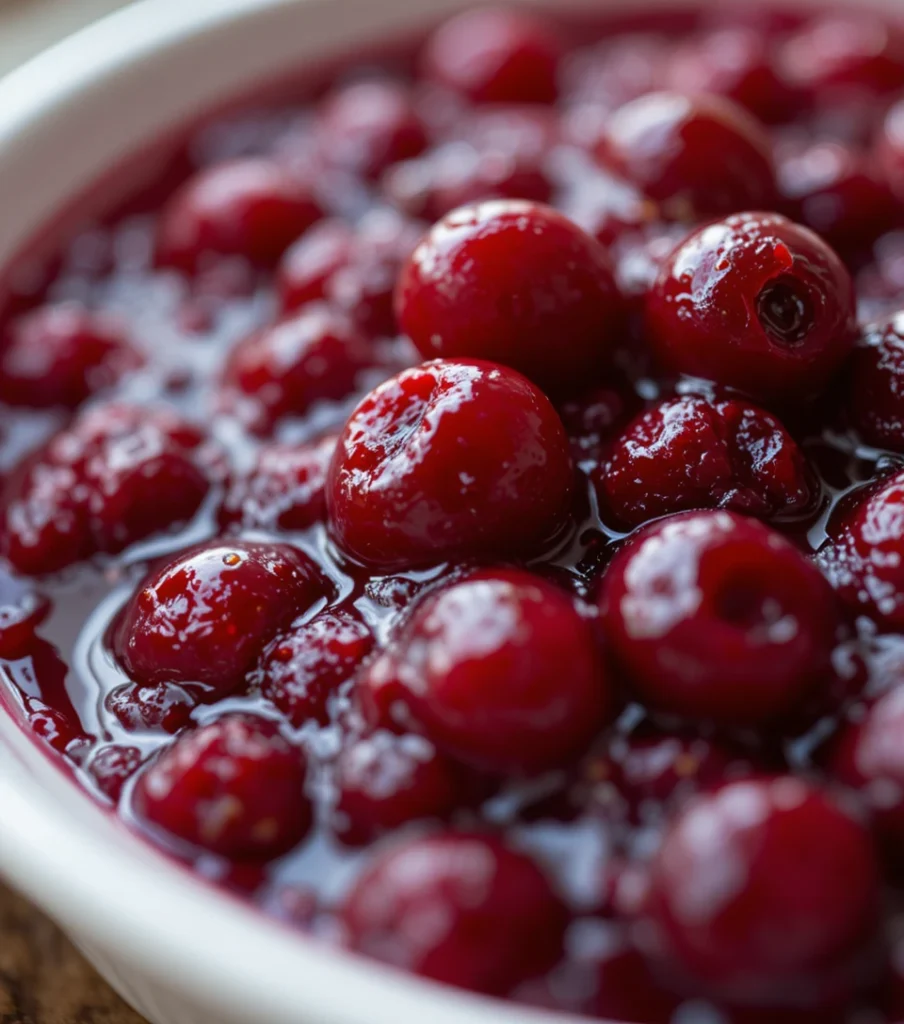
    Homemade cranberry sauce is one of those winter recipes that feels wonderfully rewarding – so simple to make, yet so full of flavour and seasonal charm. With its jewel-red colour, gentle sweetness, and tart sparkle, cranberry sauce brings brightness to even the heartiest winter dishes.

    Whether it’s served alongside a Sunday roast, spooned over festive meats, added to sandwiches, or enjoyed as part of a cosy winter grazing board, a freshly made cranberry sauce elevates everything around it. And the best part? It takes just minutes to prepare.

    Perfect for Christmas dinner, winter gatherings, or a quiet meal at home, this homemade version tastes fresh, vibrant, and beautifully seasonal.

    Ingredients (makes: 1 small bowl – approx. 6 servings)

    • 250 g fresh or frozen cranberries
    • 100 g caster sugar
    • 100 ml orange juice (fresh or bottled)
    • Zest of ½ an orange
    • Optional extras:
      • 1 cinnamon stick
      • A splash of port
      • A pinch of nutmeg
      • A few drops of vanilla extract

    Recipe

    Step 1: Combine Ingredients

    Place the cranberries, sugar, orange juice, and orange zest into a small saucepan.

    Step 2: Simmer Gently

    Heat over medium-low, stirring occasionally.
    The cranberries will begin to burst and soften – this is where the sauce develops its texture.

    Step 3: Add Spices (Optional)

    For a festive twist, add a cinnamon stick, a splash of port, or a pinch of warming spice.

    Step 4: Thicken

    Simmer for 10–12 minutes, until the sauce thickens and turns glossy.
    It will continue to thicken as it cools.

    Step 5: Cool & Serve

    Allow to cool before serving.
    Store in the fridge for up to 1 week.

    Why Homemade Cranberry Sauce Is Worth Making

    There’s a freshness to homemade cranberry sauce you just can’t get from a jar.
    It’s:

    • brighter in flavour
    • naturally tangy
    • full of real fruit texture
    • adjustable in sweetness
    • beautifully aromatic with orange and winter spices

    The deep ruby colour looks gorgeous on a winter table – a splash of festive brightness against golden roasts and cosy side dishes.

    Serving Suggestions

    Cranberry sauce is wonderfully versatile. Serve it with:

    • Roast turkey, chicken, beef, or pork
    • Festive stuffing
    • Winter veggie wellington
    • Cheese boards (lovely with brie or cheddar!)
    • Warm buttery rolls
    • Boxing Day leftover sandwiches

    It also makes a delicious addition to baked camembert, pastry tarts, or even spooned onto porridge for a festive breakfast twist.

    Variations to Try

    • Cranberry & Cinnamon: Add a cinnamon stick for warmth.
    • Cranberry & Port: Rich, grown-up flavour perfect for Christmas dinner.
    • Cranberry & Apple: Add diced apple for extra sweetness and texture.
    • Cranberry & Ginger: Fresh ginger for a little kick.
    • Cranberry & Vanilla: Softer, creamier undertones.

    Cosy Winter Atmosphere

    Making cranberry sauce fills the kitchen with winter aromas – citrus, spice, and gentle sweetness. It’s the kind of small, simple ritual that adds warmth to the season.

    Enjoy it while:

    • preparing a winter roast
    • listening to festive music
    • letting snow fall (or rain patter) outside
    • hosting loved ones
    • planning a cosy holiday meal

    It’s the little touches that make winter feel magical.

    Final Thoughts

    Homemade cranberry sauce is a winter classic – bright, festive, and incredibly easy to make. With just a handful of ingredients and a few minutes on the hob, you can create a beautiful sauce that adds colour, sparkle, and seasonal warmth to your winter meals.

    Stir, simmer, and enjoy the quiet comfort of this simple festive recipe. 

  • Roasted Root Vegetables: A Simple, Comforting Winter Side for Cold Days

    Roasted Root Vegetables: A Simple, Comforting Winter Side for Cold Days

    When winter arrives, root vegetables truly come into their own. Earthy, nourishing, and deeply satisfying, they’re the backbone of so many comforting winter meals. Roasted root vegetables are one of the simplest and most rewarding ways to enjoy them – caramelised at the edges, soft in the middle, and filled with natural sweetness brought out by slow roasting.

    Whether served alongside a Sunday roast, spooned into grain bowls, or enjoyed straight from the tray with a little salt and pepper, this is winter cooking at its most honest and comforting.

    Why Root Vegetables Are Perfect for Winter

    Root vegetables are made for colder months. Grown slowly underground, they’re hardy, filling, and full of flavour.

    Winter root vegetables include:

    • carrots
    • parsnips
    • potatoes
    • sweet potatoes
    • swede
    • beetroot
    • celeriac

    When roasted, their natural sugars caramelise, creating rich flavour with very little effort – perfect for winter’s slower rhythm.

    Ingredients

    • 2 carrots, peeled and chunked
    • 2 parsnips, peeled and chunked
    • 2 potatoes or sweet potatoes, cubed
    • ½ swede or celeriac, cubed (optional)
    • 2–3 tbsp olive oil
    • 1 tsp dried thyme or rosemary
    • Salt and black pepper

    Optional additions:

    • red onion wedges
    • whole garlic cloves
    • drizzle of honey or maple syrup
    • sprinkle of chilli flakes

    Recipe

    Step 1: Preheat the Oven

    Preheat your oven to 200°C (fan).
    Line a large roasting tray with parchment if you prefer easier cleaning.

    Step 2: Prepare the Vegetables

    Place all the chopped vegetables into the tray.
    Drizzle with olive oil and scatter over herbs, salt, and pepper.

    Step 3: Roast

    Toss everything well so the vegetables are evenly coated.
    Roast for 40–50 minutes, turning once halfway through, until golden, tender, and lightly crisp at the edges.

    Step 4: Serve

    Taste and adjust seasoning.
    Serve hot, straight from the tray or transferred to a warm serving dish.

    Winter Variations

    • Honey & Thyme: add honey for gentle sweetness
    • Garlic & Rosemary: classic and deeply comforting
    • Spiced Roots: add paprika, cumin, or cinnamon
    • Maple & Mustard: perfect with pork or sausages
    • Crispy Finish: sprinkle with Parmesan for the last 5 minutes

    Each variation keeps the same cosy winter base with a slightly different flavour.

    How to Serve Roasted Root Vegetables

    These vegetables are wonderfully versatile. Serve them with:

    They’re also lovely when enjoyed simply, with a dollop of mustard or gravy.

    Create a Cosy Winter Kitchen Moment

    Roasting root vegetables is one of those winter rituals that gently warms the home. The oven hums, the vegetables slowly caramelise, and the kitchen fills with comforting, earthy aromas.

    This is the kind of cooking that suits:

    • quiet winter afternoons
    • Sunday meal prep
    • simple family dinners
    • slow evenings when it’s cold outside

    No rush – just warmth, simplicity, and good food.

    Final Thoughts

    Roasted root vegetables are winter comfort food at its most reliable – simple ingredients, gentle flavours, and a dish that always feels nourishing and grounding. They remind us that good food doesn’t need to be complicated, especially in winter.

    Turn on the oven, roast slowly, and enjoy the warmth that follows. 

  • Salted Caramel Hot Chocolate: A Rich, Indulgent Winter Drink for Cosy Evenings

    Salted Caramel Hot Chocolate: A Rich, Indulgent Winter Drink for Cosy Evenings

    When winter evenings draw in early and the air turns cold, there’s something deeply comforting about wrapping your hands around a mug of salted caramel hot chocolate. Rich, velvety, and gently sweet with a hint of salt, this drink feels like a true winter indulgence – the kind you save for quiet nights at home, festive film evenings, or moments when you want something extra comforting.

    Salted caramel adds depth and warmth to classic hot chocolate, balancing sweetness with a subtle savoury note that makes every sip feel luxurious and satisfying. It’s winter comfort in a mug.

    Why Salted Caramel Is Perfect for Winter

    Salted caramel has a richness that suits colder months beautifully.
    It’s:

    • warm and indulgent
    • deeply comforting
    • perfect for slow evenings
    • festive without being overpowering
    • ideal for treating yourself or guests

    Paired with hot chocolate, it becomes a drink that feels special yet wonderfully familiar.

    Ingredients (serves: 2 mugs)

    • 500 ml whole milk (or oat milk for extra creaminess)
    • 2 tbsp cocoa powder or 50 g dark chocolate, chopped
    • 2 tbsp caramel sauce (shop-bought or homemade)
    • 1 tbsp sugar or honey (optional, to taste)
    • Pinch of sea salt
    • ½ tsp vanilla extract

    To serve (optional):

    • Whipped cream
    • Extra caramel drizzle
    • Chocolate shavings
    • A light sprinkle of sea salt

    Recipe

    1. Heat the Milk

    Pour the milk into a small saucepan and warm gently over a low heat. Do not boil.

    2. Add Chocolate & Caramel

    Whisk in the cocoa powder (or chopped chocolate), caramel sauce, sugar (if using), vanilla, and a pinch of sea salt until smooth and glossy.

    3. Warm & Combine

    Continue heating gently, whisking often, until the hot chocolate is rich, smooth, and steaming.

    4. Taste & Adjust

    Taste and adjust sweetness or salt if needed – the balance of sweet and salty is what makes this drink special.

    5. Serve

    Pour into mugs and top with whipped cream, a drizzle of caramel, and a tiny pinch of sea salt if desired.

    When to Enjoy Salted Caramel Hot Chocolate

    This cosy winter drink is perfect for:

    • quiet evenings by the fire
    • festive movie nights
    • snowy or frosty afternoons
    • after a winter walk
    • Christmas wrapping sessions
    • slow Sundays at home

    It’s especially lovely served in your favourite winter mug, with a blanket close by.

    Winter Variations

    • Extra Indulgent: Use double cream for half the milk
    • Dairy-Free: Use oat or almond milk
    • Spiced Caramel: Add a pinch of cinnamon or nutmeg
    • Mocha Twist: Add a shot of espresso
    • Adult Treat: Offer a splash of Baileys or salted caramel liqueur on the side

    Final Thoughts

    Salted caramel hot chocolate is winter indulgence at its finest – rich, smooth, and deeply comforting. Whether you enjoy it as a quiet treat for yourself or serve it to guests on a cold evening, it’s the kind of drink that slows the moment and makes winter feel warmer.

    Pour a mug, curl up somewhere cosy, and enjoy every sip. 

  • Chai Spiced Tea: A Warming Winter Ritual of Spice, Comfort & Calm

    Chai Spiced Tea: A Warming Winter Ritual of Spice, Comfort & Calm

    When winter days feel shorter and the air turns crisp, there’s something deeply comforting about wrapping your hands around a mug of chai spiced tea. Fragrant, gently warming, and softly spiced, chai feels like a pause in the day – a moment to slow down, breathe deeply, and enjoy the season as it unfolds.

    Rooted in tradition and loved across the world, chai is more than just a drink. It’s an experience: simmering spices on the hob, steam rising into the kitchen air, and that first sip bringing instant warmth from the inside out. In winter, it becomes a daily ritual – perfect for quiet mornings, afternoon breaks, or calm evenings at home.

    What Makes Chai So Perfect for Winter

    Chai is built around warming spices that naturally suit cold weather.
    Traditional chai spices often include:

    • Cinnamon – soft, sweet warmth
    • Ginger – comforting heat
    • Cardamom – fragrant and soothing
    • Cloves – deep, rich spice
    • Black tea – grounding and gently energising

    Together, they create a drink that feels cosy without being heavy – aromatic, calming, and beautifully seasonal.

    Homemade Chai Spiced Tea Recipe

    Ingredients (serves: 2 mugs)

    • 500 ml water
    • 2 black tea bags (or 2 tsp loose black tea)
    • 1 cinnamon stick
    • 4 green cardamom pods, lightly crushed
    • 4 cloves
    • 1 tsp freshly grated ginger (or ½ tsp ground ginger)
    • 200 ml milk (or plant milk of choice)
    • Honey, maple syrup, or sugar to taste

    Recipe

    Step 1: Simmer the Spices

    Add the water, cinnamon, cardamom, cloves, and ginger to a small saucepan.
    Bring to a gentle simmer and let it bubble softly for 8–10 minutes, allowing the spices to infuse.

    Step 2: Add the Tea

    Add the black tea and simmer for a further 2–3 minutes, depending on how strong you like it.

    Step 3: Add Milk & Sweeten

    Pour in the milk and gently warm through – don’t boil.
    Sweeten to taste.

    Step 4: Strain & Serve

    Strain into mugs and enjoy warm, preferably somewhere cosy.

    When to Enjoy Chai Spiced Tea

    Chai fits beautifully into so many winter moments:

    • Quiet mornings before the day begins
    • After a cold walk outdoors
    • During journalling or reading time
    • As an afternoon alternative to coffee
    • In the evening with soft lighting and a blanket
    • While baking, crafting, or wrapping gifts

    Its gentle spice feels grounding and reassuring – perfect for winter rhythms.

    Winter Chai Variations

    • Vanilla Chai: Add a splash of vanilla extract for softness
    • Orange Chai: Add a strip of orange peel while simmering
    • Extra Spiced: Add nutmeg or star anise
    • Caffeine-Free: Use rooibos instead of black tea
    • Creamy Chai: Use oat or almond milk for a richer feel

    Each version keeps the soul of chai while adapting to your mood.

    Final Thoughts

    Chai spiced tea is winter in a mug – fragrant, comforting, and full of gentle warmth. Whether you enjoy it as part of a daily ritual or save it for slow, special moments, it has a way of making winter feel softer and more welcoming.

    Simmer the spices, pour the tea, and take a quiet moment for yourself.

  • Winter Nature & Wildlife Spotting: Quiet Moments, Seasonal Magic & the Wildlife You Can See This Time of Year

    Winter Nature & Wildlife Spotting: Quiet Moments, Seasonal Magic & the Wildlife You Can See This Time of Year

    Winter may feel still and silent on the surface, but look closely and the natural world is filled with quiet activity. Frost-tipped branches, soft morning light, the hush of a cold breeze moving through bare trees – these are the backdrops of a season rich with subtle beauty and surprising wildlife encounters.

    Whether you’re walking through woodland, wandering along country paths, or simply watching from your garden window, winter offers a peaceful opportunity to notice the creatures who thrive in the colder months.

    Here are some of the wonderful animals, birds, and wild moments you can spot in winter – along with cosy, calming inspiration for enjoying the season outdoors.

    Winter Birds to Watch For

    Even when the trees stand bare, winter skies are busy with birds searching for food and shelter. You may spot:

    Robins

    Their bright red breasts stand out beautifully against winter landscapes. Robins are famously bold and often hop close to walkers.

    Blue Tits & Great Tits

    Lively and colourful, they are regulars at garden feeders.

    Blackbirds & Thrushes

    Often found rummaging for berries and windfall fruit.

    Geese Flying in Formation

    Many geese migrate through the UK in winter – watching their V-shaped formation sweep across a frosty sky is breathtaking.

    Owls at Dusk

    Short-eared owls and tawny owls become easier to spot on quiet winter evenings.

    Tip: Put out seeds, fat balls, and fresh water to welcome winter birds into your garden.

    Winter Wildlife to Look For

    Winter also brings out mammals who become easier to spot when foliage isn’t as thick:

    Foxes

    With their thick winter coats, foxes are striking against frosty fields. Dawn and dusk are their most active times.

    Squirrels

    Busy collecting food and leaping through bare trees, they’re full of character and easy to see.

    Hedgehogs (on mild days)

    Most will be hibernating, but during warmer winter spells they occasionally emerge for a snack.

    Deer

    Often found grazing in woodland clearings, especially in the early morning mist.

    Rabbits & Hares

    Become more visible as winter vegetation thins.

    Winter Nature Moments to Enjoy

    The little things are often the most magical:

    • The crunch of frost underfoot on early morning walks
    • Sunlight glowing through haze on cold afternoons
    • Icicles forming along fence posts and branches
    • Berries dotting bare hedgerows with bright winter colour
    • Mist rolling across fields at sunrise
    • Moss glowing vivid green against muted winter tones
    • Tiny tracks in the mud or snow – clues of wildlife passing through

    Even the quiet feels alive in winter.

    How to Enjoy Wildlife Spotting in Winter

    Winter nature walks don’t need to be long or elaborate – even a few mindful minutes outdoors can bring calm and connection.

    1. Wrap Up Warm

    A scarf, gloves, thick coat, and comfortable boots make winter wandering much more enjoyable.

    2. Slow Your Pace

    Move quietly and steadily – wildlife is much easier to spot when you take your time.

    3. Bring a Notebook or Camera

    Sketch, write, or photograph your favourite winter sightings.

    4. Choose Dawn or Dusk

    The golden, low light makes wildlife more active and more visible.

    5. Visit Woodlands, Nature Reserves, Riversides, or Open Parks

    Different habitats offer different winter sightings.

    Enjoying Winter Wildlife from Home

    Even if you prefer staying indoors, you can still enjoy winter nature:

    • Keep a bird feeder near a window.
    • Add a bird bath with unfrozen water on frosty mornings.
    • Place logs, leaves, or brushes in a quiet corner of the garden to shelter small creatures.
    • Sit by the window with tea and watch the world unfold in slow winter light.

    There’s something lovely about staying cosy inside while the natural world quietly continues outside.

    Final Thoughts

    Winter nature is gentle, subtle, and full of quiet wonder. While the world may feel still, wildlife continues with its seasonal rhythms – birds foraging, foxes exploring, deer moving through frosty woodland, and tiny tracks appearing overnight.

    A winter walk or a simple moment looking out the window can bring a surprising sense of peace.
    It reminds us that even in the coldest season, there is life, beauty, and connection everywhere.

    So wrap up warm, step outside, and let winter reveal its quiet, enchanting world to you. 

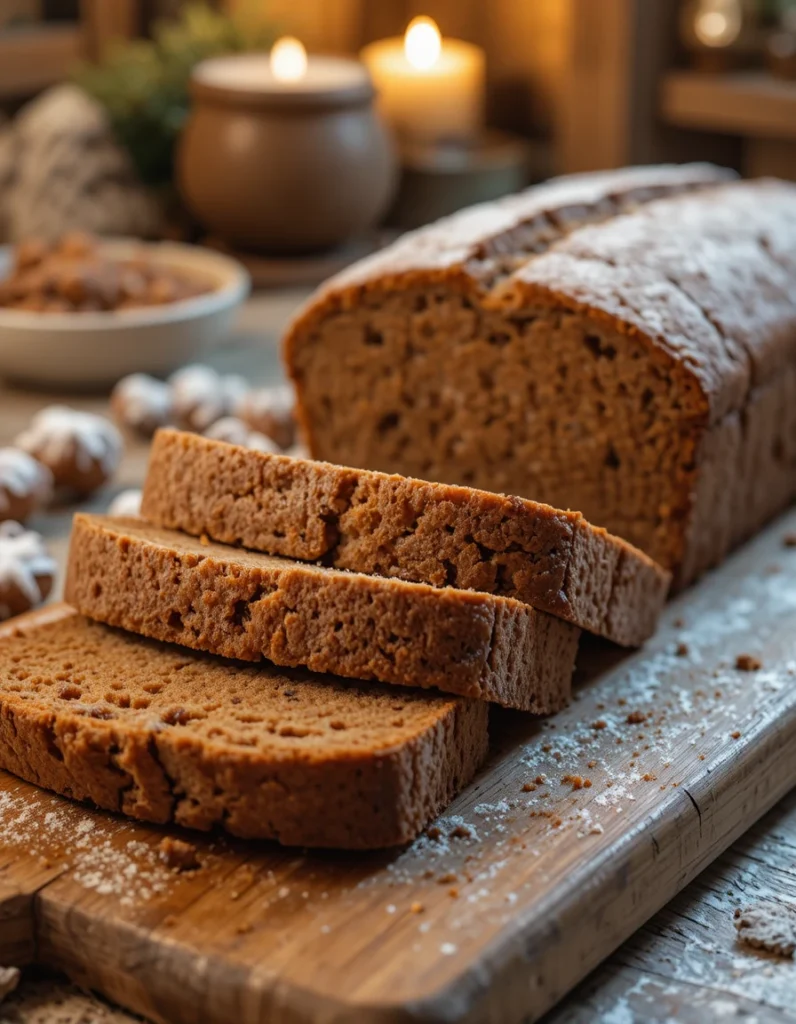
  • Gingerbread Loaf Cake: A Soft, Spiced Winter Bake Filled with Cosy Flavours

    Gingerbread Loaf Cake: A Soft, Spiced Winter Bake Filled with Cosy Flavours

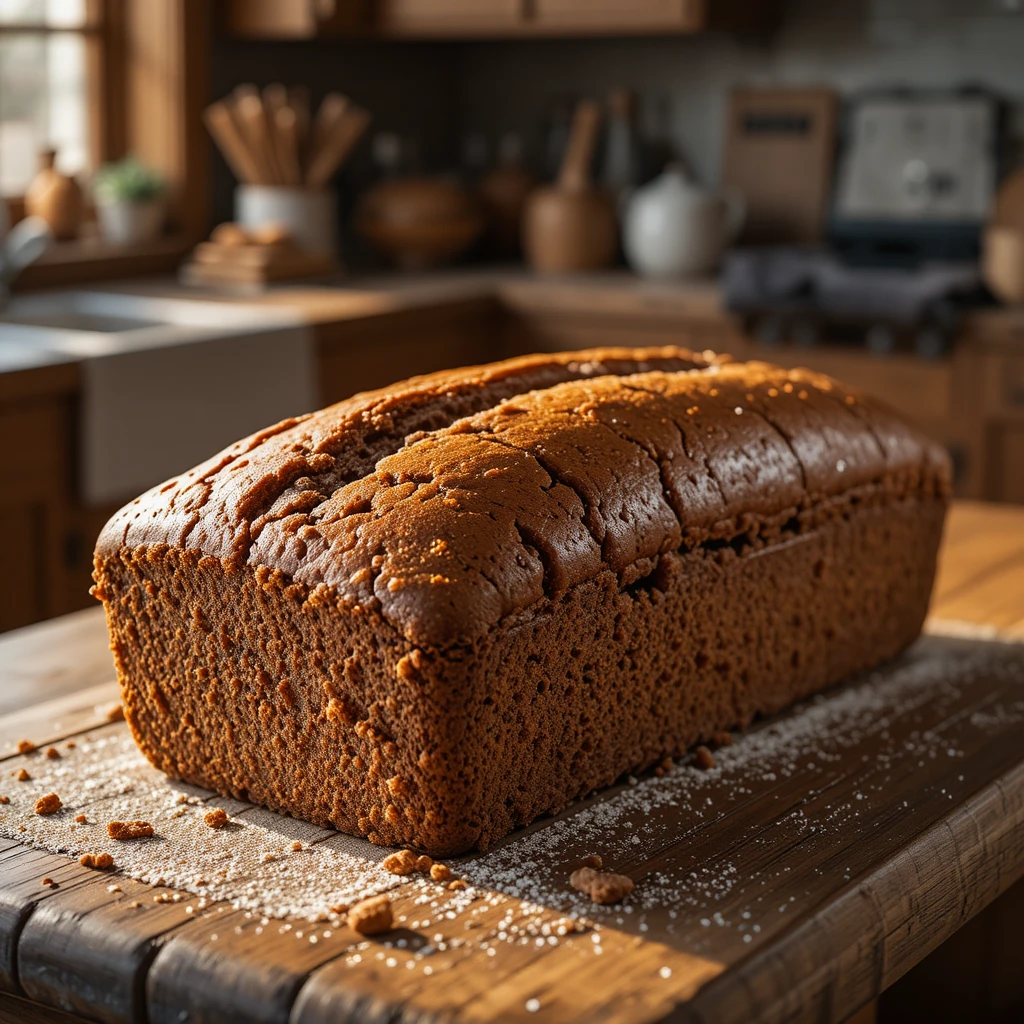
    Winter baking has a special kind of magic – the warmth of the oven, the scent of spices drifting through the kitchen, and the comforting feeling of slicing into a soft, fragrant loaf. A gingerbread loaf cake captures everything we love about the season: sweetness, nostalgia, and that irresistible blend of ginger, cinnamon, and cloves.

    Perfect for cold afternoons, weekend baking sessions, or sharing with friends over a warm drink, this loaf is wonderfully simple yet completely full of winter charm.

    Ingredients (Makes: 1 loaf)

    • 200 g plain flour
    • 1 tsp baking powder
    • 1 tsp ground ginger
    • 1 tsp cinnamon
    • ¼ tsp ground cloves
    • ¼ tsp nutmeg
    • Pinch of salt
    • 100 g butter
    • 100 g dark brown sugar
    • 150 g golden syrup
    • 1 egg
    • 150 ml milk

    Optional topping:

    • Drizzle of icing
    • Candied ginger pieces
    • Dusting of icing sugar

    Method

    Step 1: Preheat & Prepare

    Preheat your oven to 160°C (fan) and line a loaf tin with baking paper.

    Step 2: Melt the Wet Ingredients

    In a small saucepan, melt the butter, brown sugar, and golden syrup over low heat.
    Stir until smooth, then set aside to cool slightly.

    Step 3: Mix the Dry Ingredients

    In a large bowl, whisk together the flour, baking powder, ginger, cinnamon, cloves, nutmeg, and salt.

    Step 4: Combine Everything

    Pour the warm syrup mixture into the dry ingredients and mix gently.
    Add the egg and milk, stirring until smooth and glossy.

    Step 5: Bake

    Pour into your prepared loaf tin and bake for 40–50 minutes, or until risen, golden, and springy to the touch.
    Cool in the tin for 10 minutes before transferring to a wire rack.

    Step 6: Finishing Touches

    Top with icing, candied ginger, or leave simple and classic – the flavour speaks for itself.

    Why Gingerbread Is Perfect for Winter

    Gingerbread has a nostalgic warmth that suits the season beautifully.
    It’s:

    • Soft and comforting
    • Richly spiced
    • Perfect with hot drinks
    • Long-lasting (even better the next day!)
    • A lovely homemade gift

    It fills the home with a scent that feels instantly festive and homely.

    Serving Suggestions

    Enjoy slices of gingerbread loaf:

    • Warm with butter
    • With a mug of tea or mulled apple juice
    • As part of a festive brunch
    • With cream cheese frosting for extra indulgence
    • Wrapped beautifully as a winter gift for neighbours or friends

    It’s also a lovely treat to add to a winter dessert board.

    Tips & Variations

    • Make it richer: Add 2 tbsp black treacle for deeper flavour.
    • Add texture: Stir in chopped nuts or raisins.
    • Extra spice: Increase ginger for a stronger kick.
    • Gluten-free option: Substitute with GF flour and adjust liquid as needed.
    • Frosted version: Add a cream cheese glaze for a bakery-style finish.

    Final Thoughts

    A gingerbread loaf cake is winter baking at its simplest and most comforting. With warm spices, a soft crumb, and a rich golden aroma, it brings instant cosiness to cold afternoons.

    Bake it slowly on a quiet day, slice it generously, and enjoy the peaceful winter moments that follow – a steaming mug in one hand, a soft piece of gingerbread in the other.