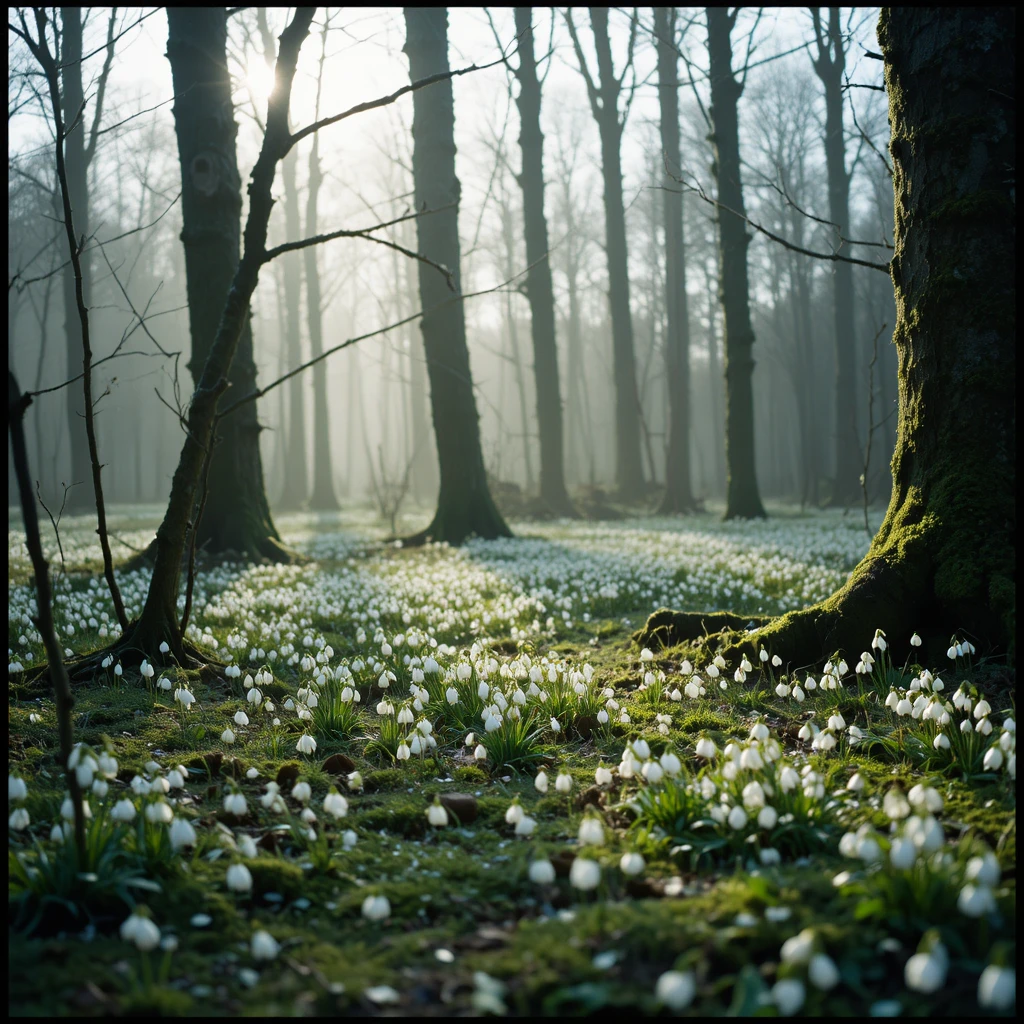
Spring doesn’t arrive all at once.
It arrives quietly – in hedgerows, along winding footpaths, beneath old stone walls and beside wooden farm gates. It shows itself in small bursts of colour against soft green fields.
Countryside flower spotting isn’t about rushing to see everything in bloom. It’s about slowing down enough to notice what’s already there.
A single snowdrop by a fence post.
A drift of daffodils beside a country lane.
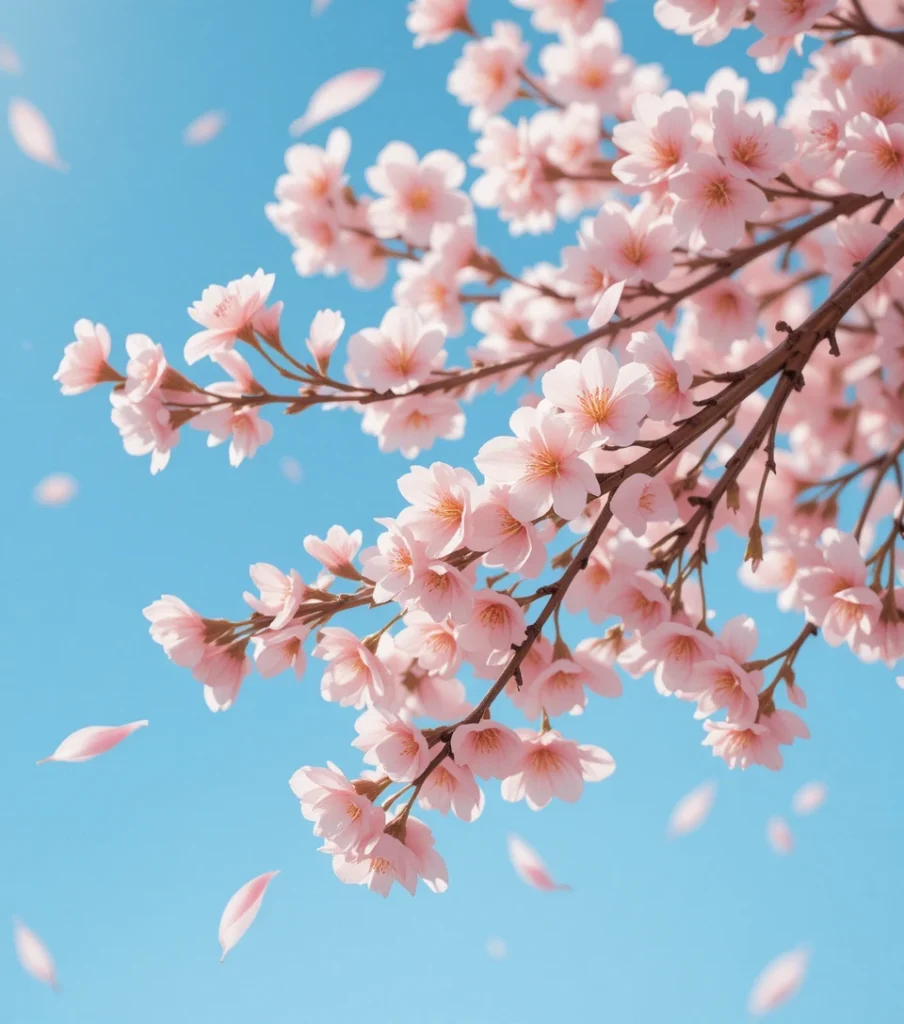
Blossom catching the light against a pale blue sky.
It’s an invitation to walk gently, look closely, and romanticise the ordinary.
Why Flower Spotting Feels So Special in Spring
After the stillness of winter, the first flowers feel almost miraculous.
There’s something grounding about witnessing the countryside wake up — especially in quiet rural places where the landscape moves at its own pace.
Spring flower spotting allows you to:
- Reconnect with nature after colder months
- Practice mindfulness without forcing it
- Add intention to your countryside walks
- Notice seasonal shifts in real time
- Create small rituals around slow living
It turns an ordinary walk into something softly meaningful.
Early Spring Flowers to Look For
Here are some of the first countryside blooms you may spot on your spring walks:
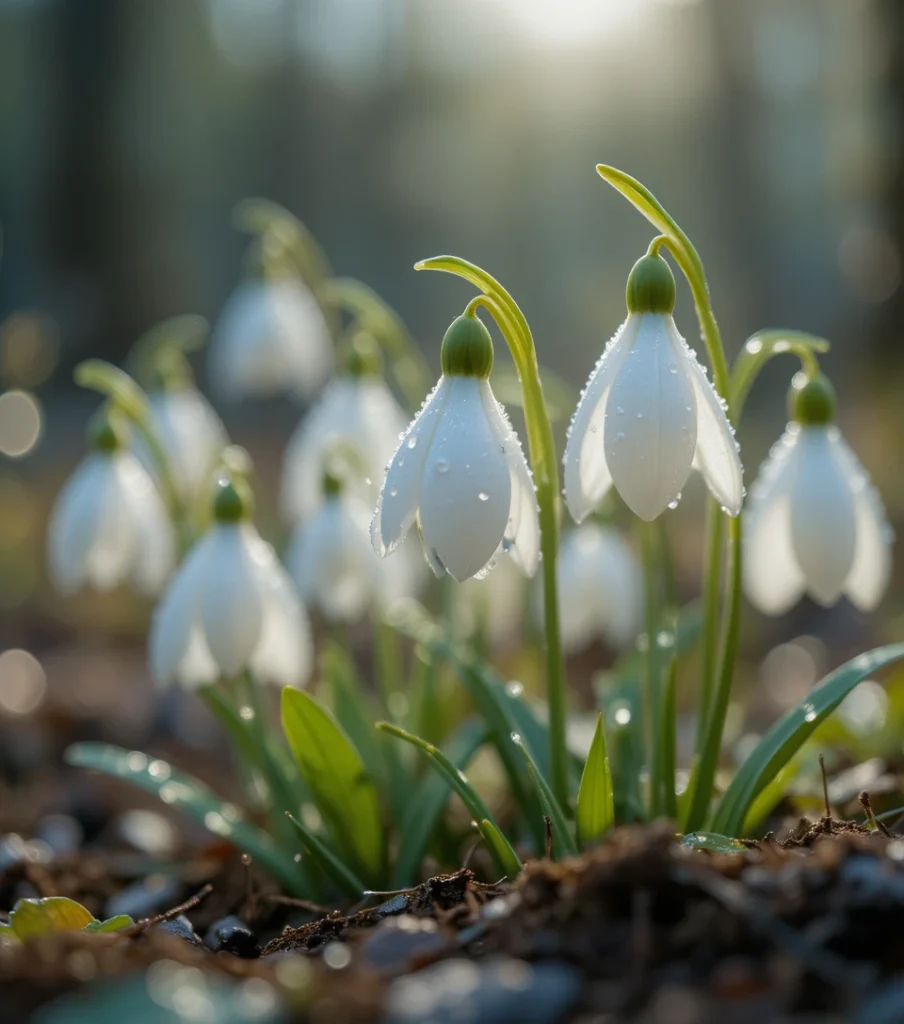
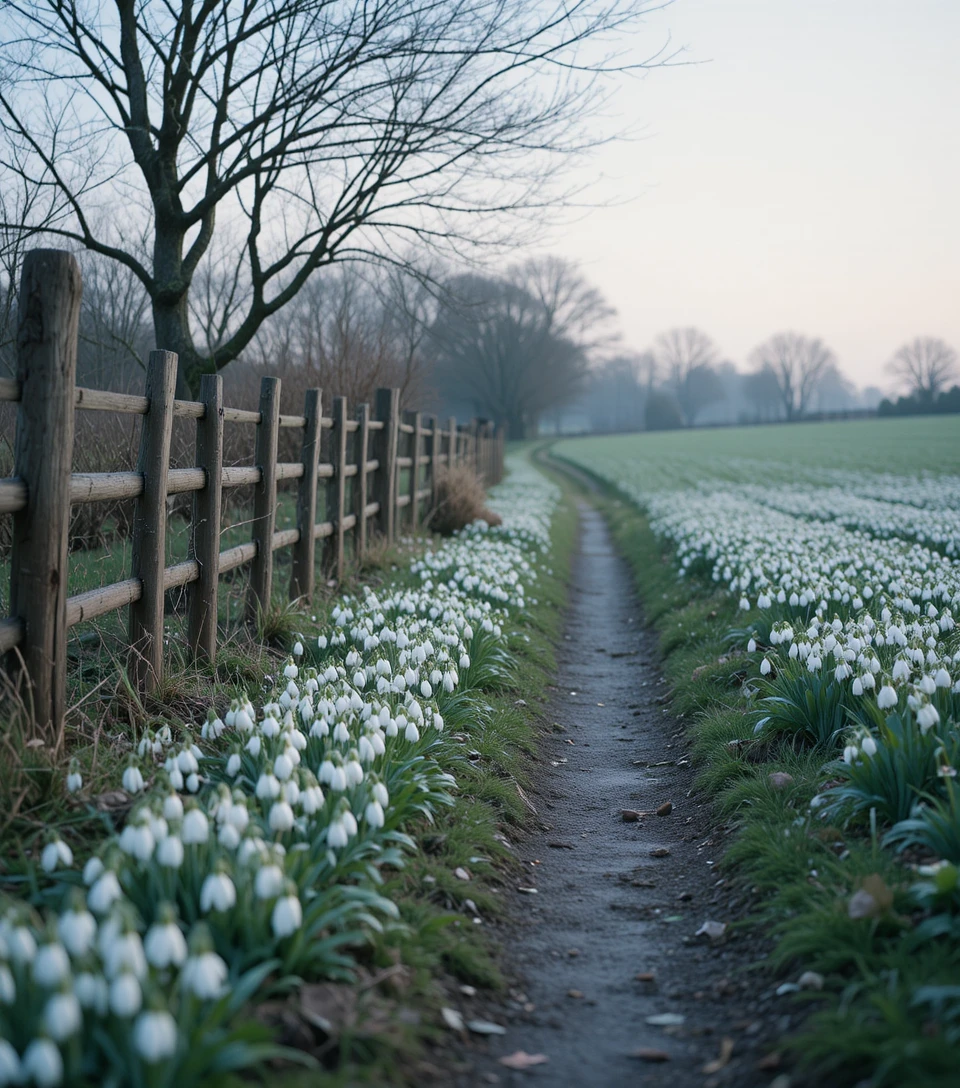
Snowdrop
Often the very first sign that winter is loosening its grip. Snowdrops appear in delicate clusters, usually beneath trees or along hedgerows. Their white petals feel almost fragile against the cold air – quiet but hopeful.
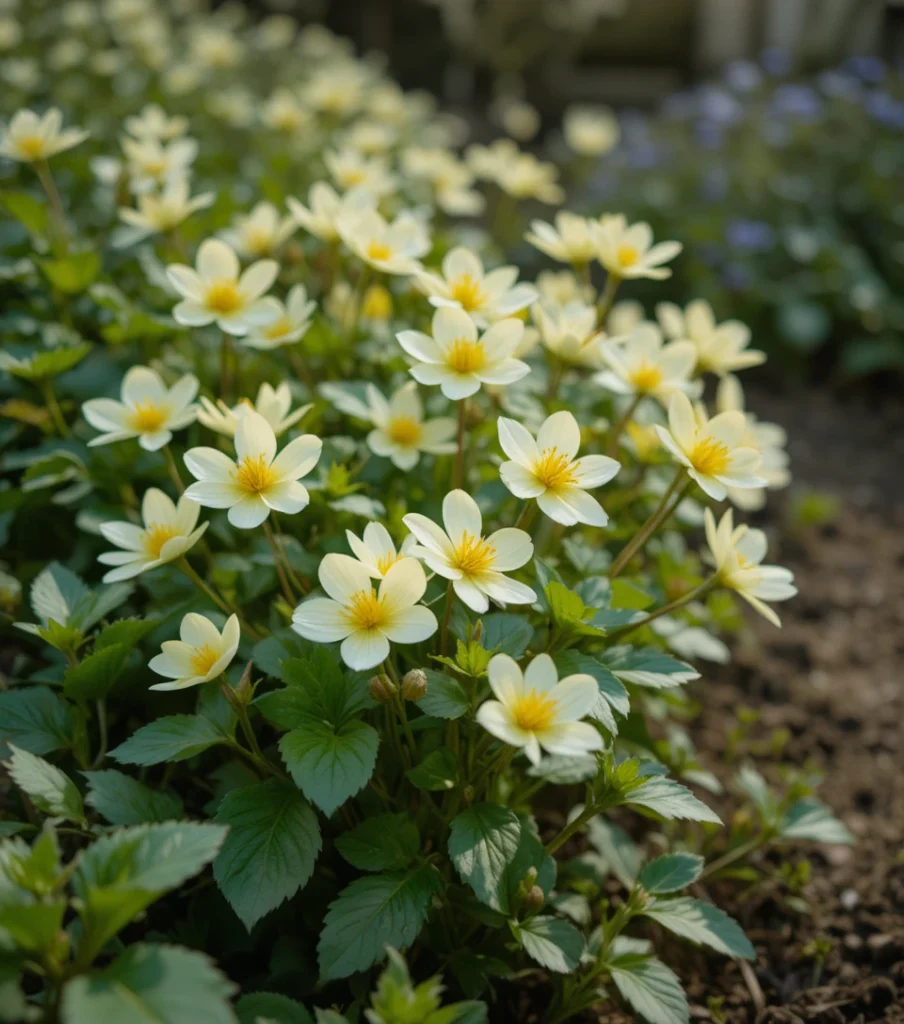
Primrose
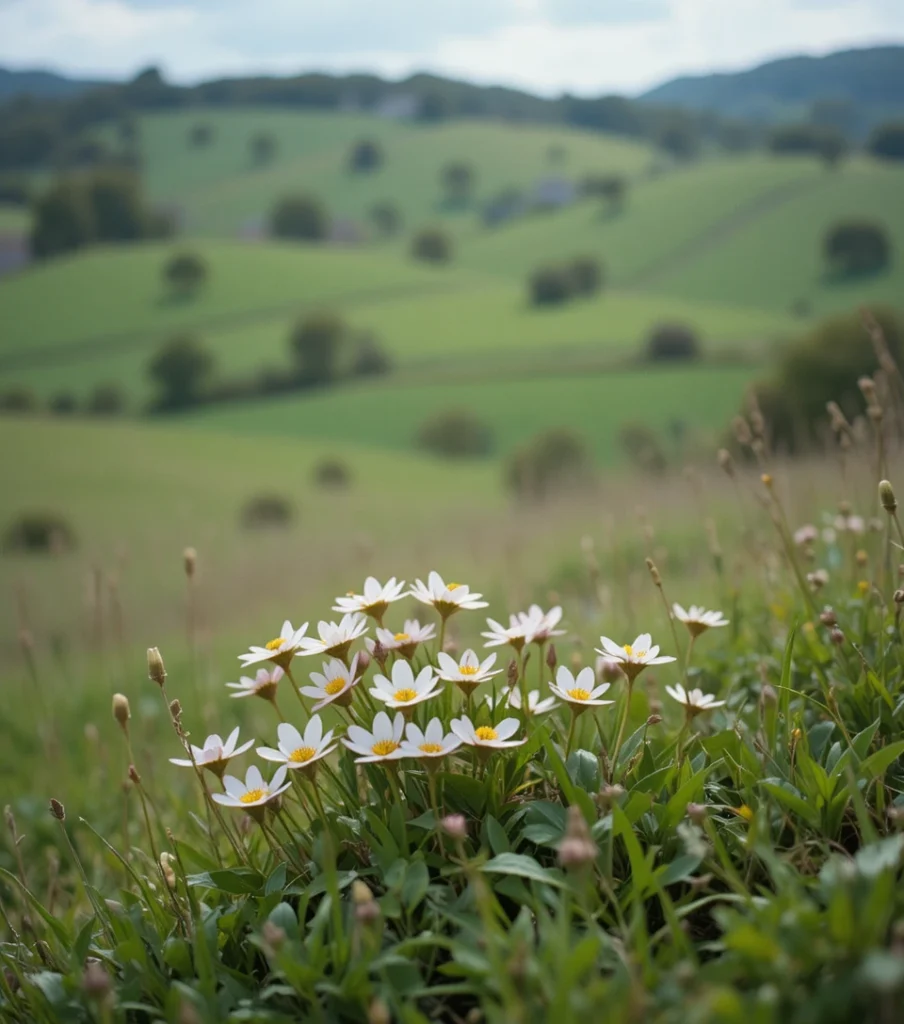
Soft yellow and low to the ground, primroses often nestle into banks and woodland edges. They don’t demand attention – they reward it.
Daffodil
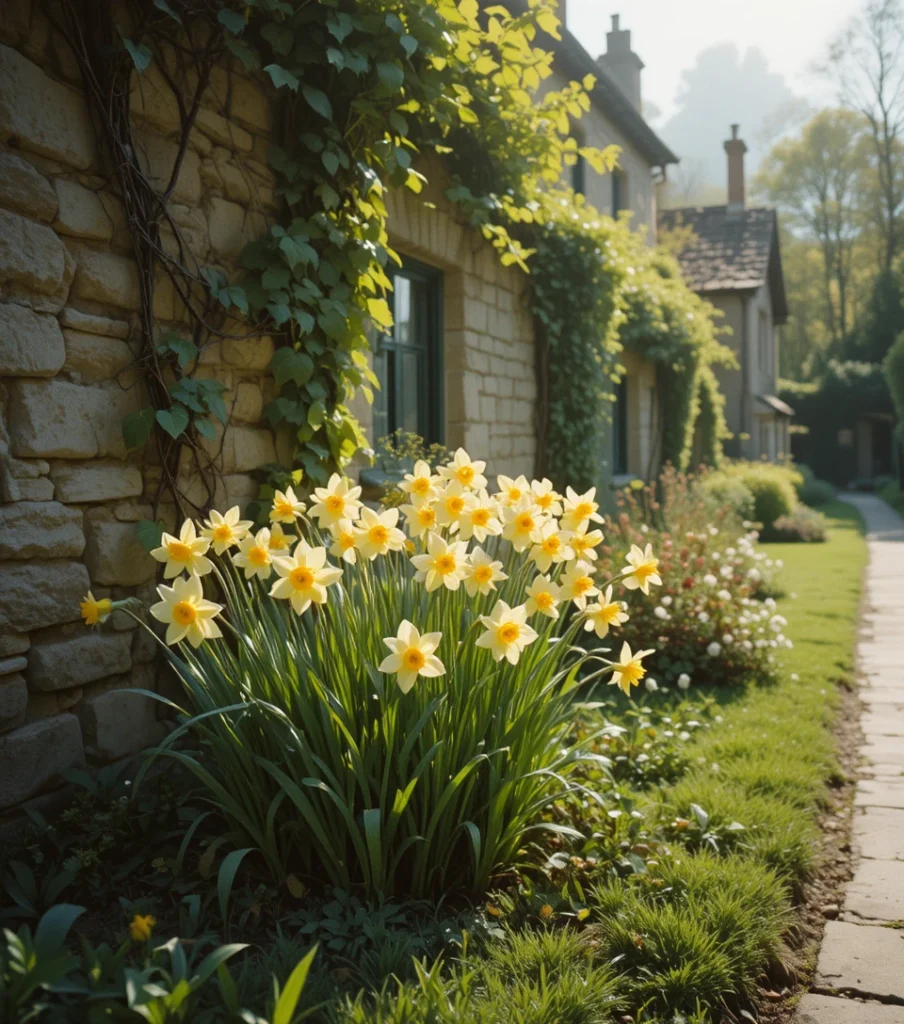
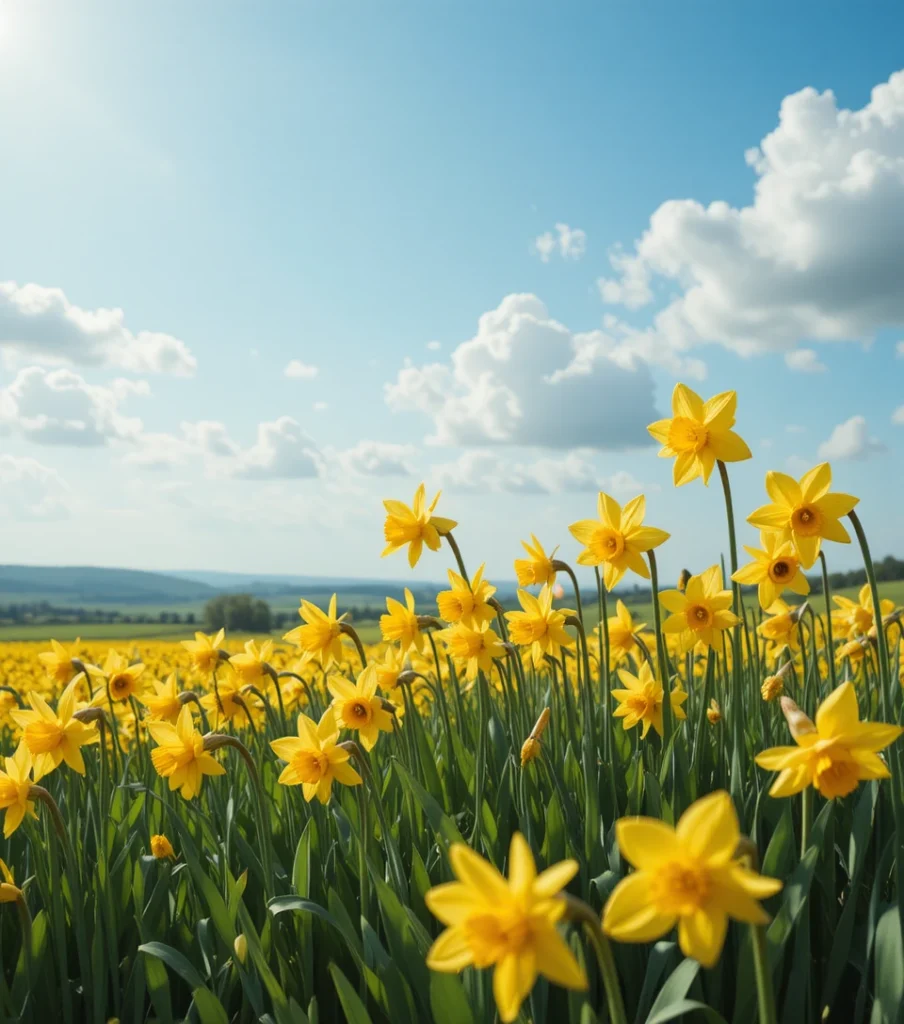
The unmistakable symbol of British spring. Whether scattered through fields or lining village roads, daffodils bring brightness and a sense of celebration.
Cherry blossom
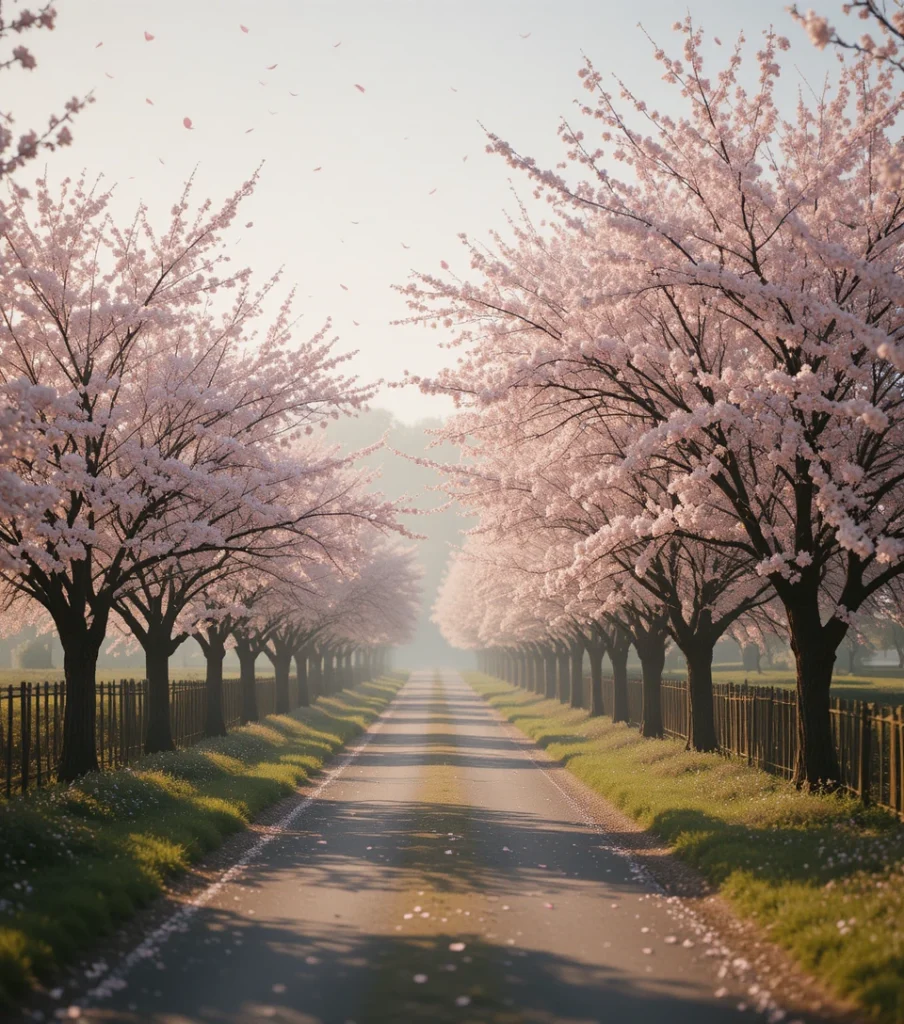
Blossom feels fleeting – which makes it even more special. A country lane dusted with petals can transform an everyday walk into something cinematic.
How to Turn a Walk Into a Flower Spotting Ritual
Instead of simply walking for steps, try walking with intention.
You might:
- Choose a quiet footpath or bridleway
- Leave your headphones at home
- Notice colours before shapes
- Photograph only what truly catches your eye
- Keep a small notebook to record what you see
You could even create a seasonal “flower log” – noting the first snowdrop you spotted, the day the blossom arrived, or when the fields turned from muted brown to green.
Over time, you’ll begin to recognise patterns. Spring will feel less like a sudden change and more like a gentle unfolding.
Bringing Countryside Flowers Into Your Home (Gently)
If you choose to bring flowers home, do so thoughtfully.
Never pick from protected areas. Instead, consider:
- Fallen blossom petals
- A small garden cutting
- Pressing flowers from your own space
- Sketching what you see rather than picking it
Sometimes the most romantic thing is simply leaving them where they grow.
Romanticising the Small Details
Countryside flower spotting isn’t about dramatic landscapes.
It’s about:
- Sunlight hitting petals
- Bees hovering quietly
- Muddy boots and fresh air
- A wooden gate opening into fields
- That soft shift in the air that says, something is changing
Spring rarely announces itself loudly in the countryside. It reveals itself slowly, bloom by bloom.
And when you begin to notice those details, your walks feel different.
Softer.
Slower.
More intentional.
A Gentle Spring Invitation
This season, instead of chasing productivity or grand plans, consider chasing small signs of life instead.
Notice what’s blooming.
Notice what’s returning.
Notice what’s quietly growing.
The countryside doesn’t rush – and neither should you.
Let your spring walks be simple. Let them be light. Let them feel like a conversation between you and the land.
And perhaps, like the flowers themselves, you’ll find yourself blooming quietly too.
Leave a Reply