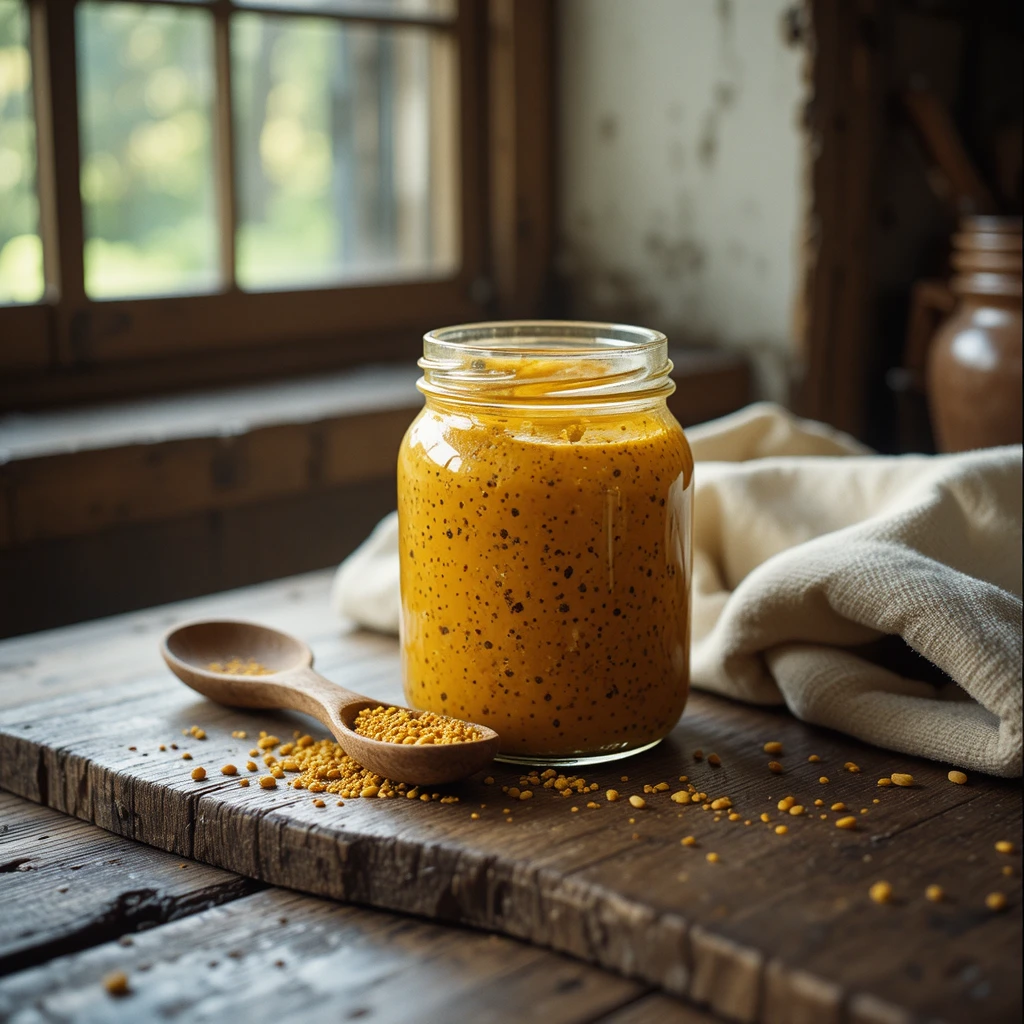
Spring cooking often focuses on freshness.
Tender greens, light proteins, new potatoes, and herb-filled salads begin to take centre stage. And with these lighter meals comes a need for something gently sharp – something that brightens rather than overpowers. Homemade mustard does exactly that.
It’s simple to make, quietly impressive, and endlessly versatile. Grainy, golden, and softly spiced, it brings life to spring dishes without overwhelming them.
There is something deeply satisfying about whisking together seeds and vinegar and watching them transform into a condiment that will sit proudly on your table for weeks. Simple ingredients. Thoughtfully combined.
Why Mustard Feels Right for Spring
Mustard adds:
- Gentle heat
- Subtle acidity
- Depth without heaviness
- Balance to creamy or rich dishes
In spring, when meals become lighter, mustard acts as a bright finishing touch.
It pairs beautifully with:
- Salmon
- Roast chicken
- Quiche
- Buttered new potatoes
- Grain salads
- Sandwiches
- Salad dressings
It feels clean, sharp, and seasonal.
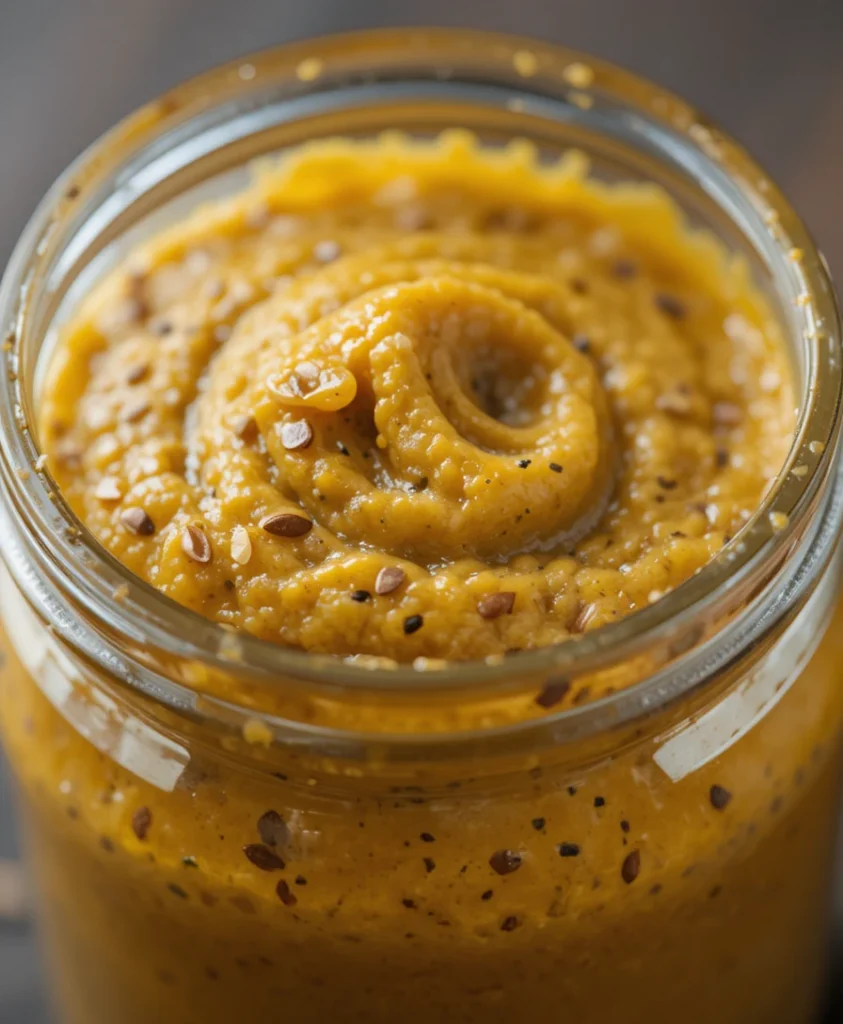
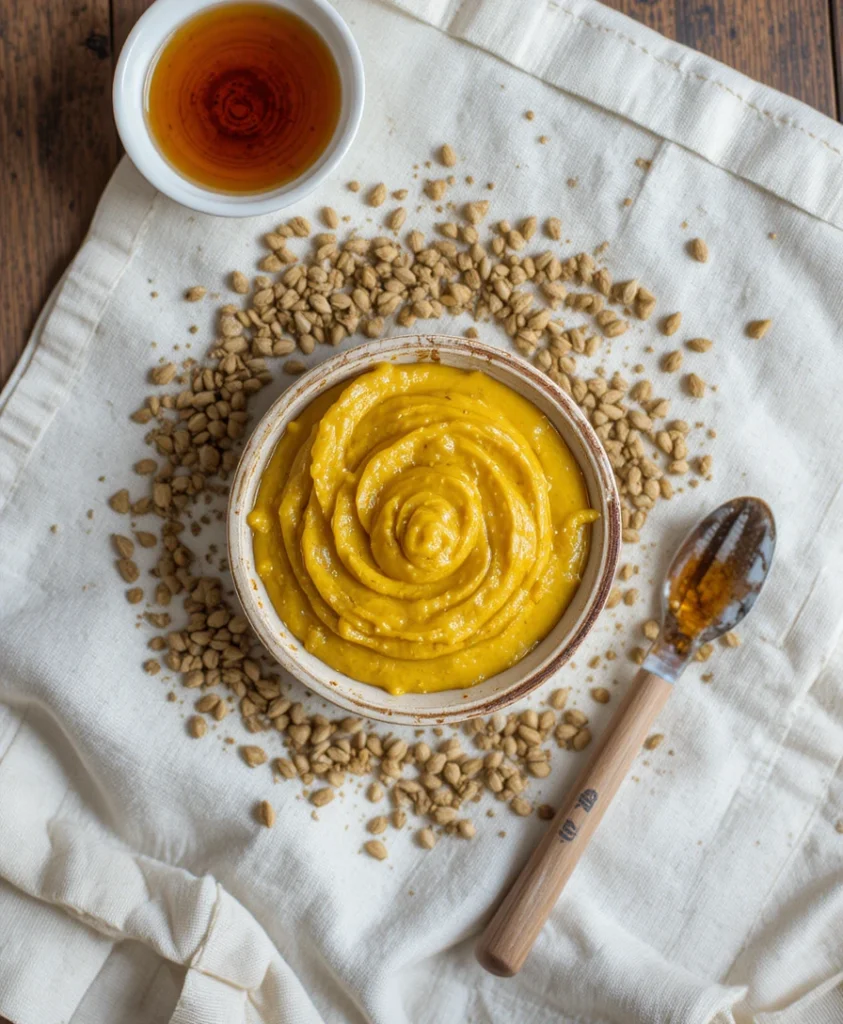
Homemade Wholegrain Mustard Recipe (makes: 1 small jar)
Prep time: 10 minutes
Resting time: 24–48 hours
Ingredients
- 50g yellow mustard seeds
- 25g brown mustard seeds
- 100ml apple cider vinegar
- 50ml water
- 1 teaspoon honey
- ½ teaspoon sea salt
- 1 tablespoon olive oil
Optional additions:
- Pinch of turmeric (for colour)
- Fresh thyme leaves
- A small squeeze of lemon juice
Recipe
Step 1: Soak the seeds
In a small bowl, combine the mustard seeds, vinegar, and water.
Cover and leave to soak for 24 hours at room temperature. The seeds will soften and absorb the liquid.
Step 2: Blend gently
Transfer the soaked mixture to a food processor or blender. Pulse briefly – leaving some seeds whole for texture.
You can blend more for a smoother finish or less for a rustic wholegrain style.
Step 3: Finish the flavour
Stir in:
- Honey
- Sea salt
- Olive oil
Taste and adjust with a little extra vinegar or honey if needed.
Step 4: Jar & rest
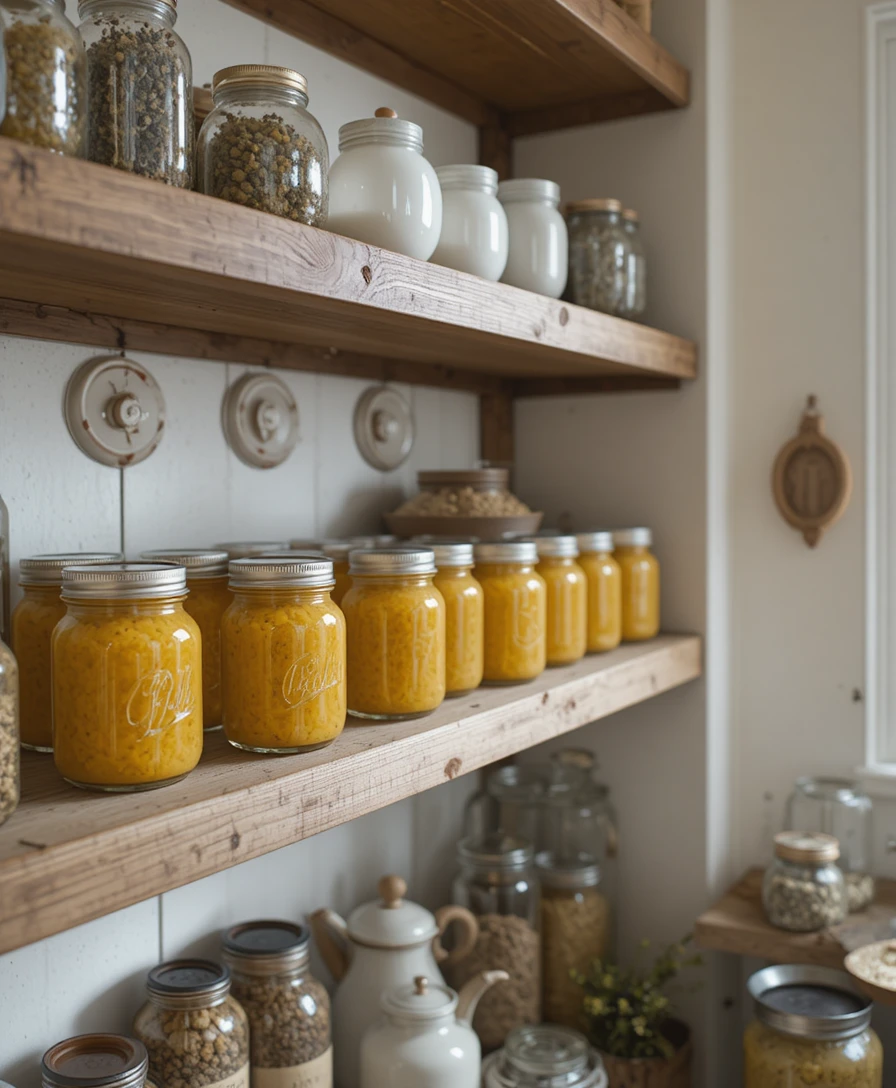
Spoon into a sterilised jar and refrigerate. The flavour will mellow and deepen after 2–3 days.
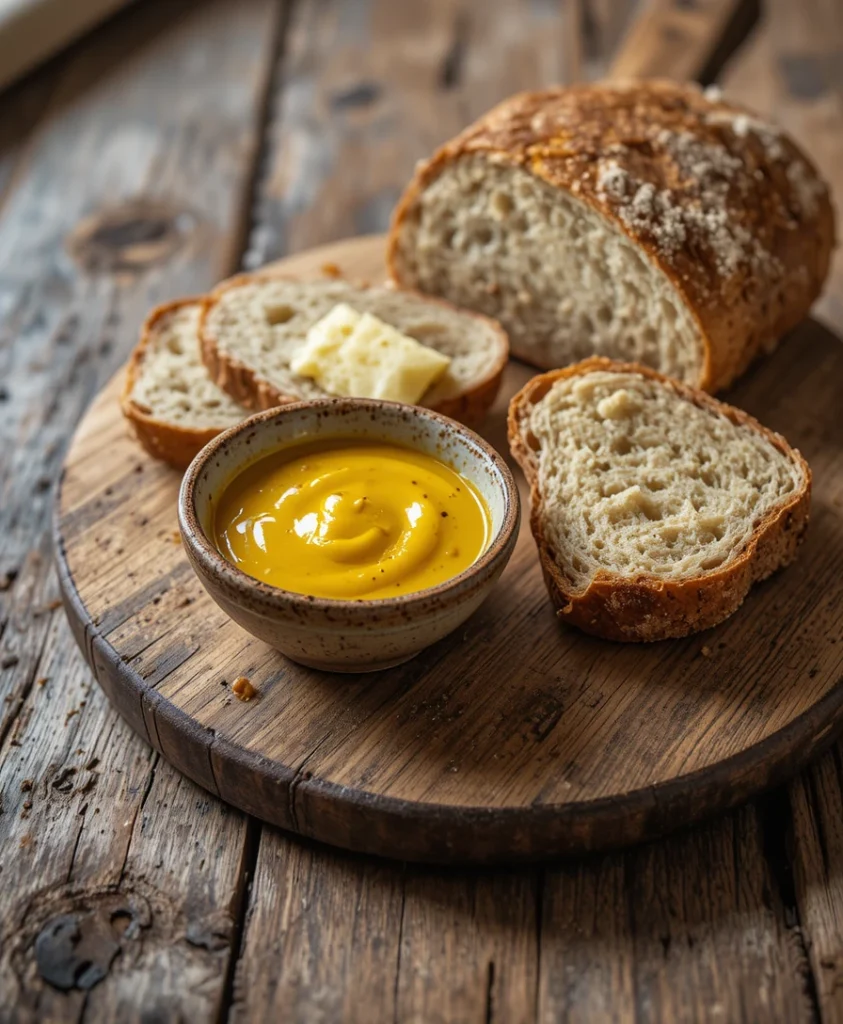
How to Serve Homemade Mustard in Spring
Mustard elevates simple meals.
Use it:
- Spread lightly in salmon sandwiches
- Stirred into potato salad
- Whisked into lemon vinaigrette
- Served beside asparagus quiche
- Brushed over roast chicken
- Added to warm grain salad dressing
- Paired with cheese and crusty bread
It brings brightness and balance. A spoonful can transform an entire plate.
How to Use Leftovers
Homemade mustard keeps in the fridge for up to 1 month.
Here are a few gentle ideas:
- Spring Dressing
- Sandwich Spread
- Potato Glaze
- Cheese Board Addition
Gentle Spring Variations
To keep your mustard aligned with the season, you could:
- Add fresh thyme
- Stir through chopped dill
- Use white wine vinegar for a lighter flavour
- Add crushed pink peppercorns
- Infuse with a small splash of elderflower vinegar
Spring condiments should feel bright and clean, not heavy.
A Soft Spring Table Detail
There is something quietly elegant about homemade condiments. A small glass jar. A handwritten label. A wooden spoon resting beside it.
Mustard may seem simple, but it reflects care. It shows thought. It completes a meal in a subtle way. Spring cooking often celebrates freshness – and mustard supports that beautifully. Sharp enough to lift. Gentle enough to balance. A small jar of brightness for the season.
Leave a Reply